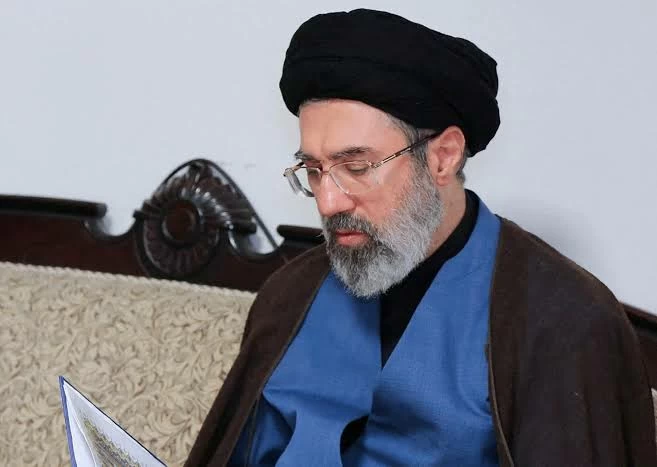
أعلن الرئيس الإيراني مسعود بزشكيان أن جميع القرارات تُتخذ وفق توجيهات المرشد مجتبى خامنئي، مؤكداً أن مستوى التواصل معه ازداد خلال الفترة الأخيرة.
وقال خلال كلمة في مراسم اليوم الوطني لتكريم الصناعة والتعدين، (الثلاثاء)، إن خامنئي شدد في اجتماعات خاصة على ضرورة إنهاء حالة «لا حرب ولا سلم»، مضيفاً أن موقف طهران في المفاوضات استند إلى إعادة فتح مضيق هرمز أمام صادرات النفط ومعالجة القضايا الحيوية الأخرى، قبل أن يتهم الولايات المتحدة بعدم الالتزام بتعهداتها.
وجدد الرئيس الإيراني الاتهامات لأمريكا بشن «حرب شاملة» بهدف خلق ضغوط داخلية والتسبب في انهيار اجتماعي، قائلاً إن «استهداف البنية التحتية كان يهدف إلى إضعاف البلاد، إلا أن الانسجام الداخلي وصمود المنتجين والصناعيين حالا دون تحقيق تلك الأهداف»، وفق قوله.
وزعم بزشكيان أن الإخفاق في تحقيق أهداف الحرب دفع الأمريكيين إلى تغيير النهج والاتجاه نحو الحوار، منتقداً بعض التصريحات الصادرة من الداخل بشأن المفاوضات، واعتبر أنها تقلل من المنجزات التي حققتها بلاده، داعياً إلى «عدم التقليل من جهود فريق التفاوض عبر تعليقات غير مدروسة».
وتزامنت تصريحات الرئيس الإيراني مع استمرار الضربات العسكرية داخل إيران، إذ أفاد التلفزيون الإيراني بتعرض نقطة في المناطق الجبلية بمدينة خرم آباد، بمحافظة لرستان غربي البلاد، لهجوم جديد.
في غضون ذلك، بدأ وزير الداخلية الإيراني إسكندر مؤمني زيارة إلى إسلام آباد، التي تؤدي دور الوسيط بين واشنطن وطهران، حيث التقى هناك قائد الجيش الباكستاني عاصم منير.
وحسب مصادر مطلعة، فإن الجانبين بحثا التمهيد لجولة مفاوضات جديدة بين أمريكا وإيران، وأكدت المصادر أن باكستان تحاول الدفع باتجاه استئناف المفاوضات بين واشنطن وطهران.
وكان المتحدث باسم الخارجية الإيرانية إسماعيل بقائي، قال في مؤتمر صحفي (الإثنين) إن الاتصالات الدبلوماسية مع الولايات المتحدة عبر وسطاء ما زالت متواصلة، رغم الضربات العسكرية الأمريكية على البلاد.
The Iranian President Masoud Bezhakian announced that all decisions are made according to the directives of the Supreme Leader Mojtaba Khamenei, emphasizing that the level of communication with him has increased in recent times.
He stated during a speech at the National Day ceremony honoring industry and mining, (Tuesday), that Khamenei stressed in private meetings the necessity of ending the state of "neither war nor peace," adding that Tehran's position in the negotiations was based on reopening the Strait of Hormuz to oil exports and addressing other vital issues, before accusing the United States of failing to fulfill its commitments.
The Iranian president renewed accusations against America of waging a "comprehensive war" aimed at creating internal pressures and causing social collapse, saying that "targeting infrastructure was intended to weaken the country, but internal harmony and the resilience of producers and industrialists prevented those goals from being achieved," according to his statement.
Bezhakian claimed that the failure to achieve the objectives of the war pushed the Americans to change their approach and move towards dialogue, criticizing some statements issued from within regarding the negotiations, considering that they undermine the achievements his country has made, calling for "not to underestimate the efforts of the negotiating team through thoughtless comments."
The Iranian president's statements coincided with the continuation of military strikes inside Iran, as Iranian television reported a new attack on a point in the mountainous areas of Khorramabad, in Lorestan province in the west of the country.
Meanwhile, Iranian Interior Minister Iskandar Moameni began a visit to Islamabad, which plays the role of mediator between Washington and Tehran, where he met with the Pakistani army chief Asim Munir.
According to informed sources, the two sides discussed preparations for a new round of negotiations between the U.S. and Iran, and the sources confirmed that Pakistan is trying to push for the resumption of negotiations between Washington and Tehran.
The spokesperson for the Iranian Foreign Ministry, Ismail Baqai, stated in a press conference (Monday) that diplomatic communications with the United States through intermediaries are still ongoing, despite the American military strikes on the country.