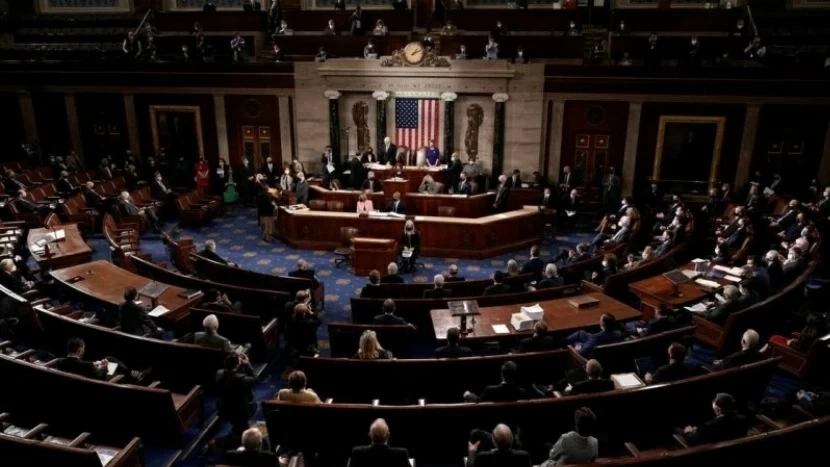
كشف أعضاء في مجلس الشيوخ الأمريكي نسخة معدلة من مشروع قانون العقوبات على روسيا، تتضمن تخفيفاً للرسوم الجمركية المقترحة على الدول المستوردة للنفط والغاز الروسيين، وفي مقدمتها الصين والهند، مع الإبقاء على ضغوط اقتصادية واسعة تستهدف موسكو وقطاع الطاقة الروسي، بحسب ما أفادت به وكالة رويترز.
ويحظى مشروع القانون بدعم من أعضاء جمهوريين وديمقراطيين، ويهدف إلى فرض عقوبات إضافية على مسؤولين روس، إلى جانب استخدام الرسوم الجمركية كوسيلة للضغط على الدول التي تعتمد بشكل كبير على صادرات الطاقة الروسية، من أجل تقليص هذا الاعتماد.
وتأتي النسخة الجديدة بعد تعديلات أُدخلت على المشروع الأصلي الذي قُدم في أبريل 2025، حيث خُفِّض الحد الأقصى للرسوم الجمركية على أكبر خمسة مستوردين للنفط والغاز الروسيين إلى 100%، بدلاً من المقترح السابق الذي كان ينص على فرض رسوم موحدة تصل إلى 500% على جميع المشترين.
كما يتضمن المشروع استثناءً للدول التي تستورد أقل من 15% من صادرات الغاز الطبيعي الروسي، شريطة أن تتخذ خطوات ملموسة لتقليص تلك الواردات، وهو ما قد يشمل دولاً مثل اليابان وفرنسا وبلجيكا والمجر.
وبحسب مساعدين في مجلس الشيوخ، فإن أكبر مستوردي النفط الخام الروسي هم الصين والهند وسلوفاكيا والمجر وأذربيجان، بينما تضم قائمة أكبر مستوردي الغاز الروسي الصين وفرنسا واليابان والمجر وبلجيكا.
ولا يقتصر مشروع القانون على الرسوم الجمركية، بل يشمل أيضاً فرض عقوبات على ما يُعرف بـ«أسطول الظل» الروسي من ناقلات النفط، الذي يعمل خارج منظومة الخدمات البحرية الغربية، إضافة إلى استهداف مؤسسات مالية روسية، من بينها البنك المركزي الروسي، ومشاريع الطاقة الحكومية الكبرى، مثل يامال للغاز الطبيعي المسال ومشاريع القطب الشمالي للغاز الطبيعي المسال (Arctic LNG).
وتمنح الصيغة المعدلة الرئيس الأمريكي دونالد ترمب صلاحية تعليق تطبيق العقوبات إذا رأى أن ذلك يخدم المصالح القومية للولايات المتحدة.
وأكد مساعدون في مجلس الشيوخ أن التعديلات جاءت بعد أشهر من المفاوضات مع الإدارة الأمريكية لضمان توافق سياسي واسع، مشيرين إلى أن المشروع بصيغته الحالية يحظى بدعم يسمح بتمريره ويُعد الخيار الأكثر واقعية لمواصلة الضغط على روسيا.
من جانبه، قال الرئيس دونالد ترمب إن المشروع قد يتوسع ليشمل عقوبات على إيران وجماعة حزب الله، واصفاً هذه الخطوة بأنها ستكون «كبيرة للغاية» إذا أُقرت، إلا أن السيناتور الديمقراطي ريتشارد بلومنثال دعا إلى عدم توسيع نطاق المشروع في الوقت الحالي، مؤكداً أن الأولوية يجب أن تكون لإقرار الصيغة الحالية دون إدخال أهداف جديدة قد تعرقل تمريرها.
وأشار أحد مساعدي مجلس الشيوخ إلى أن نص المشروع يتضمن بالفعل أحكاماً تسمح بفرض عقوبات ورسوم على دول، من بينها إيران، إذا ثبت تعاونها مع القاعدة الصناعية الدفاعية الروسية.
وأعرب ترمب عن ثقته بإقرار مشروع القانون، معتبراً أنه يمثل إرثاً سياسياً للسيناتور الجمهوري ليندسي غراهام، الذي كان من أبرز الداعمين لتشديد العقوبات على روسيا، وقال إن فرص تحوله إلى قانون «كبيرة».
Members of the U.S. Senate revealed a modified version of the sanctions bill against Russia, which includes a reduction in the proposed tariffs on countries importing Russian oil and gas, primarily China and India, while maintaining broad economic pressures targeting Moscow and the Russian energy sector, according to Reuters.
The bill has the support of both Republican and Democratic members and aims to impose additional sanctions on Russian officials, alongside using tariffs as a means to pressure countries that heavily rely on Russian energy exports to reduce this dependency.
The new version comes after amendments were made to the original proposal submitted in April 2025, where the maximum tariff on the top five importers of Russian oil and gas was reduced to 100%, instead of the previous proposal that called for a uniform tariff of up to 500% on all buyers.
The bill also includes an exemption for countries that import less than 15% of Russian natural gas exports, provided they take concrete steps to reduce those imports, which may include countries like Japan, France, Belgium, and Hungary.
According to Senate aides, the largest importers of Russian crude oil are China, India, Slovakia, Hungary, and Azerbaijan, while the list of the largest importers of Russian gas includes China, France, Japan, Hungary, and Belgium.
The bill is not limited to tariffs; it also includes imposing sanctions on what is known as the Russian "shadow fleet" of oil tankers, which operates outside the Western maritime services framework, in addition to targeting Russian financial institutions, including the Central Bank of Russia, and major state energy projects, such as Yamal LNG and Arctic LNG projects.
The modified version grants President Donald Trump the authority to suspend the application of sanctions if he believes it serves the national interests of the United States.
Senate aides confirmed that the amendments came after months of negotiations with the U.S. administration to ensure broad political consensus, noting that the bill in its current form has support that allows it to pass and is considered the most realistic option to continue applying pressure on Russia.
For his part, President Donald Trump stated that the bill could expand to include sanctions on Iran and the Hezbollah group, describing this step as "very significant" if approved. However, Democratic Senator Richard Blumenthal urged against expanding the scope of the bill at this time, emphasizing that the priority should be to pass the current version without introducing new targets that could hinder its passage.
One Senate aide pointed out that the text of the bill already includes provisions allowing for sanctions and tariffs on countries, including Iran, if it is proven that they cooperate with the Russian defense industrial base.
Trump expressed confidence in the passage of the bill, considering it a political legacy for Republican Senator Lindsey Graham, who has been one of the most prominent supporters of tightening sanctions on Russia, stating that the chances of it becoming law are "high."