شددت الحكومة اليابانية، على ضرورة تعزيز جهودها لمكافحة أنشطة الاستخبارات الأجنبية على أراضيها. وقال كبير أمناء مجلس الوزراء الياباني مينورو كيهارا، إن طوكيو تدرك أنه «في ظل البيئة الأمنية سريعة التغير، تتزايد الحاجة إلى التصدي لأنشطة الاستخبارات الأجنبية، بما في ذلك محاولات الحصول على معلومات حيوية تهدد الأمن القومي».
الحصول على التكنولوجيا المتقدمة
وأضاف خلال مؤتمر صحفي، اليوم (الإثنين)، أن اليابان ستتعامل مع هذه القضية بقدر أكبر من الصرامة.
وكشف تحقيق لصحيفة نيويورك تايمز أن روسيا نجحت رغم العقوبات التي فرضت عليها بعد غزو أوكرانيا عام 2022، في تحويل اليابان إلى إحدى أهم محطات الحصول على التكنولوجيا المتقدمة اللازمة لاستمرار صناعاتها العسكرية، مستفيدة من ثغرات قانونية وشبكات تهريب معقدة تعمل تحت غطاء دبلوماسي وتجاري.
وذكرت أن طوكيو أصبحت وجهة رئيسية لعشرات ضباط الاستخبارات الروسية الذين طردوا من العواصم الغربية خلال السنوات الأخيرة، بعدما ضيقت أوروبا والولايات المتحدة الخناق على عمليات شراء المكونات الإلكترونية والرقائق الدقيقة والمعدات المستخدمة في تصنيع الأسلحة.
وحدة سرية تابعة للاستخبارات الروسية
وبحسب مسؤولين استخباراتيين غربيين، فإن العنصر المحوري في هذه العمليات هو وحدة سرية تابعة للاستخبارات العسكرية الروسية تعرف باسم «المديرية العشرون»، وهي وحدة لم يكشف عنها علنا من قبل، وتتولى شراء أو سرقة التكنولوجيا الحساسة وتهريبها إلى روسيا عبر شبكات من الشركات والوسطاء.
ووفق التحقيق، فإن هذه الوحدة تعمل من داخل مكتب شركة الطيران الروسية إيروفلوت في طوكيو، حيث يدير الضابط الروسي مكسيم فلاديميروفيتش فيلتشينكوف -الذي يعمل تحت غطاء موظف في الشركة- عمليات تأمين المعدات التي تحتاجها الصناعات العسكرية الروسية.
وحسب تقديرات الحكومة الأوكرانية، فإن نحو 90% من الصواريخ والمسيّرات الروسية تحتوي على مكونات يابانية، وهو ما يعكس أهمية التكنولوجيا اليابانية بالنسبة للمجمع الصناعي العسكري الروسي، خصوصا بعد تشديد العقوبات الغربية.
دور شركات شحن تربط اليابان
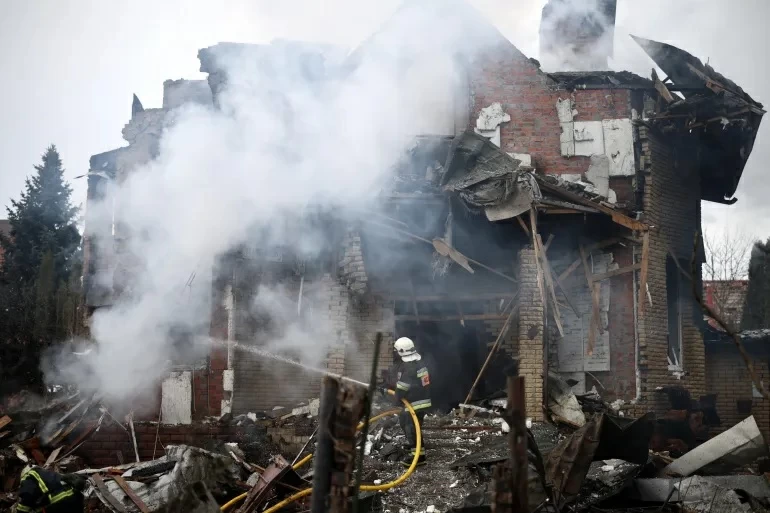
واستشهدت الصحيفة بصاروخ روسي من طراز كيه إتش-101 أصاب مبنى سكنيا في كييف في مايو الماضي، حيث عثر المحققون الأوكرانيون بين الحطام على مكونات إلكترونية يابانية يحظر تصديرها إلى روسيا.
وشرحت أن روسيا لا تعتمد على الشحن المباشر من اليابان، وإنما تستخدم دولا وسيطة لإعادة تصدير المنتجات. ويبرز في هذا السياق دور شركات شحن تربط اليابان بدول مثل سريلانكا وأوزبكستان وفيتنام، قبل أن تنتقل البضائع إلى روسيا.
وكشفت الصحيفة أن أوكرانيا أرسلت خلال عام 2025 سلسلة من المذكرات الدبلوماسية إلى وزارة الخارجية اليابانية، تضمنت صورا وقوائم بمكونات يابانية عثر عليها داخل الصواريخ والمسيّرات الروسية، من بينها منتجات لشركات كبرى مثل باناسونيك وتوشيبا وإن إي سي.
ومن بين هذه الشركات شركة بروكو إير، التي تقدم نفسها باعتبارها جسرا بين اليابان وروسيا. ويقول مالكها الياباني تاكيهيكو ميكي إنه يتعامل مع فيلتشينكوف منذ سنوات، نافيا علمه بأي ارتباط له بالاستخبارات الروسية أو مشاركته في نقل بضائع محظورة.
ومنع وصول التكنولوجيا الحساسة لموسكو
وأشارت إلى وثائق شحن اطلع عليها الصحفيون أظهرت وجود تعاملات مع شركة آر-فارم الروسية، التي لا تخضع للعقوبات، بينما يخضع مؤسسها أليكسي ريبيك لعقوبات بريطانية وكندية وأسترالية بسبب علاقاته الوثيقة بالرئيس الروسي فلاديمير بوتين ودعمه للمجهود الحربي الروسي.
وأكد معدو التحقيق أن السلطات اليابانية لم توجه أي اتهامات إلى الشركة أو مالكها، كما لم تتخذ إجراءات ضد الضابط الروسي، رغم التحذيرات المتكررة التي تلقتها من حلفائها.
وأعرب مسؤولون غربيون وأوكرانيون عن استيائهم من بطء الإجراءات اليابانية في مواجهة شبكات الالتفاف على العقوبات ومنع وصول التكنولوجيا الحساسة إلى موسكو.
وأكدت تلك الشركات التزامها الكامل بالعقوبات اليابانية، مشددة على أنها لا تبيع منتجاتها إلى روسيا، وأن المكونات وصلت إليها عبر إعادة التصدير من دول ثالثة.
The Japanese government emphasized the necessity of enhancing its efforts to combat foreign intelligence activities on its territory. Chief Cabinet Secretary Minoru Kihara stated that Tokyo recognizes that "in the rapidly changing security environment, there is an increasing need to counter foreign intelligence activities, including attempts to obtain vital information that threatens national security."
Acquisition of Advanced Technology
He added during a press conference today (Monday) that Japan will address this issue with greater rigor.
A New York Times investigation revealed that despite the sanctions imposed on Russia following its invasion of Ukraine in 2022, Russia has successfully turned Japan into one of the key hubs for acquiring the advanced technology necessary to sustain its military industries, taking advantage of legal loopholes and complex smuggling networks operating under diplomatic and commercial cover.
It noted that Tokyo has become a primary destination for dozens of Russian intelligence officers expelled from Western capitals in recent years, after Europe and the United States tightened the noose on the purchase of electronic components, microchips, and equipment used in weapon manufacturing.
A Secret Unit of Russian Intelligence
According to Western intelligence officials, the pivotal element in these operations is a secret unit of the Russian military intelligence known as the "Twenty-First Directorate," a unit that has not been publicly disclosed before, which is responsible for purchasing or stealing sensitive technology and smuggling it to Russia through networks of companies and intermediaries.
According to the investigation, this unit operates from within the office of the Russian airline Aeroflot in Tokyo, where Russian officer Maxim Vladimirovich Velichenkov—who works under the cover of an employee at the company—manages the procurement of equipment needed by Russian military industries.
Estimates from the Ukrainian government suggest that about 90% of Russian missiles and drones contain Japanese components, reflecting the importance of Japanese technology to the Russian military-industrial complex, especially after the tightening of Western sanctions.
The Role of Shipping Companies Connecting Japan
The newspaper cited a Russian KH-101 missile that struck a residential building in Kyiv last May, where Ukrainian investigators found Japanese electronic components among the debris that are prohibited from being exported to Russia.
It explained that Russia does not rely on direct shipping from Japan but uses intermediary countries to re-export the products. In this context, the role of shipping companies connecting Japan with countries like Sri Lanka, Uzbekistan, and Vietnam is highlighted before the goods are transferred to Russia.
The newspaper revealed that Ukraine sent a series of diplomatic notes to the Japanese Foreign Ministry during 2025, which included photos and lists of Japanese components found inside Russian missiles and drones, including products from major companies like Panasonic, Toshiba, and NEC.
Among these companies is Proco Air, which presents itself as a bridge between Japan and Russia. Its Japanese owner, Takehiko Miki, claims he has been dealing with Velichenkov for years, denying any knowledge of his connection to Russian intelligence or his involvement in the transfer of prohibited goods.
Preventing Sensitive Technology from Reaching Moscow
It pointed to shipping documents reviewed by journalists that showed transactions with the Russian company R-Farm, which is not subject to sanctions, while its founder Alexey Rebek is under British, Canadian, and Australian sanctions due to his close ties to Russian President Vladimir Putin and his support for the Russian war effort.
The investigators confirmed that Japanese authorities have not filed any charges against the company or its owner, nor have they taken action against the Russian officer, despite the repeated warnings received from their allies.
Western and Ukrainian officials expressed their frustration with the slow Japanese procedures in confronting networks circumventing sanctions and preventing sensitive technology from reaching Moscow.
These companies affirmed their full compliance with Japanese sanctions, stressing that they do not sell their products to Russia, and that the components reached them through re-export from third countries.