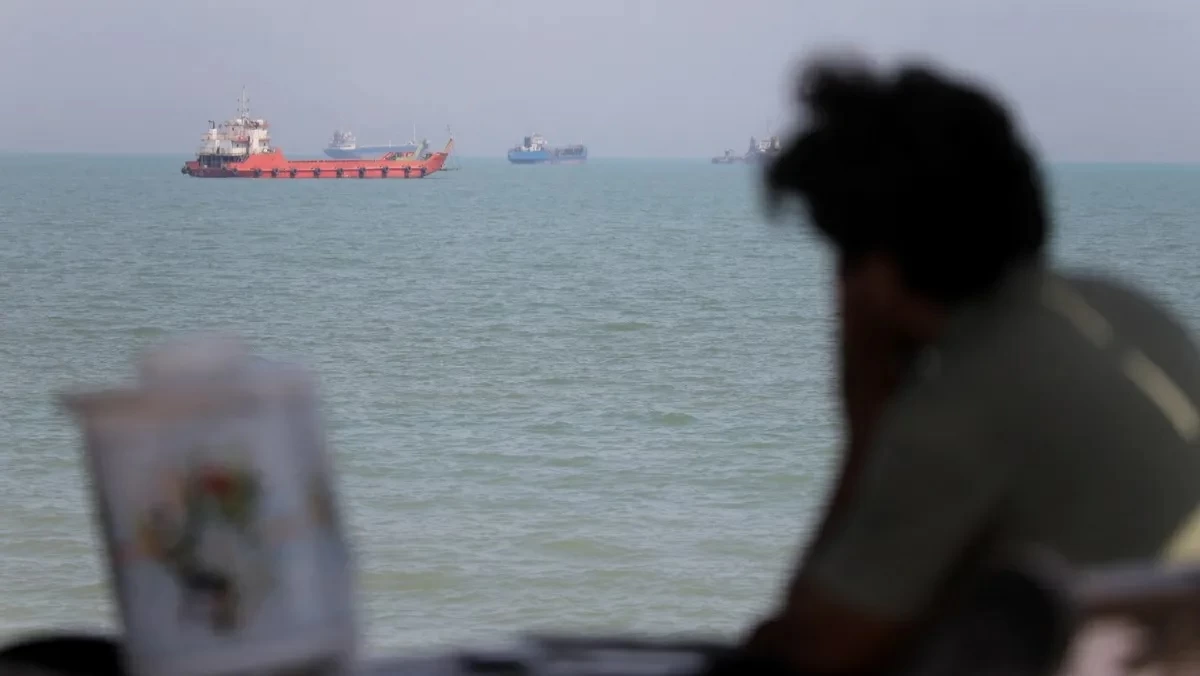
في أحدث تطور يشهده مضيق هرمز الذي يمر عبره نحو خُمس تجارة النفط العالمية، أعلن التلفزيون الإيراني، اليوم (الثلاثاء)، تعرض ناقلة للغاز الطبيعي المسال لهجوم أثناء عبورها مضيق هرمز، بعد تجاهلها تحذيرات صادرة عن السلطات الإيرانية.
ولم يقدم التلفزيون تفاصيل إضافية بشأن هوية الناقلة أو طبيعة الهجوم أو حجم الأضرار التي لحقت بها، كما لم يحدد الجهة التي نفذت الاستهداف.
وكانت تقارير أفادت بإصابة سفينة تجارية في المنطقة نفسها، وأعلنت هيئة عمليات التجارة البحرية البريطانية (UKMTO) أن ناقلة نفط أبلغت عن إصابتها بمقذوف غير محدد في جانبها الأيسر أثناء إبحارها جنوباً قبالة سواحل سلطنة عُمان، ما أدى إلى اندلاع حريق من دون تسجيل إصابات بشرية أو تلوث بيئي.
وأوضحت أن الحادثة وقعت على بعد ثمانية أميال بحرية شرق مدينة ليما العُمانية، داعية السفن المارة إلى توخي الحذر والإبلاغ عن أي نشاط مشبوه، فيما لا تزال السلطات تحقق في ملابساته.
ونقل موقع «أكسيوس» عن مسؤول أمريكي قوله إن الحرس الثوري الإيراني أطلق صاروخين على الأقل باتجاه سفن تجارية كانت تعبر مضيق هرمز، ما تسبب بأضرار كبيرة في سفينتين، من دون وقوع خسائر بشرية. ولم يصدر تعليق رسمي من طهران على هذه الرواية.
وصعّد الرئيس الأمريكي دونالد ترمب لهجته تجاه إيران، أمس الاثنين، مؤكداً أن الولايات المتحدة ستتوصل إلى اتفاق مع طهران أو "ستنهي المهمة".
وقال ترمب للصحفيين في المكتب البيضاوي: "إما أن نتوصل إلى اتفاق، أو ننهي المهمة. لن يكون من الصعب إنهائها، لكنني أفضل التوصل إلى اتفاق لأنني لا أريد أن يتضرر 91 مليون شخص". وأضاف أن الولايات المتحدة قادرة على "هدم جسورهم خلال ساعة واحدة، وقطع إمدادات الطاقة عنهم". وتابع: "ليس لديهم أي أموال الآن. لم نعطهم أي أموال".
وتأتي هذه التطورات في ظل استمرار التوتر بشأن الملاحة في مضيق هرمز، بعدما أغلقت إيران الممر مؤقتاً خلال الحرب الأخيرة، قبل استئناف حركة السفن عقب اتفاق الإطار الموقع بين واشنطن وطهران في 17 يونيو.
ورغم عودة الملاحة، أكدت إيران مراراً أنها لن تعود إلى نظام العبور السابق، مشيرة إلى ترتيبات جديدة للملاحة ورسوم الخدمات في المضيق، وهو ما أثار اعتراضات أمريكية ودولية باعتبار المضيق ممراً دولياً حيوياً.
وفي تصعيد جديد، هاجم المتحدث باسم وزارة الخارجية الإيرانية إسماعيل بقائي، تصريحات وزير الخارجية الألماني بشأن مضيق هرمز.
وجاء التصعيد الإيراني رداً على تصريحات وزير الخارجية الألماني يوهان فاديفول، الذي شدد على أن مضيق هرمز يجب أن يبقى مفتوحاً أمام الملاحة من دون أي قيود أو رسوم، معتبراً أن حرية الملاحة في الممر البحري «مبدأ يحميه القانون الدولي»، كما دعا طهران إلى اغتنام فرصة المفاوضات والالتزام بإعادة فتح المضيق بالكامل أمام السفن التجارية.
In the latest development in the Strait of Hormuz, through which about one-fifth of global oil trade passes, Iranian television announced today (Tuesday) that a liquefied natural gas tanker was attacked while crossing the Strait of Hormuz, after ignoring warnings issued by Iranian authorities.
Television did not provide additional details regarding the identity of the tanker, the nature of the attack, or the extent of the damage it sustained, nor did it specify the party responsible for the targeting.
Reports indicated that a commercial vessel in the same area was hit, and the UK Maritime Trade Operations (UKMTO) announced that an oil tanker reported being struck by an unspecified projectile on its left side while sailing south off the coast of Oman, resulting in a fire without any recorded human casualties or environmental pollution.
It clarified that the incident occurred eight nautical miles east of the Omani city of Lima, urging passing ships to exercise caution and report any suspicious activity, while authorities continue to investigate the circumstances.
The Axios website quoted an American official as saying that the Iranian Revolutionary Guard fired at least two missiles at commercial ships crossing the Strait of Hormuz, causing significant damage to two vessels, without any human casualties. No official comment has been issued from Tehran regarding this account.
President Donald Trump escalated his rhetoric towards Iran on Monday, asserting that the United States would reach an agreement with Tehran or "end the mission."
Trump told reporters in the Oval Office: "Either we reach an agreement, or we end the mission. It won’t be hard to end it, but I prefer to reach an agreement because I don’t want 91 million people to be harmed." He added that the United States is capable of "destroying their bridges in one hour and cutting off their energy supplies." He continued: "They have no money now. We haven’t given them any money."
These developments come amid ongoing tensions regarding navigation in the Strait of Hormuz, after Iran temporarily closed the passage during the recent war, before resuming ship movements following the framework agreement signed between Washington and Tehran on June 17.
Despite the return of navigation, Iran has repeatedly confirmed that it will not return to the previous transit system, indicating new arrangements for navigation and service fees in the strait, which has raised objections from the United States and the international community, considering the strait a vital international passage.
In a new escalation, Iranian Foreign Ministry spokesman Ismail Baqaei attacked the statements of the German Foreign Minister regarding the Strait of Hormuz.
The Iranian escalation came in response to the remarks of German Foreign Minister Johan Wadephol, who emphasized that the Strait of Hormuz must remain open to navigation without any restrictions or fees, considering that freedom of navigation in the maritime passage is "a principle protected by international law," and called on Tehran to seize the opportunity for negotiations and commit to fully reopening the strait to commercial vessels.