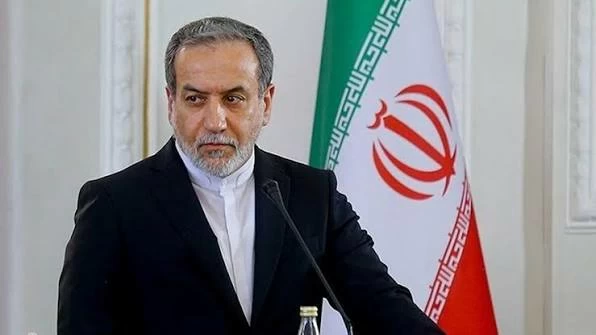
شدد وزير الخارجية الإيراني عباس عراقجي على أن بلاده لن تبدأ المفاوضات الخاصة بالاتفاق النهائي مع الولايات المتحدة إذا استمرت التهديدات، داعياً إلى الالتزام بما ورد في مذكرة التفاهم الموقعة بين الجانبين.
وقال عراقجي في منشور عبر منصة «إكس»، اليوم (الثلاثاء): «إن ملايين الإيرانيين احتشدوا لتكريم المرشد علي خامنئي وإرثه، ولن يتأثروا هم ولا قواتنا المسلحة بأي تهديدات». وأضاف إن «الفقرة الثالثة عشرة من مذكرة التفاهم واضحة، إذ تنص على أن المفاوضات بشأن الاتفاق النهائي لن تبدأ إذا استمرت التهديدات»، مختتماً رسالته بالقول: «احترموا توقيعكم».
وتأتي تصريحات عراقجي فيما تستعد فيه واشنطن وطهران لاستئناف الاتصالات السياسية بعد تعليقها مؤقتاً بسبب مراسم تشييع المرشد الإيراني علي خامنئي، وسط استمرار الخلافات حول عدد من الملفات الأساسية، في مقدمتها البرنامج النووي والعقوبات الأمريكية.
وكشفت مصادر مطلعة أن جولة جديدة من المفاوضات بين الولايات المتحدة وإيران من المقرر أن تُعقد في 11 يوليو الجاري، لبحث ملفات العقوبات، والأموال الإيرانية المجمدة، والبرنامج النووي، فيما لا يزال مستوى تمثيل الوفد الإيراني مرتبطاً بانتهاء ترتيبات ما بعد تشييع خامنئي.
ولا تقتصر الخلافات بين الطرفين على البرنامج النووي، إذ برزت خلال الأسابيع الأخيرة ملفات جديدة، من بينها مستقبل الملاحة في مضيق هرمز وآلية إدارة الممر البحري، بعد أن طرحت طهران فكرة فرض رسوم خدمات على السفن العابرة، وهو ما قوبل برفض أمريكي وخليجي.
وكان عراقجي أكد قبل أيام أن «السلام في المنطقة لا يمكن الحفاظ عليه عبر التدخل الخارجي»، معتبراً أن الوجود العسكري الأمريكي لم يجلب سوى «انعدام الأمن»، بحسب تعبيره.
وجاءت تصريحاته رداً على اجتماع عقدته القيادة المركزية الأمريكية (سنتكوم) مع 12 دولة البحرين، أكدت خلاله التزامها بحرية الملاحة في مضيق هرمز.
وأصرت طهران في الفترة الأخيرة على أن تمر السفن عبر المسارات التي تحددها السلطات الإيرانية، ملوحة بـ«رد حاسم» بحق أي سفينة تخالف تلك التعليمات، في موقف زاد من التوتر بشأن أحد أهم الممرات البحرية في العالم.
ويرى مراقبون أن تصريحات عراقجي تعكس تمسك طهران بشروطها قبل الانتقال إلى مرحلة الاتفاق النهائي، في وقت يحاول فيه الطرفان الحفاظ على مسار التفاوض، رغم استمرار التباينات حول الضمانات الأمنية، ورفع العقوبات، والملف النووي، وحرية الملاحة في الخليج.
The Iranian Foreign Minister Abbas Araqchi emphasized that his country will not begin negotiations regarding the final agreement with the United States if the threats continue, calling for adherence to what is stated in the memorandum of understanding signed between the two sides.
Araqchi said in a post on the "X" platform today (Tuesday): "Millions of Iranians have gathered to honor the leader Ali Khamenei and his legacy, and neither they nor our armed forces will be affected by any threats." He added that "the thirteenth paragraph of the memorandum of understanding is clear, as it states that negotiations on the final agreement will not begin if the threats continue," concluding his message by saying: "Respect your signature."
Araqchi's statements come as Washington and Tehran prepare to resume political communications after temporarily suspending them due to the funeral ceremonies of the Iranian leader Ali Khamenei, amid ongoing disagreements over several key issues, primarily the nuclear program and U.S. sanctions.
Informed sources revealed that a new round of negotiations between the United States and Iran is scheduled to take place on July 11, to discuss issues related to sanctions, frozen Iranian funds, and the nuclear program, while the level of representation of the Iranian delegation remains linked to the completion of arrangements following Khamenei's funeral.
The disagreements between the two sides are not limited to the nuclear program, as new issues have emerged in recent weeks, including the future of navigation in the Strait of Hormuz and the management mechanism of the maritime corridor, after Tehran proposed the idea of imposing service fees on passing ships, which was met with U.S. and Gulf rejection.
Araqchi confirmed days ago that "peace in the region cannot be maintained through external intervention," considering that the U.S. military presence has brought nothing but "insecurity," as he put it.
His statements came in response to a meeting held by the U.S. Central Command (CENTCOM) with 12 countries, including Bahrain, during which it reaffirmed its commitment to freedom of navigation in the Strait of Hormuz.
Tehran has recently insisted that ships pass through the routes designated by Iranian authorities, threatening a "decisive response" against any vessel that violates those instructions, in a stance that has heightened tensions regarding one of the most important maritime corridors in the world.
Observers believe that Araqchi's statements reflect Tehran's insistence on its conditions before moving to the final agreement stage, at a time when both sides are trying to maintain the negotiation track, despite ongoing differences over security guarantees, lifting sanctions, the nuclear file, and freedom of navigation in the Gulf.