على الرغم من تضارب التصريحات بين واشنطن وطهران بشأن اجتماع الدوحة، يتوقع أن تصل فرق تفاوض من إيران والولايات المتحدة إلى العاصمة القطرية، اليوم الثلاثاء.
وينتظر عقد اجتماع، اليوم، في ظل تصاعد التوتر بين البلدين وعودة مضيق هرمز إلى واجهة المشهد الإقليمي والدولي، وسط مخاوف متزايدة بشأن أمن إمدادات الطاقة العالمية ومستقبل المفاوضات النووية.
ورغم وجود مهلة تمتد لـ60 يوماً لتنفيذ مذكرة التفاهم، فإن تبادل الاتهامات بين الطرفين بخرق الاتفاق يُهدد بإعاقة مسار التهدئة ويعيد المنطقة إلى دائرة التصعيد.
وتوقع الرئيس الأمريكي دونالد ترمب أن يكون الاجتماع المرتقب اليوم بين الجانبين في الدوحة مهماً، وقال: «سيعرف الجميع ذلك لاحقاً»، على حد تعبيره.
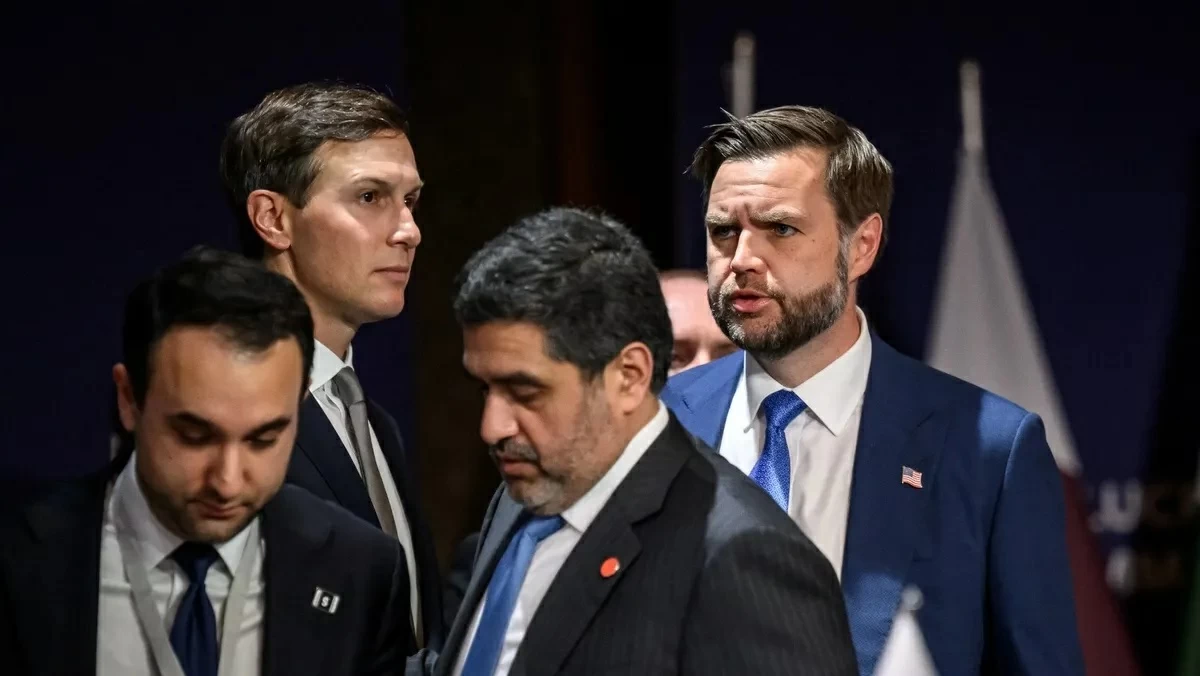
وكان ترمب أعلن أن إيران هي من طلبت عقد الاجتماع، مؤكداً أن الوفد الأمريكي يستعد للمغادرة إلى قطر. وبحسب البيت الأبيض، يترأس الوفد المبعوثان ستيف ويتكوف وجاريد كوشنر.
بدوره، أكد الرئيس الإيراني مسعود بزشكيان، في تغريدة له على منصة «إكس»، أن إيران ستفي بالتزاماتها وفق مذكرة التفاهم، شريطة التزام الولايات المتحدة بها.
واعتبر أن نهج إيران في مواجهة الخطابات التصعيدية والتهديدات، يرتكز على العقلانية، والدفاع الحاسم عند التنفيذ، على حد قوله.
وكانت إيران نفت وجود خطط لعقد محادثات مع الأمريكيين على مستوى الفرق التقنية، مؤكدة على لسان المتحدث باسم وزارة الخارجية إسماعيل بقائي أن وفداً متخصصاً سيتوجه إلى الدوحة في وقت لاحق من هذا الأسبوع بهدف متابعة تنفيذ الالتزامات بموجب مذكرة التفاهم.
وحذّر نائب وزير الخارجية الإيراني، كاظم غريب آبادي من أن بلاده عرقلت، وستعرقل حركة السفن في مضيق هرمز التي لا تلتزم بالمسارات التي حددتها طهران.
وأضاف أن إيران أبلغت الجانب العُماني بضرورة إعادة تحديد ممرات العبور في المضيق، على أن تُعقد محادثات فنية مشتركة إيرانية عمانية لوضع ترتيبات ثنائية بشأن هذه المسارات الجديدة، وفق قوله.
وكان وزير الخارجية العماني بدر البوسعيدي، أكد أن مسقط تتمسك بألا تخرج أي ترتيبات مستقبلية عن نطاق القانون الدولي في ما يتعلق بهذا الممر المائي الحيوي، موضحاً أن بلاده لا تؤيد فرض رسوم على العبور من هرمز. وشدّد على أن مسقط ملتزمة بقانون البحار الدولي الذي يمنع فرض رسوم على الممرات البحرية الدولية.
وعقدت اللجنة المشتركة العمانية الإيرانية، أمس، اجتماعها الأول حول مضيق هرمز في مسقط من أجل تبادل الآراء حول الإدارة المستقبلية للممر.
Despite conflicting statements between Washington and Tehran regarding the Doha meeting, negotiation teams from Iran and the United States are expected to arrive in the Qatari capital today, Tuesday.
A meeting is anticipated today amid rising tensions between the two countries and the return of the Strait of Hormuz to the forefront of the regional and international scene, with increasing concerns about the security of global energy supplies and the future of nuclear negotiations.
Although there is a 60-day deadline to implement the memorandum of understanding, the exchange of accusations between the two parties regarding violations of the agreement threatens to hinder the path to de-escalation and brings the region back into a cycle of escalation.
U.S. President Donald Trump predicted that the anticipated meeting today between the two sides in Doha would be significant, stating, "Everyone will know that later," as he put it.
Trump announced that Iran requested the meeting, confirming that the American delegation is preparing to depart for Qatar. According to the White House, the delegation is headed by envoys Steve Mnuchin and Jared Kushner.
For his part, Iranian President Masoud Bezhakian confirmed in a tweet on the platform "X" that Iran will fulfill its commitments under the memorandum of understanding, provided that the United States adheres to it.
He considered that Iran's approach to confronting escalating rhetoric and threats is based on rationality and decisive defense when implementing, as he stated.
Iran had denied plans to hold talks with the Americans at the technical team level, affirming through Foreign Ministry spokesman Ismail Baqai that a specialized delegation will head to Doha later this week to follow up on the implementation of commitments under the memorandum of understanding.
Iran's Deputy Foreign Minister Kazem Gharib Abadi warned that his country has obstructed and will continue to obstruct the movement of ships in the Strait of Hormuz that do not adhere to the routes specified by Tehran.
He added that Iran has informed the Omani side of the necessity to redefine the transit corridors in the strait, with joint technical talks between Iran and Oman to arrange bilateral agreements regarding these new routes, according to him.
Omani Foreign Minister Badr al-Busaidi confirmed that Muscat insists that no future arrangements deviate from international law concerning this vital waterway, clarifying that his country does not support imposing fees for passage through Hormuz. He emphasized that Muscat is committed to international maritime law, which prohibits imposing fees on international maritime routes.
The joint Omani-Iranian committee held its first meeting yesterday in Muscat regarding the Strait of Hormuz to exchange views on the future management of the corridor.