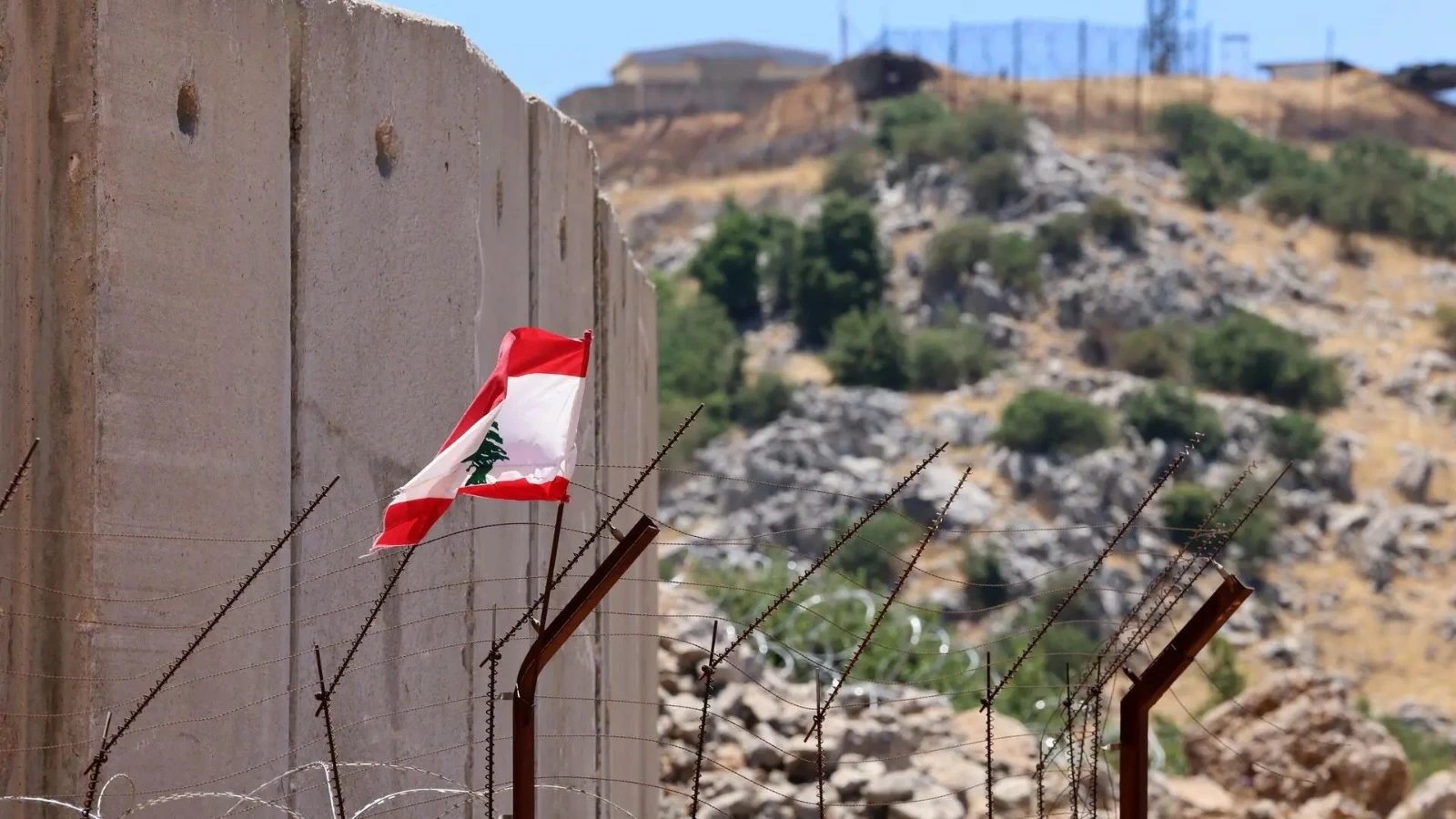
أدانت جامعة الدول العربية -بأشد العبارات- الاعتداءات الإسرائيلية المتواصلة على جنوب لبنان، التي استهدفت مدنيين في مدينة النبطية وعدداً من القرى والبلدات المجاورة، محذرة من أن استمرار التصعيد ينذر بانفجار الوضع والدخول في مواجهات أوسع، بما يقوض الجهود الرامية إلى تسوية الصراع.
وقال المتحدث باسم الأمين العام لجامعة الدول العربية، إن الهجمات الإسرائيلية، التي استمرت منذ صباح اليوم (السبت) 15 أغسطس، تمثل انتهاكاً سافراً لسيادة لبنان وتصعيداً خطيراً يهدد بنسف الجهود الرامية إلى تسوية الصراع وإنهاء الاحتلال.
وأكد أن استمرار هذه السياسات والممارسات يعكس، بحسب تقديره، توجهاً إسرائيلياً لإطالة أمد المواجهات وعرقلة مسارات التفاوض وفرض واقع جديد على الأرض، مشدداً على أن هذا النهج «غير مقبول ومرفوض بشكل كامل».
تحرك دولي عاجل
وحذر المتحدث من خطورة انزلاق الأوضاع في جنوب لبنان إلى دائرة أوسع من المواجهات، داعياً المجتمع الدولي إلى التحرك بصورة عاجلة لوقف التصعيد، ومطالباً الولايات المتحدة خصوصاً بالتدخل للضغط من أجل وقف العمليات العسكرية الإسرائيلية وإلزام إسرائيل بتنفيذ قرار مجلس الأمن رقم 1701.
ويأتي الموقف العربي في ظل تصاعد التوتر على الحدود اللبنانية الإسرائيلية، في وقت لا يزال الوجود العسكري الإسرائيلي في مناطق شمال الخط الأزرق وتنفيذ القرار 1701 من أبرز الملفات المرتبطة بأمن واستقرار جنوب لبنان.
وكان مجلس الأمن قد تبنى القرار 1701 عام 2006، في أعقاب الحرب بين إسرائيل و«حزب الله»، داعياً إلى وقف الأعمال القتالية وتعزيز انتشار القوات المسلحة اللبنانية وقوة الأمم المتحدة المؤقتة في لبنان «اليونيفيل» في الجنوب، بما يدعم بسط سلطة الدولة اللبنانية واحترام سيادتها.
مخاطر على الاستقرار
وتكتسب الدعوة إلى تنفيذ القرار أهمية إضافية في ضوء التطورات الأخيرة، إذ أكدت الأمم المتحدة في تقاريرها أن وجود القوات الإسرائيلية في مواقع شمال الخط الأزرق، إلى جانب استمرار الأنشطة العسكرية داخل الأراضي اللبنانية، يعرقل جهود الحكومة اللبنانية لتوسيع سلطتها ويؤثر على عودة السكان إلى مناطقهم.
كما دعت الأمم المتحدة إسرائيل إلى الانسحاب من جميع المناطق الواقعة شمال الخط الأزرق واحترام سيادة لبنان وسلامة أراضيه.
وفي هذا السياق، تواصل «اليونيفيل» أداء دورها في مراقبة تنفيذ القرار 1701 والإبلاغ عن الانتهاكات، إلى جانب العمل على خفض التوتر والحفاظ على قنوات الاتصال بين الجانبين اللبناني والإسرائيلي. ومن المقرر أن تستمر «اليونيفيل» في أداء مهامها حتى نهاية 2026، وفق التفويض الأممي الحالي، على أن تبدأ عملية انسحاب تدريجية ومنظمة بعد ذلك.
وشدد المتحدث باسم الأمين العام للجامعة العربية على أن استمرار التصعيد لا يهدد أمن جنوب لبنان وحده، بل ينطوي على مخاطر أوسع على الاستقرار الإقليمي، خصوصاً في ظل هشاشة الأوضاع الأمنية والسياسية في المنطقة.
وجددت جامعة الدول العربية تضامنها الكامل مع لبنان وشعبه، مؤكدة دعمها الدولة اللبنانية في مواجهة الاعتداءات التي تستهدف أمن البلاد واستقرارها وسيادتها وسلمها الأهلي.
وتأتي الإدانة العربية في وقت تسعى بيروت إلى تعزيز سلطة مؤسسات الدولة على كامل الأراضي اللبنانية، فيما تؤكد الأمم المتحدة أن التطبيق الكامل للقرار 1701 يتطلب احترام سيادة لبنان وسلامة أراضيه، ووقف الأعمال العدائية، والعمل على تثبيت وقف دائم لإطلاق النار.
The Arab League condemned -in the strongest terms- the ongoing Israeli attacks on southern Lebanon, which targeted civilians in the city of Nabatieh and a number of nearby villages and towns, warning that the continuation of the escalation threatens to explode the situation and lead to wider confrontations, undermining efforts aimed at resolving the conflict.
The spokesperson for the Secretary-General of the Arab League stated that the Israeli attacks, which have continued since the morning of today (Saturday) August 15, represent a blatant violation of Lebanon's sovereignty and a serious escalation that threatens to undermine efforts aimed at resolving the conflict and ending the occupation.
He emphasized that the continuation of these policies and practices reflects, in his estimation, an Israeli tendency to prolong confrontations, obstruct negotiation paths, and impose a new reality on the ground, stressing that this approach is "unacceptable and completely rejected."
Urgent International Action
The spokesperson warned of the danger of the situation in southern Lebanon slipping into a wider circle of confrontations, calling on the international community to take urgent action to stop the escalation, and demanding that the United States, in particular, intervene to pressure for the cessation of Israeli military operations and to compel Israel to implement Security Council Resolution 1701.
The Arab position comes amid rising tensions on the Lebanese-Israeli border, at a time when the Israeli military presence in areas north of the Blue Line and the implementation of Resolution 1701 remain among the most prominent issues related to the security and stability of southern Lebanon.
The Security Council adopted Resolution 1701 in 2006, following the war between Israel and "Hezbollah," calling for a cessation of hostilities and enhancing the deployment of the Lebanese Armed Forces and the United Nations Interim Force in Lebanon (UNIFIL) in the south, in support of the authority of the Lebanese state and respect for its sovereignty.
Risks to Stability
The call for the implementation of the resolution gains additional importance in light of recent developments, as the United Nations has confirmed in its reports that the presence of Israeli forces in positions north of the Blue Line, along with the continuation of military activities within Lebanese territory, obstructs the Lebanese government's efforts to expand its authority and affects the return of residents to their areas.
The United Nations has also called on Israel to withdraw from all areas located north of the Blue Line and to respect Lebanon's sovereignty and territorial integrity.
In this context, UNIFIL continues to perform its role in monitoring the implementation of Resolution 1701 and reporting violations, in addition to working to reduce tensions and maintain communication channels between the Lebanese and Israeli sides. UNIFIL is scheduled to continue its tasks until the end of 2026, according to the current UN mandate, after which a gradual and organized withdrawal process will begin.
The spokesperson for the Secretary-General of the Arab League emphasized that the continuation of the escalation threatens not only the security of southern Lebanon but also poses wider risks to regional stability, especially given the fragility of the security and political situations in the region.
The Arab League reiterated its full solidarity with Lebanon and its people, affirming its support for the Lebanese state in facing the attacks targeting the country's security, stability, sovereignty, and civil peace.
The Arab condemnation comes at a time when Beirut is seeking to strengthen the authority of state institutions over all Lebanese territory, while the United Nations confirms that the full implementation of Resolution 1701 requires respect for Lebanon's sovereignty and territorial integrity, cessation of hostilities, and efforts to establish a permanent ceasefire.