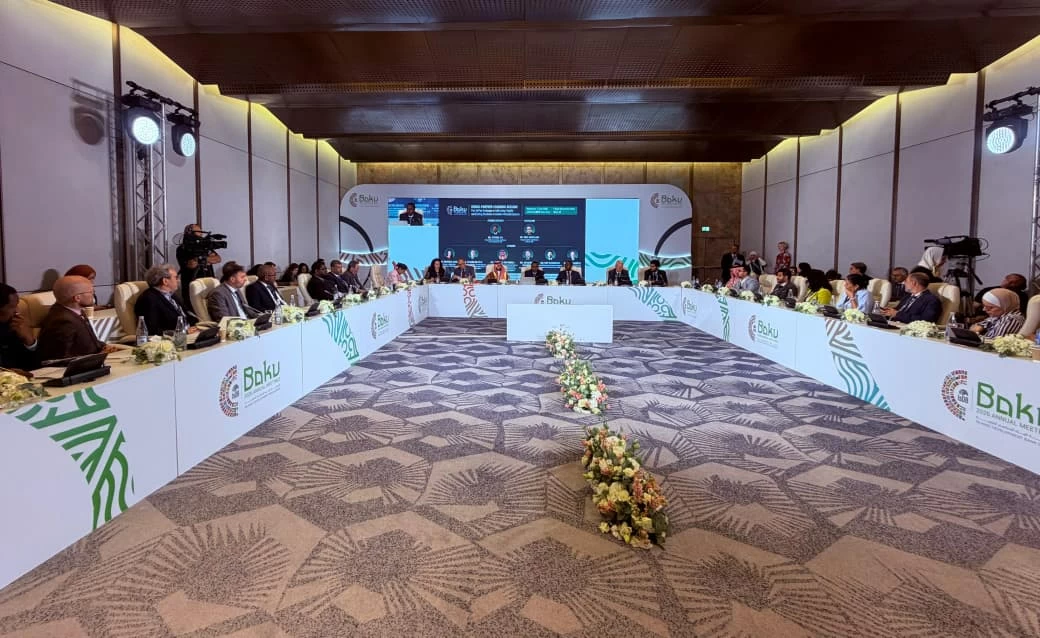
سجل البرنامج السعودي لتنمية وإعمار اليمن حضوراً فاعلاً وعريضاً في الاجتماعات السنوية لمجموعة البنك الإسلامي للتنمية لعام 2026، التي انطلقت أعمالها في العاصمة الأذربيجانية (باكو) تحت شعار (التكامل الإقليمي رافد الازدهار المستدام)، وتستمر حتى 19 يونيو الجاري، وسط مشاركة رفيعة المستوى من صناع القرار والوزراء من الدول الأعضاء الـ57، ونخبة من الشركاء الدوليين ورجال المال والأعمال حول العالم.
واستعرض البرنامج خلال مشاركته تجربته التنموية الرائدة في المحافظات اليمنية، وما تمخضت عنه مشاريعه ومبادراته المستدامة من نتائج ملموسة أسهمت بشكل مباشر في الارتقاء بالخدمات الأساسية، وتحسين جودة الحياة اليومية لليمنيين، فضلاً عن رفع كفاءة البنية التحتية؛ دفعاً بعجلة التنمية والاستقرار، وتحفيزاً لمنظومة التعافي الاقتصادي في اليمن.
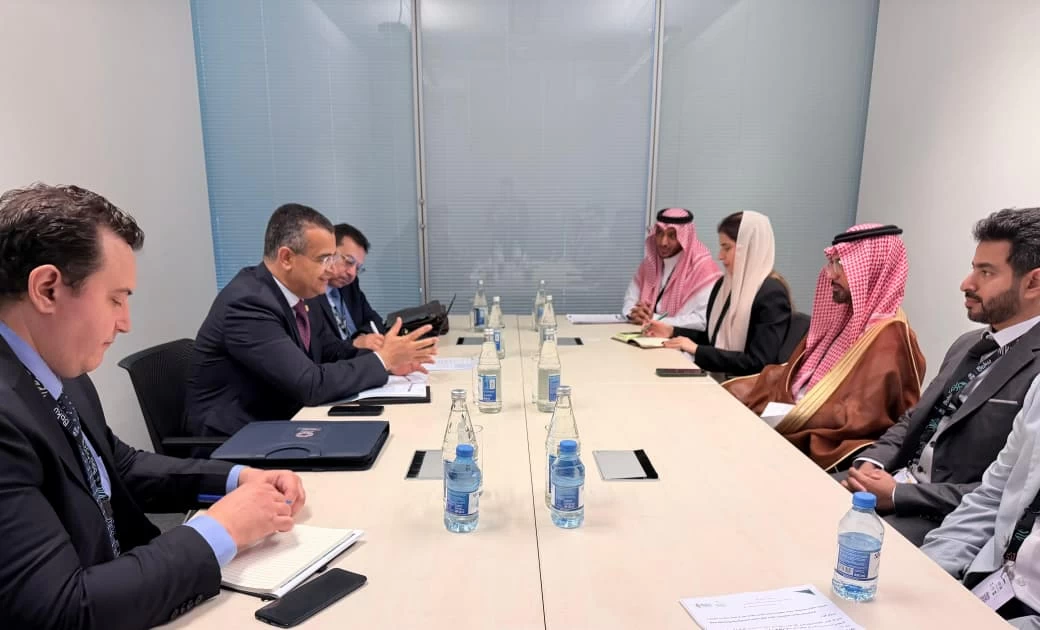
وضم وفد البرنامج المشارك في أعمال الاجتماعات والمنعقدة في العاصمة باكو، عدداً من المسؤولين برئاسة مساعد المشرف العام للعلاقات المؤسسية رئيس قطاع الاتصال والتعاون الدولي عبدالله بن كدسه، وانخرط الوفد في سلسلة من الجلسات الحوارية المصاحبة، وعقد جملة من اللقاءات الثنائية المثمرة مع مسؤولين وخبراء دوليين بحثت آفاق التعاون وتبادل الخبرات.
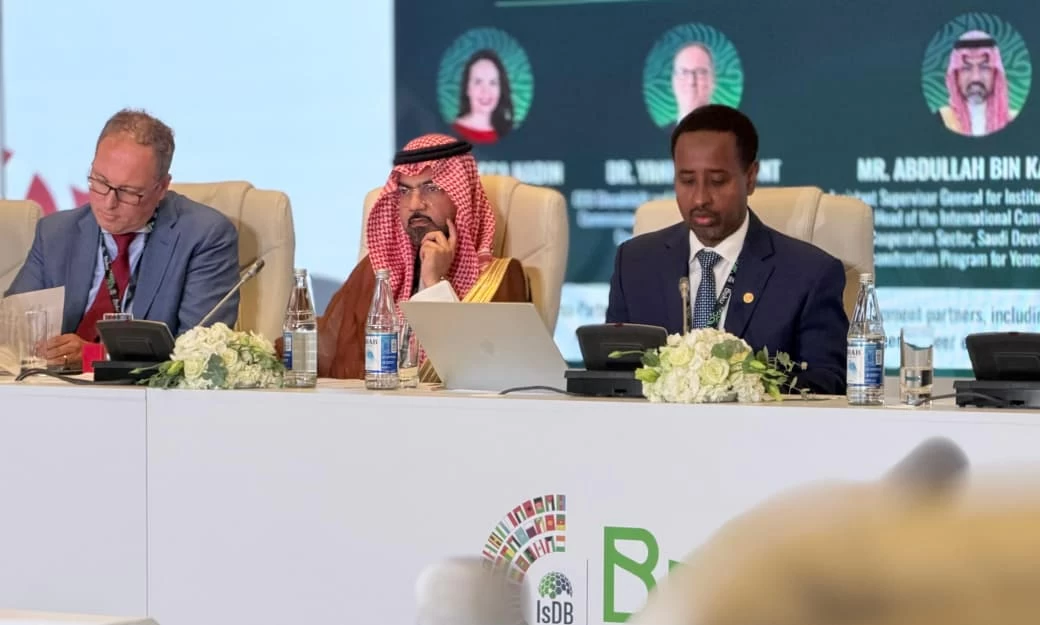
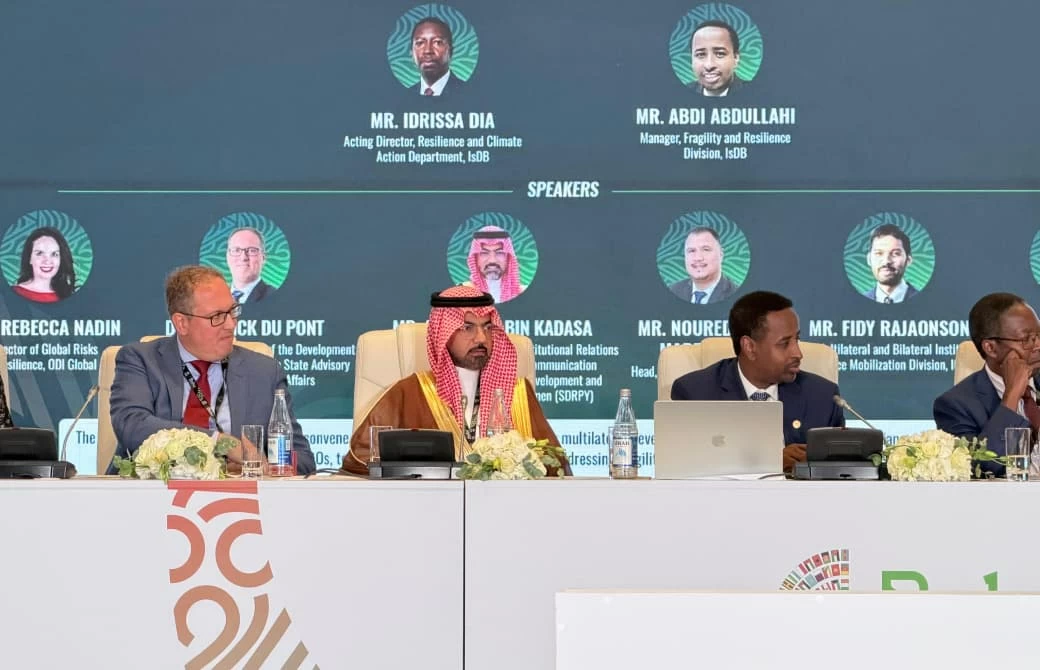
وفي سياق أعمال جلسة النقاش الرفيعة التي عقدت بعنوان (معالجة الهشاشة وبناء المرونة في السياقات المتأثرة بالهشاشة والصراعات)، أكد مساعد المشرف العام للعلاقات المؤسسية عبدالله بن كدسه، أن البرنامج يعمل وفق رؤية تكاملية وبالتنسيق اللصيق مع الحكومة اليمنية والسلطات المحلية، وبشراكة إستراتيجية مع منظمات المجتمع المدني، والمنظمات الأممية والدولية والإقليمية، إلى جانب القطاع الخاص؛ لضمان استدامة الأثر وتعاظم النتائج على أرض الواقع.
وأوضح بن كدسه في مضامين كلمته، أن المنهجية التنموية التي يتبناها البرنامج أثبتت نجاحاً استثنائياً نظير القرب من المستفيدين وفهم الاحتياجات الفعلية عن كثب؛ عبر خمسة مكاتب ميدانية تابعة للبرنامج وموزعة في مختلف المحافظات اليمنية، ما أسهم في تصميم وتدوير تدخلات تنموية أكثر فاعلية واستجابة للواقع.
وأضاف: «صناعة تحول تنموي ملموس تتطلب بناء تحالفات وشراكات عريضة، وهو ما تجسده شراكات البرنامج السعودي لتنمية وإعمار اليمن القائمة مع كبريات المؤسسات الدولية والإقليمية، وفي طليعتها البنك الإسلامي للتنمية، والبنك الدولي، وبرنامج الأمم المتحدة الإنمائي (UNDP)، وغيرها من المنظمات التنموية العالمية».
ونوه رئيس وفد البرنامج السعودي بأن الاستثمار المتزامن والممنهج في القطاعات الحيوية المتداخلة مثل الطاقة، والمياه، والصحة، والتعليم، والنقل، يسهم في تعظيم الأثر التنموي مقارنة بالمشاريع المنفردة، معللاً ذلك بأن التنمية في المفهوم السعودي الحديث هي منظومة مترابطة متكاملة وليست مجرد مشاريع مستقلة ومعزولة.
ولفت بن كدسه إلى أن البرنامج توّج هذه التجربة التنموية النوعية بتقديم أكثر من 287 مشروعاً ومبادرة تنموية منذ انطلاقة أعماله في 2018، غطت قطاعات إستراتيجية عدة، تصدرها التعليم، والصحة، والمياه، والنقل، والزراعة، والثروة السمكية، وصولاً إلى بناء وتطوير قدرات الحكومة اليمنية.
تأتي هذه المشاركة الرفيعة للبرنامج السعودي لتنمية وإعمار اليمن في المحفل الدولي بباكو، امتداداً لجهوده الدؤوبة والراسخة لنقل المعرفة وتصدير الخبرات التنموية السعودية مع الشركاء الدوليين، والإسهام بفاعلية في صياغة حلول مبتكرة ومستدامة تجابه التحديات التنموية، وتدعم مسارات النماء والرخاء في اليمن.
The Saudi Program for the Development and Reconstruction of Yemen has made a significant and broad presence at the annual meetings of the Islamic Development Bank Group for the year 2026, which commenced in the Azerbaijani capital (Baku) under the slogan (Regional Integration as a Catalyst for Sustainable Prosperity), and will continue until June 19, with high-level participation from decision-makers and ministers from the 57 member states, along with a select group of international partners and business leaders from around the world.
During its participation, the program showcased its pioneering development experience in the Yemeni governorates, highlighting the tangible results of its sustainable projects and initiatives that have directly contributed to enhancing basic services and improving the daily quality of life for Yemenis, as well as increasing the efficiency of infrastructure; thus driving the wheel of development and stability, and stimulating the economic recovery system in Yemen.
The program's delegation participating in the meetings held in the capital Baku included several officials headed by the Assistant General Supervisor for Institutional Relations and Head of the International Communication and Cooperation Sector, Abdullah bin Kaddasa. The delegation engaged in a series of accompanying dialogue sessions and held a number of fruitful bilateral meetings with international officials and experts to explore cooperation and exchange experiences.
In the context of the high-level discussion session titled (Addressing Fragility and Building Resilience in Fragile and Conflict-Affected Contexts), the Assistant General Supervisor for Institutional Relations, Abdullah bin Kaddasa, emphasized that the program operates according to an integrated vision and in close coordination with the Yemeni government and local authorities, in strategic partnership with civil society organizations, and international and regional organizations, alongside the private sector; to ensure the sustainability of impact and the amplification of results on the ground.
Bin Kaddasa explained in the content of his speech that the developmental methodology adopted by the program has proven exceptionally successful due to its proximity to beneficiaries and understanding their actual needs closely; through five field offices affiliated with the program distributed across various Yemeni governorates, which has contributed to designing and rotating more effective developmental interventions responsive to reality.
He added: “Creating a tangible developmental transformation requires building broad alliances and partnerships, which is embodied in the partnerships of the Saudi Program for the Development and Reconstruction of Yemen with major international and regional institutions, foremost among them the Islamic Development Bank, the World Bank, the United Nations Development Programme (UNDP), and other global developmental organizations.”
The head of the Saudi program delegation noted that simultaneous and systematic investment in vital interconnected sectors such as energy, water, health, education, and transportation contributes to maximizing developmental impact compared to standalone projects, justifying that development in the modern Saudi concept is an interconnected and integrated system, not merely independent and isolated projects.
Bin Kaddasa pointed out that the program has culminated this qualitative developmental experience by presenting more than 287 developmental projects and initiatives since its inception in 2018, covering several strategic sectors, led by education, health, water, transportation, agriculture, and fisheries, culminating in building and developing the capacities of the Yemeni government.
This high-level participation of the Saudi Program for the Development and Reconstruction of Yemen in the international forum in Baku is an extension of its ongoing and solid efforts to transfer knowledge and export Saudi developmental experiences with international partners, and to actively contribute to formulating innovative and sustainable solutions that address developmental challenges and support pathways of growth and prosperity in Yemen.