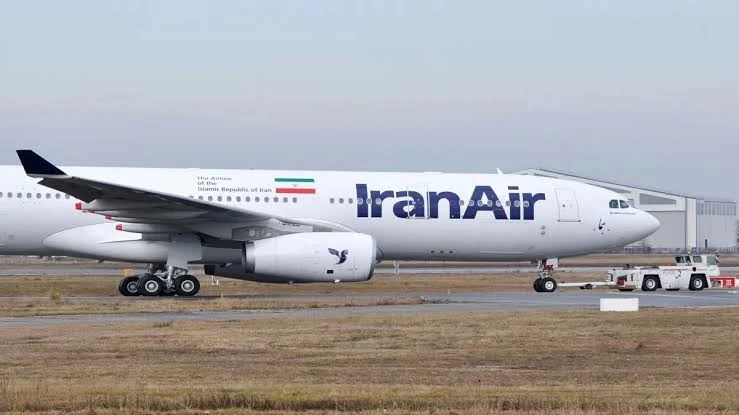
كشف رئيس منظمة الطيران المدني الإيرانية أبوذر شيرودي النقاب عن نقل 34 طائرة خارج البلاد خلال الحرب الأخيرة مع الولايات المتحدة وإسرائيل. وأفاد بأن جزءاً من هذه الخطة نُفذ بنجاح في إطار إجراءات حماية الأسطول الجوي والبنية التحتية لقطاع الطيران.
باكستان تنفي وجود طائرات إيرانية
ولم يحدد شيرودي الدول أو المطارات التي استقبلت تلك الطائرات، مكتفياً بالإشارة إلى أن عملية إعادة الانتشار جاءت ضمن خطة أشمل لتقليل المخاطر التي تهدد الطيران المدني الإيراني في ظل العمليات العسكرية.
ونقلت شبكة «سي بي إس» CBS الأمريكية في مايو الماضي عن مسؤولين أمريكيين، أن عدداً من الطائرات الإيرانية تمركز خلال الحرب في قاعدة «نور خان» الجوية القريبة من مدينة راولبندي الباكستانية. ووفقاً للتقرير، فإن وجود تلك الطائرات في القاعدة الباكستانية وفر لها مستوى من الحماية من أي هجمات محتملة.
إلا أن وزارة الخارجية الباكستانية وصفت تقرير «سي بي إس» بأنه «مضلل ومبالغ فيه»، مؤكدة أن الطائرات الإيرانية الموجودة في باكستان وصلت خلال فترة وقف إطلاق النار وفي إطار ترتيبات لوجستية ودبلوماسية مرتبطة بالمحادثات، ونفت وجود أي صلة لها بترتيبات عسكرية أو خطط لحماية أصول قتالية.
تحويل مسارات الرحلات العابرة للأجواء
وقال رئيس منظمة الطيران المدني إن الولايات المتحدة وإسرائيل سعتا منذ الأيام الأولى للحرب إلى استهداف البنية التحتية لقطاع الطيران في إيران، معتبراً أن أول مؤشر على هذا التوجه كان استهداف طائرة من طراز «إيرباص» تابعة لإيران في مطار بوشهر.
وأضاف أن السلطات الإيرانية، وبعد بدء الهجمات، لم تكتفِ بتطبيق خطة تعليق العمليات الجوية، بل قامت أيضاً بتحويل مسارات الرحلات العابرة للأجواء الإيرانية إلى مسارات بديلة عبر دول مجاورة؛ بهدف الحفاظ على سلامة الملاحة الجوية وتقليل المخاطر التشغيلية.
وأوضح شيرودي أن التطورات الميدانية دفعت الجهات المعنية، بالتنسيق مع هيئة الأركان العامة للقوات المسلحة والجهات المختصة بالدفاع الجوي، إلى اعتماد سياسة «تشتيت» أو «توزيع» الأسطول الجوي على عدد أكبر من المطارات لتقليل احتمالات تعرضه للاستهداف المباشر.
وبحسب المسؤول الإيراني، شملت هذه الإجراءات تنفيذ 133 عملية نقل لطائرات من مطاري الإمام الخميني ومهرآباد إلى مطارات اعتُبرت أكثر أمناً، في واحدة من أكبر عمليات إعادة انتشار الطائرات المدنية داخل إيران خلال العقود الأخيرة.
سابقة تاريخية تعود لحرب الخليج الثانية
وكان الرئيس دونالد ترمب، أعلن خلال الحرب إن الضربات الأمريكية والإسرائيلية «شلت» أو «دمرت» جزءاً كبيراً من القوة الجوية الإيرانية، مؤكداً أن سلاح الجو الإيراني فقد قدرته على العمل الفعّال، وأن التفوق الجوي بات بيد الولايات المتحدة وحلفائها. واعتبر أن إيران لم تعد تملك قدرة حقيقية على فرض تهديد جوي، في حين أشارت تقديرات لاحقة إلى أن القوة الجوية الإيرانية تعرّضت لأضرار كبيرة، لكنها لم تُدمَّر بالكامل.
وتعيد التصريحات الإيرانية إلى الأذهان سابقة تاريخية تعود إلى حرب الخليج الثانية عام 1991، عندما نقل العراق عشرات الطائرات العسكرية إلى إيران لتجنّب تدميرها خلال الحملة الجوية التي قادها التحالف الدولي. وبعد انتهاء الحرب احتفظت إيران بمعظم تلك الطائرات، التي ضمت مقاتلات وطائرات نقل متنوعة، واعتبرتها لاحقاً جزءاً من التعويضات المستحقة لها عن الحرب العراقية الإيرانية، ولم تُعدها إلى العراق رغم المطالبات المتكررة من بغداد على مدى سنوات.
The head of the Iranian Civil Aviation Organization, Abuzar Shiroudi, revealed the transfer of 34 aircraft outside the country during the recent war with the United States and Israel. He stated that part of this plan was successfully implemented as part of measures to protect the air fleet and the infrastructure of the aviation sector.
Pakistan Denies Presence of Iranian Aircraft
Shiroudi did not specify the countries or airports that received those aircraft, merely indicating that the redeployment process was part of a broader plan to reduce risks threatening Iranian civil aviation amid military operations.
The American CBS network reported last May, citing U.S. officials, that a number of Iranian aircraft were stationed during the war at the "Nur Khan" airbase near the city of Rawalpindi, Pakistan. According to the report, the presence of those aircraft at the Pakistani base provided them with a level of protection from any potential attacks.
However, the Pakistani Foreign Ministry described the CBS report as "misleading and exaggerated," confirming that the Iranian aircraft present in Pakistan arrived during a ceasefire period and as part of logistical and diplomatic arrangements related to negotiations, denying any connection to military arrangements or plans to protect combat assets.
Redirecting Air Traffic Routes
The head of the Civil Aviation Organization stated that the United States and Israel sought from the early days of the war to target the aviation sector's infrastructure in Iran, considering that the first indication of this trend was the targeting of an Iranian Airbus at Bushehr Airport.
He added that Iranian authorities, after the onset of attacks, not only implemented a plan to suspend air operations but also redirected flights crossing Iranian airspace to alternative routes through neighboring countries; aiming to maintain air navigation safety and reduce operational risks.
Shiroudi explained that the field developments prompted the relevant authorities, in coordination with the General Staff of the Armed Forces and the air defense entities, to adopt a policy of "dispersing" or "distributing" the air fleet across a larger number of airports to reduce the likelihood of direct targeting.
According to the Iranian official, these measures included executing 133 transfer operations for aircraft from Imam Khomeini and Mehrabad airports to airports considered safer, in one of the largest redeployment operations of civil aircraft within Iran in recent decades.
A Historical Precedent from the Second Gulf War
President Donald Trump announced during the war that U.S. and Israeli strikes had "crippled" or "destroyed" a significant part of the Iranian air force, asserting that the Iranian Air Force had lost its ability to operate effectively, and that air superiority was now in the hands of the United States and its allies. He considered that Iran no longer had a real capability to impose an aerial threat, while subsequent estimates indicated that the Iranian air force sustained significant damage but was not completely destroyed.
The Iranian statements recall a historical precedent from the Second Gulf War in 1991, when Iraq transferred dozens of military aircraft to Iran to avoid their destruction during the air campaign led by the international coalition. After the war ended, Iran retained most of those aircraft, which included various fighters and transport planes, and later considered them part of the reparations owed to it for the Iran-Iraq War, not returning them to Iraq despite repeated demands from Baghdad over the years.