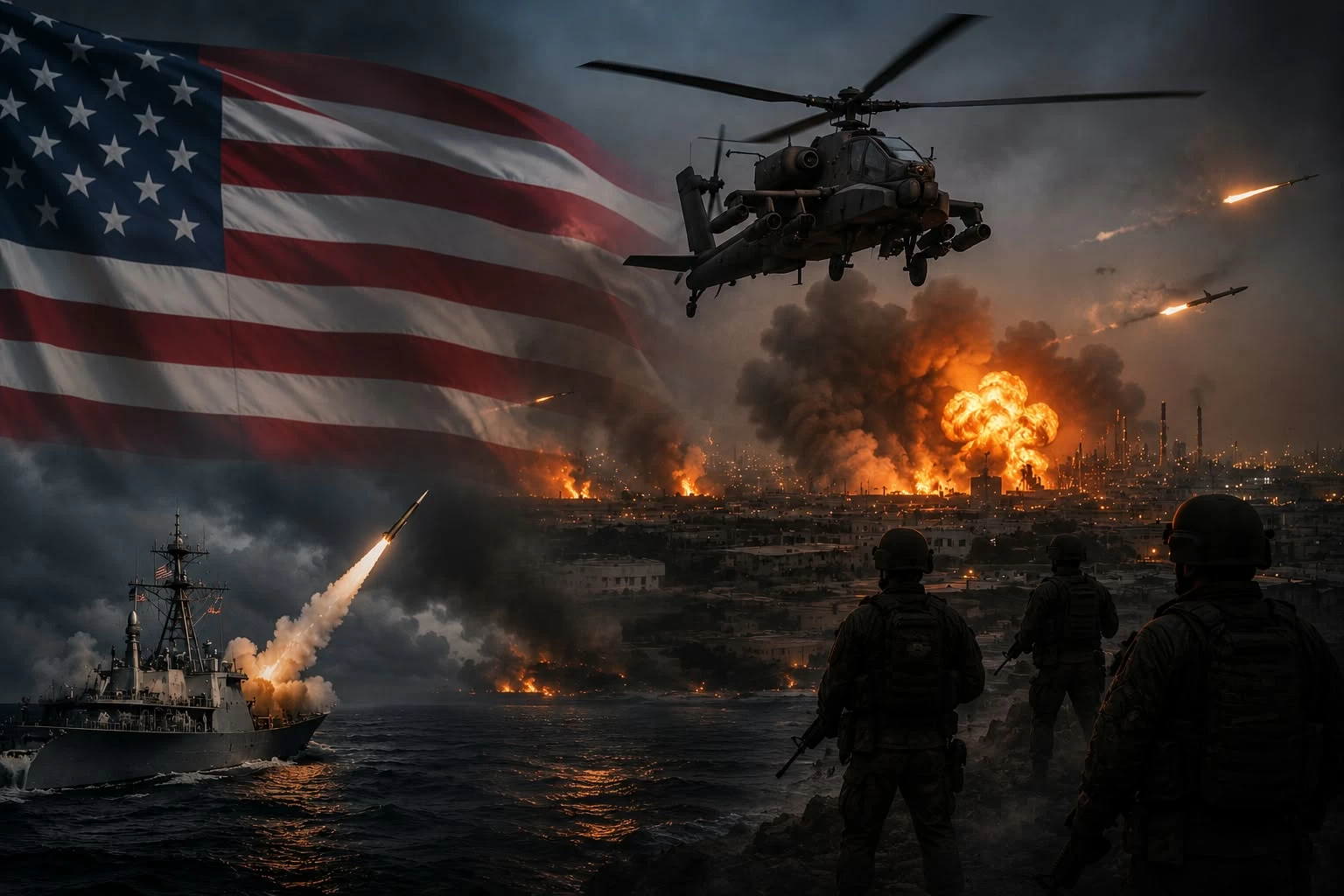
أعلنت القيادة المركزية الأمريكية بدء تنفيذ ضربات عسكرية ضد أهداف إيرانية، مؤكدة أن العملية جاءت «دفاعاً عن النفس» ورداً على ما وصفته بـ«العدوان الإيراني غير المبرر» الذي تمثل في إسقاط مروحية أباتشي تابعة للجيش الأمريكي.
وأكدت القيادة المركزية أن الضربات نُفذت بتوجيهات مباشرة من الرئيس الأمريكي دونالد ترمب، مشددة على أن المهمة تمثل «رداً متناسباً» مع الهجوم الإيراني، وأن الهدف منها حماية القوات والمصالح الأمريكية في المنطقة.
ضربات دفاعية ضد إيران
وقالت القيادة المركزية الأمريكية إن القوات الأمريكية بدأت تنفيذ «ضربات دفاعية» ضد إيران، موضحة أن العملية تأتي في إطار الدفاع عن النفس عقب إسقاط مروحية أباتشي أمريكية.
وأضافت أن الرد العسكري الأمريكي جاء بعد تقييم الموقف الميداني، مؤكدة أن واشنطن تعتبر الهجوم الإيراني عملاً عدائياً غير مبرر يستوجب الرد.
توجيهات مباشرة من ترمب
وفي أحدث المواقف الأمريكية، أكدت القيادة المركزية أن الضربات العسكرية ضد إيران جاءت بتوجيهات مباشرة من الرئيس ترمب، في إشارة إلى انخراط البيت الأبيض بشكل مباشر في إدارة الرد العسكري.
وشددت على أن العملية تهدف إلى توجيه رسالة ردع واضحة، مع التأكيد أن الرد الأمريكي يتناسب مع طبيعة الهجوم الذي تعرضت له القوات الأمريكية.
انفجارات في ميناء سيريك
بالتزامن مع الإعلان الأمريكي، أفادت وكالة «مهر» الإيرانية بسماع دوي انفجارات في منطقة ميناء سيريك جنوب إيران، مشيرة إلى أن طبيعة هذه الانفجارات ومصدرها لم تتضح بشكل كامل حتى الآن.
ويأتي التصعيد العسكري في وقت تتواصل فيه التصريحات الأمريكية التي تؤكد استمرار المسار التفاوضي مع إيران بشأن الملف النووي، إذ نقلت شبكة «سي بي إس نيوز» عن نائب الرئيس الأمريكي جي دي فانس قوله إن واشنطن ما زالت ترى إمكانية التوصل إلى اتفاق مع طهران، مؤكداً أن الهدف الأمريكي يتمثل في ضمان عدم امتلاك إيران سلاحاً نووياً مستقبلاً.
تمسك بالتفاوض رغم التصعيد
وأوضح فانس أن الإدارة الأمريكية تعتقد أنها باتت قريبة من التوصل إلى اتفاق مع إيران، مشيراً إلى أن المفاوضات لا تزال مستمرة وأن هناك تقدماً في بعض الملفات، رغم التصعيد العسكري الأخير.
وأكد أن الرئيس ترمب يثق بقدرته على التفاوض، وأن واشنطن لا تزال ترى فرصة للتوصل إلى تفاهمات جديدة مع طهران خلال الفترة القادمة.
The U.S. Central Command announced the start of military strikes against Iranian targets, confirming that the operation was carried out "in self-defense" and in response to what it described as "unjustified Iranian aggression," which involved the downing of an Apache helicopter belonging to the U.S. Army.
The Central Command emphasized that the strikes were executed under direct orders from President Donald Trump, stressing that the mission represents a "proportional response" to the Iranian attack, and that its aim is to protect U.S. forces and interests in the region.
Defensive Strikes Against Iran
The U.S. Central Command stated that U.S. forces have begun implementing "defensive strikes" against Iran, clarifying that the operation comes as part of self-defense following the downing of an American Apache helicopter.
It added that the U.S. military response came after assessing the field situation, confirming that Washington considers the Iranian attack an unjustified hostile act that warrants a response.
Direct Orders from Trump
In the latest U.S. positions, the Central Command confirmed that the military strikes against Iran were carried out under direct orders from President Trump, indicating the White House's direct involvement in managing the military response.
It emphasized that the operation aims to send a clear deterrent message, while affirming that the U.S. response is proportional to the nature of the attack faced by U.S. forces.
Explosions at Sirik Port
Coinciding with the U.S. announcement, the Iranian news agency "Mehr" reported hearing explosions in the Sirik port area in southern Iran, noting that the nature of these explosions and their source have not yet been fully clarified.
The military escalation comes at a time when U.S. statements continue to affirm the ongoing negotiation process with Iran regarding the nuclear file, as CBS News reported Vice President J.D. Vance saying that Washington still sees the possibility of reaching an agreement with Tehran, emphasizing that the U.S. goal is to ensure that Iran does not possess nuclear weapons in the future.
Commitment to Negotiation Despite Escalation
Vance explained that the U.S. administration believes it is close to reaching an agreement with Iran, pointing out that negotiations are still ongoing and that there has been progress in some areas, despite the recent military escalation.
He confirmed that President Trump trusts his ability to negotiate, and that Washington still sees an opportunity to reach new understandings with Tehran in the coming period.