في خطوة تصعيدية جديدة تجاه طهران، فرض الاتحاد الأوروبي اليوم (الإثنين) عقوبات على مسؤولين إيرانيين ووحدة تابعة للحرس الثوري، متهماً إياهم بتهديد حرية الملاحة في مضيق هرمز، وذلك للمرة الأولى بموجب نظام أوروبي جديد لحماية الممرات البحرية الدولية.
وتُعد هذه الخطوة الأولى من نوعها التي يستخدم فيها الاتحاد الأوروبي نظام العقوبات الجديد الخاص بحماية حرية الملاحة البحرية ضد جهات إيرانية، في إطار مساعيه للتصدي لأي إجراءات قد تؤثر على أمن النقل البحري الدولي.
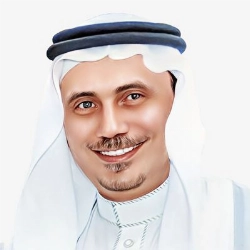
وأوضح الاتحاد الأوروبي، في بيان رسمي، أنه أدرج قيادة محافظة هرمزغان التابعة للقوات البحرية في الحرس الثوري الإيراني على قائمة العقوبات، إلى جانب كل من محمد أكبر زاده وحميد حسيني.
ووفقاً للبيان، يشغل أكبر زاده منصب نائب قائد الشؤون السياسية في القوات البحرية التابعة للحرس الثوري الإيراني، بينما يمثل حسيني اتحاد مصدري النفط والغاز والمنتجات البتروكيماوية الإيرانية.
وتأتي العقوبات في ظل التوترات المتصاعدة في المنطقة، بعدما اتخذت إيران إجراءات لإغلاق مضيق هرمز عقب بدء الضربات الأمريكية والإسرائيلية ضد أهداف داخل إيران في 28 فبراير الماضي، وفق ما أشار إليه البيان الأوروبي.
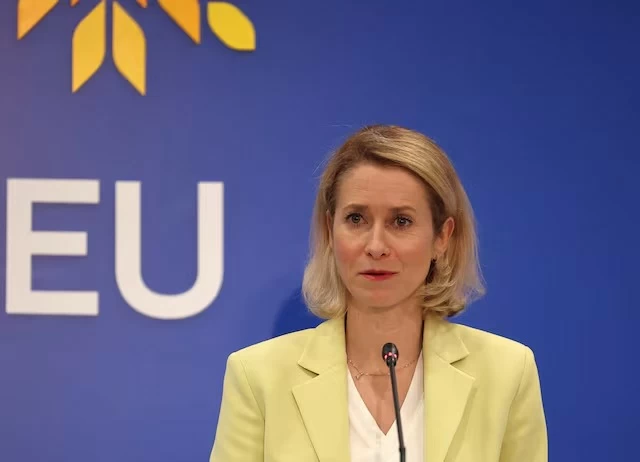
من جانبها، أكدت مسؤولة السياسة الخارجية في الاتحاد الأوروبي كايا كالاس أن الإجراءات الإيرانية المتعلقة بحركة العبور في المضيق «غير مقبولة»، مشيرة إلى أن الدول الأعضاء وافقت على فرض عقوبات بحق الجهات والأفراد المتورطين في تعطيل حركة النقل البحري عبر هذا الممر الحيوي.
وقالت كالاس، خلال مؤتمر صحفي عقدته في قبرص، إن هذه هي المرة الأولى التي يفعّل فيها الاتحاد الأوروبي نظامه الجديد المعني بحماية حرية الملاحة، مؤكدة أن بروكسل لن تتردد في استخدام هذه الآلية مجدداً عند الضرورة.
ويُنظر إلى مضيق هرمز باعتباره أحد أكثر الممرات البحرية حساسية في العالم، نظراً إلى دوره المحوري في نقل النفط والغاز من منطقة الخليج إلى الأسواق الدولية، ما يجعل أي اضطرابات فيه محل اهتمام ومتابعة من القوى الاقتصادية الكبرى.
In a new escalation towards Tehran, the European Union today (Monday) imposed sanctions on Iranian officials and a unit of the Revolutionary Guard, accusing them of threatening freedom of navigation in the Strait of Hormuz, marking the first time under a new European system to protect international maritime corridors.
This step is the first of its kind in which the European Union utilizes the new sanctions system aimed at protecting maritime navigation freedom against Iranian entities, as part of its efforts to counter any actions that may affect the security of international maritime transport.
The European Union clarified in an official statement that it has included the leadership of Hormozgan province of the Iranian Revolutionary Guard's naval forces on the sanctions list, along with Mohammad Akbarzadeh and Hamid Hosseini.
According to the statement, Akbarzadeh holds the position of Deputy Commander for Political Affairs in the naval forces of the Iranian Revolutionary Guard, while Hosseini represents the Iranian Oil, Gas, and Petrochemical Products Exporters Union.
The sanctions come amid escalating tensions in the region, after Iran took measures to close the Strait of Hormuz following the start of American and Israeli strikes against targets inside Iran on February 28, as indicated by the European statement.
For her part, the EU's foreign policy chief, Kaja Kallas, confirmed that Iran's actions regarding transit movement in the strait are "unacceptable," noting that member states agreed to impose sanctions on the entities and individuals involved in disrupting maritime transport through this vital corridor.
Kallas stated during a press conference held in Cyprus that this is the first time the EU has activated its new system aimed at protecting freedom of navigation, emphasizing that Brussels will not hesitate to use this mechanism again when necessary.
The Strait of Hormuz is viewed as one of the most sensitive maritime corridors in the world, due to its pivotal role in transporting oil and gas from the Gulf region to international markets, making any disruptions there a matter of concern and monitoring by major economic powers.