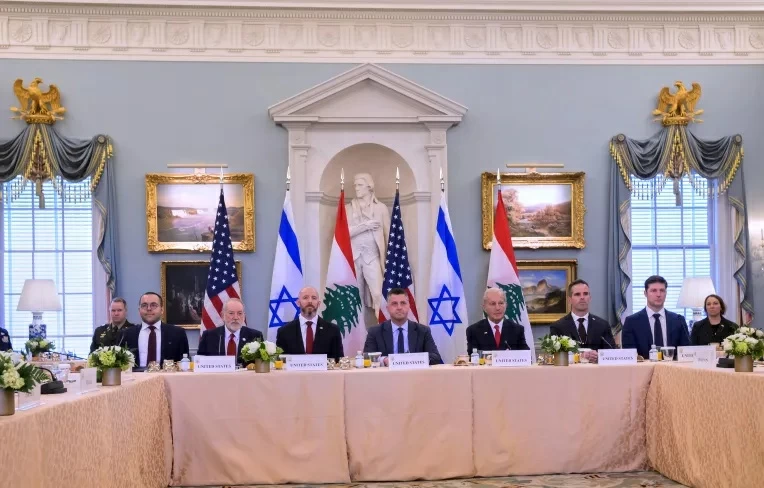
في خطوة خالفت كل التوقعات السياسية والميدانية، وتجاوزت أجواء التشويش والغموض، أعلنت وزارة الخارجية الأمريكية فجر اليوم (الخميس) التوصل إلى اتفاق مشترك بين لبنان وإسرائيل والولايات المتحدة لوقف إطلاق النار، وذلك بعد جلسة مفاوضات ماراثونية عُقدت يومي 2 و3 يونيو.
ويشكل هذا الاتفاق تحولاً إستراتيجياً بارزاً، إذ لم يقتصر على التهدئة العسكرية، بل وضع ركائز لعملية أمنية وسياسية تهدف إلى تفكيك البنية التحتية لحزب الله وإبعاد النفوذ الإيراني، تمهيداً لاتفاق سلام شامل.
بنود الاتفاق: شروط ميدانية و«مناطق تجريبية»
بناءً على نص البيان المشترك، يأتي وقف إطلاق النار مشروطاً بوقف كامل للعمليات من جانب حزب الله، وإخلاء جميع عناصره من منطقة جنوب الليطاني. ويتضمن الاتفاق خطة سريعة لإنشاء «مناطق تجريبية» (Pilot Zones) يتولى فيها الجيش اللبناني السيطرة الحصرية والفعالة على الأرض، مع استبعاد تام لأي جهات فاعلة غير حكومية.
وقد عكس الاتفاق رؤية مشتركة التزمت بها الحكومتان برعاية أمريكية مباشرة ومفصلة عن أي مسارات موازية، حيث أكد الطرفان رفضهما لأخذ مستقبل لبنان رهينة من قِبل أي دولة أو فصيل مسلح.
وتضمن الإطار الأمني تفكيك الجماعات المسلحة ومنع عودتها، مع إدانة جماعية صريحة للهجمات والأنشطة الإيرانية التي تقوض استقرار الشرق الأوسط.
الإستراتيجية الأمريكية: تفكيك تدريجي وفصل المسارات
تتقاطع بنود الاتفاق مع «الخطة السياسية» لإدارة الرئيس دونالد ترمب، والتي كشفت توازنا دقيقا يسعى إلى ضبط الإيقاع العسكري الإسرائيلي وتحويله إلى صفقة سياسية مستدامة. ورغم وصف ترمب لرئيس الوزراء الإسرائيلي بنيامين نتنياهو بـ«المجنون تماماً» في مكالمة حادة بسبب إصراره على مواصلة الحرب، إلا أن الطرفين يتوافقان على الهدف الإستراتيجي، وهو تجريد حزب الله من ترسانته وتفكيك سلاحه في عموم لبنان.
وفي شهادة حاسمة أمام الكونغرس، صاغ وزير الخارجية الأمريكي ماركو روبيو معادلة جديدة تصنف حزب الله «عدواً للبنان» وليس لإسرائيل وأمريكا فحسب، مشدداً على ضرورة أن يمتلك لبنان قوة مسلحة واحدة شرعية تتمثل في الجيش اللبناني، الذي تعهدت واشنطن بتقديمه دعماً عسكرياً ومالياً قوياً له لتمكينه من بسط سيادته واحتواء الحزب.
التداعيات والمواقف الإقليمية والداخلية
أثار الاتفاق ردود فعل متباينة، فبينما اعتبر وزير الدفاع الإسرائيلي كاتس الاتفاق إنجازاً كبيراً يتضمن إعلاناً قطاعاً بتفكيك سلاح الحزب، ووصفه السفير الإسرائيلي في واشنطن يحيئيل ليتر بأنه يعكس رغبة مشتركة لإخراج إيران من المنطقة، انتقد وزير الأمن القومي بن غفير الخطوة واصفاً إياها بـ «الخطأ الفادح»، مؤكداً استمرار العمليات الإسرائيلية على الأرض حالياً.
داخلياً، وضع هذا الاتفاق حزب الله في موقف حرج للغاية بين قبول الشروط أو مواجهة حرب بتغطية دولية ومحلية، وسط مؤشرات أولية من أوساطه تبدي صدمة سلبية ورفضاً مطلقاً، متمسكة بـ«لاءين»: لا وقف للنار من طرف واحد، ولا ترتيبات جنوب الليطاني دون انسحاب إسرائيلي. كما تتجه الأنظار إلى رئيس مجلس النواب نبيه بري، الذي يواجه ساعة الحقيقة، فهل ينجح مجدداً في إدارة التناقضات وحفظ الاستقرار؟
ينتظر هذا المسار محك التنفيذ مع اتجاه الطرفين لاستئناف المسارين السياسي والأمني في الأسبوع الذي يبدأ في 22 يونيو، ليبقى مصير الاستقرار معلقاً على مدى قدرة الدولة اللبنانية بدعم أمريكي على فرض واقع ميداني وسياسي جديد.
In a move that defied all political and field expectations, and transcended the atmosphere of confusion and ambiguity, the U.S. State Department announced early today (Thursday) the conclusion of a joint agreement between Lebanon, Israel, and the United States to cease hostilities, following a marathon negotiation session held on June 2 and 3.
This agreement marks a significant strategic shift, as it is not limited to military de-escalation, but lays the foundations for a security and political process aimed at dismantling Hezbollah's infrastructure and reducing Iranian influence, paving the way for a comprehensive peace agreement.
Agreement Terms: Field Conditions and "Pilot Zones"
According to the text of the joint statement, the ceasefire is conditional upon a complete halt to operations by Hezbollah and the withdrawal of all its members from the area south of the Litani River. The agreement includes a rapid plan to establish "Pilot Zones" where the Lebanese army will have exclusive and effective control over the territory, with a complete exclusion of any non-governmental actors.
The agreement reflects a shared vision committed to by both governments under direct American sponsorship, detailed without any parallel tracks, where both parties affirmed their rejection of allowing Lebanon's future to be held hostage by any state or armed faction.
The security framework includes dismantling armed groups and preventing their return, along with a clear collective condemnation of Iranian attacks and activities that undermine stability in the Middle East.
U.S. Strategy: Gradual Dismantling and Separation of Tracks
The terms of the agreement align with the "political plan" of President Donald Trump's administration, which revealed a delicate balance aimed at regulating Israeli military action and transforming it into a sustainable political deal. Despite Trump describing Israeli Prime Minister Benjamin Netanyahu as "completely crazy" in a sharp phone call due to his insistence on continuing the war, both sides agree on the strategic goal, which is to strip Hezbollah of its arsenal and dismantle its weapons throughout Lebanon.
In a crucial testimony before Congress, U.S. Secretary of State Marco Rubio formulated a new equation classifying Hezbollah as "an enemy of Lebanon" and not just of Israel and America, emphasizing the necessity for Lebanon to possess a single legitimate armed force represented by the Lebanese army, which Washington has pledged to provide strong military and financial support to enable it to assert its sovereignty and contain the party.
Implications and Regional and Domestic Positions
The agreement has elicited mixed reactions; while Israeli Defense Minister Katz considered it a significant achievement that includes a sectoral declaration for dismantling the party's weapons, Israeli Ambassador to Washington Ya'ir Lapid described it as reflecting a shared desire to expel Iran from the region. In contrast, National Security Minister Ben Gvir criticized the move, calling it a "grave mistake," affirming that Israeli operations on the ground will continue for now.
Domestically, this agreement has placed Hezbollah in a very precarious position between accepting the terms or facing a war with international and local cover, amid initial indications from its circles showing negative shock and absolute rejection, clinging to two "no's": no unilateral ceasefire, and no arrangements south of the Litani without an Israeli withdrawal. Attention is also turning to Speaker of the Parliament Nabih Berri, who faces a moment of truth; will he succeed once again in managing contradictions and preserving stability?
This path awaits a test of implementation as both parties are set to resume the political and security tracks in the week beginning June 22, leaving the fate of stability hanging on the Lebanese state's ability, with American support, to impose a new field and political reality.