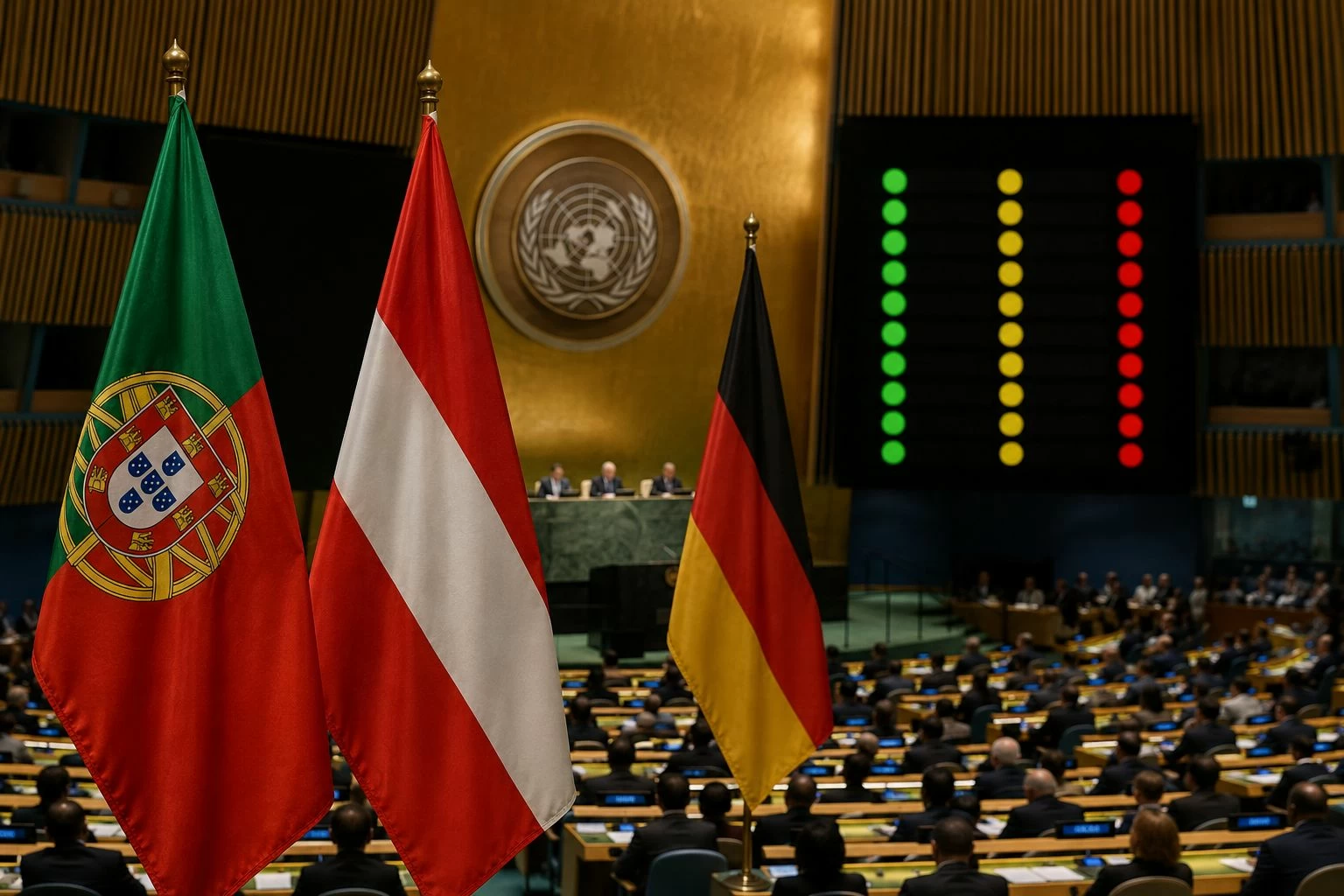
في تطور غير مسبوق، أخفقت ألمانيا للمرة الأولى في الحصول على مقعد غير دائم في مجلس الأمن الدولي، بعدما حصدت كل من البرتغال والنمسا غالبية الأصوات اللازمة خلال انتخابات الجمعية العامة للأمم المتحدة لشغل المقعدين المخصصين لدول أوروبا الغربية للفترة 2027-2028.
خسارة ألمانية غير مسبوقة
وشهدت الانتخابات تنافس ثلاثة مرشحين على مقعدين أوروبيين، إذ تمكنت البرتغال من الفوز بـ134 صوتاً، فيما حصلت النمسا على 131 صوتاً، متجاوزتين عتبة ثلثي الأصوات المطلوبة للفوز من الجولة الأولى.
في المقابل، اكتفت ألمانيا بـ104 أصوات فقط، لتسجل أول إخفاق لها في تاريخ مشاركاتها الساعية إلى عضوية المجلس، بعدما سبق أن شغلت المقعد ست مرات دون أن تواجه فشلاً انتخابياً مماثلاً.
مجلس الأمن.. 15 عضواً
ويتألف مجلس الأمن الدولي من 15 عضواً، بينهم خمسة أعضاء دائمون يتمتعون بحق النقض (الفيتو)، وهم الولايات المتحدة وروسيا والصين وفرنسا والمملكة المتحدة، إلى جانب عشرة أعضاء غير دائمين يتم انتخابهم لمدة عامين وفق نظام التوزيع الجغرافي المعتمد في الأمم المتحدة.
زيمبابوي وترينيداد وتوباغو تفوزان
وفي بقية نتائج الانتخابات، فازت زيمبابوي بالمقعد المخصص للمجموعة الإفريقية بعدما حصلت على 182 صوتاً، فيما نالت ترينيداد وتوباغو 181 صوتاً لتفوز بمقعد مجموعة دول أمريكا اللاتينية والكاريبي.
كما جرت جولة تصويت إضافية لحسم المقعد الآسيوي بين الفلبين وقرغيزستان، بعد عدم حسم المنافسة في الجولة الأولى.
أعضاء جدد اعتباراً من 2027
وستبدأ الدول الخمس المنتخبة مهامها في مجلس الأمن اعتباراً من الأول من يناير 2027، لتحل محل باكستان والصومال واليونان والدنمارك وبنما.
وستنضم هذه الدول إلى الأعضاء غير الدائمين المنتخبين للفترة 2026-2027، وهم البحرين وجمهورية الكونغو الديمقراطية وليبيريا ولاتفيا وكولومبيا، في وقت تتواصل فيه المنافسة الدولية على أحد أبرز مقاعد صنع القرار داخل الأمم المتحدة.
In an unprecedented development, Germany has failed for the first time to secure a non-permanent seat on the United Nations Security Council, after Portugal and Austria garnered the majority of votes during the United Nations General Assembly elections for the two seats allocated to Western European countries for the period 2027-2028.
Unprecedented German Loss
The elections saw three candidates competing for two European seats, with Portugal winning 134 votes, while Austria received 131 votes, surpassing the two-thirds majority required to win in the first round.
In contrast, Germany managed only 104 votes, marking its first failure in its history of seeking membership in the council, having previously held the seat six times without facing a similar electoral defeat.
The Security Council.. 15 Members
The United Nations Security Council consists of 15 members, including five permanent members with veto power: the United States, Russia, China, France, and the United Kingdom, along with ten non-permanent members elected for two-year terms based on the geographical distribution system adopted by the United Nations.
Zimbabwe and Trinidad and Tobago Win
In other election results, Zimbabwe won the seat allocated to the African group after receiving 182 votes, while Trinidad and Tobago secured 181 votes to win the seat for the Latin American and Caribbean group.
An additional voting round was held to determine the Asian seat between the Philippines and Kyrgyzstan, after the competition remained unresolved in the first round.
New Members Starting 2027
The five elected countries will begin their duties on the Security Council starting January 1, 2027, replacing Pakistan, Somalia, Greece, Denmark, and Panama.
These countries will join the non-permanent members elected for the 2026-2027 term, which include Bahrain, the Democratic Republic of the Congo, Liberia, Latvia, and Colombia, as international competition continues for one of the most prominent decision-making seats within the United Nations.