أفادت وكالة رويترز، نقلًا عن مصادر مطلعة، بأن مسؤولًا بارزًا في إدارة الرئيس الأمريكي دونالد ترمب قاد العام الماضي جهودًا لمحاولة حظر أجهزة التصويت المستخدمة في أكثر من نصف الولايات الأمريكية، عبر بحث إمكانية تصنيف مكوناتها باعتبارها تهديدًا للأمن القومي.
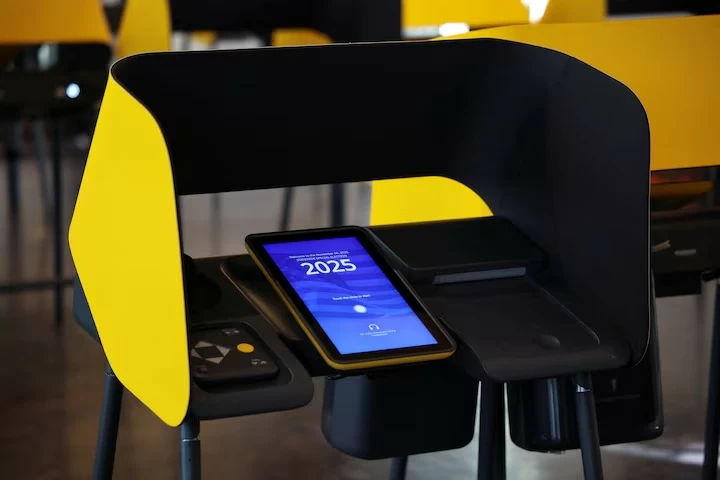
وبحسب المصادر، فإن المستشار في البيت الأبيض كورت أولسن، وهو محامٍ كلّفه ترمب بالتحقيق في مزاعم تزوير الانتخابات التي تم دحضها مرارًا، دفع باتجاه استهداف أجهزة شركة دومينيون لأنظمة التصويت، ضمن مناقشات أوسع حول كيفية منح الحكومة الفيدرالية سيطرة أكبر على إدارة الانتخابات بدلًا من الولايات، وهي فكرة سبق أن طرحها ترمب علنًا.
وقالت المصادر إن أولسن، كان يدعو إلى اعتماد نظام وطني قائم على بطاقات اقتراع ورقية تُفرز يدويًا، وهو مطلب يكرره ترمب باستمرار، رغم تحذيرات خبراء أمن الانتخابات من أن العد اليدوي قد يكون أقل دقة وأكثر عرضة للأخطاء والتلاعب مقارنة بالأنظمة الحالية المعتمدة على أجهزة إلكترونية مدعومة بسجلات ورقية قابلة للتدقيق.
وأوضحت المعلومات أن الخطة وصلت إلى مرحلة متقدمة دفعت مسؤولين في وزارة التجارة الأمريكية خلال سبتمبر الماضي إلى دراسة الأسس القانونية الممكنة لتنفيذها، قبل أن تتعثر لاحقًا بسبب فشل فريق أولسن في تقديم أدلة تدعم وجود تهديد أمني حقيقي.
وتأتي هذه التحركات ضمن حملة أوسع من إدارة ترمب للتدخل في صلاحيات الولايات والحكومات المحلية المسؤولة دستوريًا عن إدارة الانتخابات الأمريكية، في وقت يواصل فيه البيت الأبيض التحقيق في مزاعم تزوير انتخابي رغم رفضها سابقًا من المحاكم واللجان المستقلة من الحزبين.
وكشف تحقيق أجرته وكالة رويترز، أن مسؤولين اتحاديين ومحققين في ثماني ولايات على الأقل سعوا للحصول على سجلات سرية وضغطوا للوصول إلى معدات التصويت وإعادة فتح ملفات تتعلق باحتيال انتخابي سبق أن رُفضت قانونيًا.
وشملت المناقشات أيضًا مسؤولين مقربين من مديرة الاستخبارات الوطنية الأمريكية تولسي جابارد، من بينهم مساعدها البارز بول ماكنمارا، إضافة إلى برايان سيكما.
وبحسب المصادر، طلب ماكنمارا من وزارة التجارة دراسة إمكانية تصنيف الشرائح الإلكترونية والبرمجيات المستخدمة في أجهزة "دومينيون" باعتبارها خطرًا أمنيًا مرتبطًا بدول "معادية"، مثل الصين وروسيا وفنزويلا.
وكانت إحدى النظريات التي ركز عليها أولسن تقوم على مزاعم سبق دحضها تفيد بأن أجهزة «دومينيون» احتوت على برمجيات مرتبطة بفنزويلا ساهمت في سرقة انتخابات 2020 من ترمب.
إلا أن تحقيقات ودعاوى قضائية متعددة منذ ذلك الحين لم تجد أي دليل على تعرض الأجهزة للاختراق، فيما دفعت قناة Fox News عام 2023 نحو 787 مليون دولار لتسوية دعوى تشهير رفعتها «دومينيون»بسبب نشر مزاعم كاذبة حول تزوير الانتخابات.
ورغم ذلك، لا يزال ترمب يكرر هذه الادعاءات، كان آخرها في مايو الجاري عندما أعاد نشر مقطع قديم يتضمن اتهامات لأجهزة «دومينيون» بحذف ملايين الأصوات.
وفي تطور آخر، أشارت المصادر إلى أن فريق أولسن قام خلال عام 2025 بتفكيك بعض أجهزة التصويت المستخدمة في انتخابات حاكم بورتوريكو، بحثًا عن مكونات مصنّعة في دول تُعتبر خصومًا لواشنطن.
لكن الفحص كشف أن إحدى الشرائح الإلكترونية كانت مغلفة في الصين بواسطة شركة إنتل، بينما جاءت مكونات أخرى من اليابان وكوريا الجنوبية وماليزيا، دون العثور على أي مؤشرات تهدد الأمن القومي أو تثبت وجود برمجيات فنزويلية.
كما ناقش اجتماع عُقد داخل البيت الأبيض في سبتمبر الماضي، بحضور خبراء أمن إلكتروني من مجلس الأمن القومي، احتمال وجود أكواد فنزويلية داخل أجهزة التصويت، قبل أن تنتهي وزارة التجارة إلى عدم اتخاذ أي إجراء رسمي ضد الشركات المصنعة.
Reuters reported, citing informed sources, that a senior official in President Donald Trump's administration led efforts last year to attempt to ban voting machines used in more than half of U.S. states by exploring the possibility of classifying their components as a national security threat.
According to the sources, White House advisor Kurt Olsen, a lawyer tasked by Trump to investigate repeatedly debunked election fraud claims, pushed to target Dominion Voting Systems' machines as part of broader discussions on how to give the federal government greater control over election management instead of the states, an idea Trump had previously publicly suggested.
The sources stated that Olsen was advocating for a national system based on paper ballots that are manually counted, a demand that Trump continuously reiterates, despite warnings from election security experts that manual counting may be less accurate and more prone to errors and manipulation compared to current systems that rely on electronic devices supported by auditable paper records.
The information clarified that the plan reached an advanced stage that prompted officials at the U.S. Department of Commerce in September to explore the possible legal foundations for its implementation, before later stalling due to Olsen's team's failure to provide evidence supporting the existence of a real security threat.
These moves come as part of a broader campaign by the Trump administration to intervene in the powers of states and local governments constitutionally responsible for managing U.S. elections, at a time when the White House continues to investigate claims of electoral fraud, despite their previous rejection by courts and bipartisan independent committees.
A Reuters investigation revealed that federal officials and investigators in at least eight states sought to obtain confidential records and pressured for access to voting equipment and to reopen files related to election fraud that had previously been legally dismissed.
The discussions also included officials close to U.S. National Intelligence Director Tulsi Gabbard, including her senior aide Paul McNamara, as well as Brian Sikma.
According to the sources, McNamara requested the Department of Commerce to study the possibility of classifying the electronic chips and software used in "Dominion" machines as a security risk linked to "hostile" countries, such as China, Russia, and Venezuela.
One of the theories that Olsen focused on was based on previously debunked claims that "Dominion" machines contained software linked to Venezuela that contributed to stealing the 2020 election from Trump.
However, multiple investigations and lawsuits since then have found no evidence of the machines being hacked, while Fox News paid about $787 million in 2023 to settle a defamation lawsuit filed by "Dominion" for spreading false claims about election fraud.
Despite this, Trump continues to repeat these allegations, the latest being in May when he reposted an old clip that included accusations against "Dominion" machines of deleting millions of votes.
In another development, sources indicated that Olsen's team dismantled some voting machines used in the Puerto Rico gubernatorial election in 2025, searching for components manufactured in countries considered adversaries to Washington.
However, the examination revealed that one of the electronic chips was manufactured in China by Intel, while other components came from Japan, South Korea, and Malaysia, with no indicators found that threaten national security or prove the existence of Venezuelan software.
A meeting held inside the White House in September, attended by cybersecurity experts from the National Security Council, discussed the possibility of Venezuelan codes being present in the voting machines, before the Department of Commerce concluded not to take any official action against the manufacturing companies.