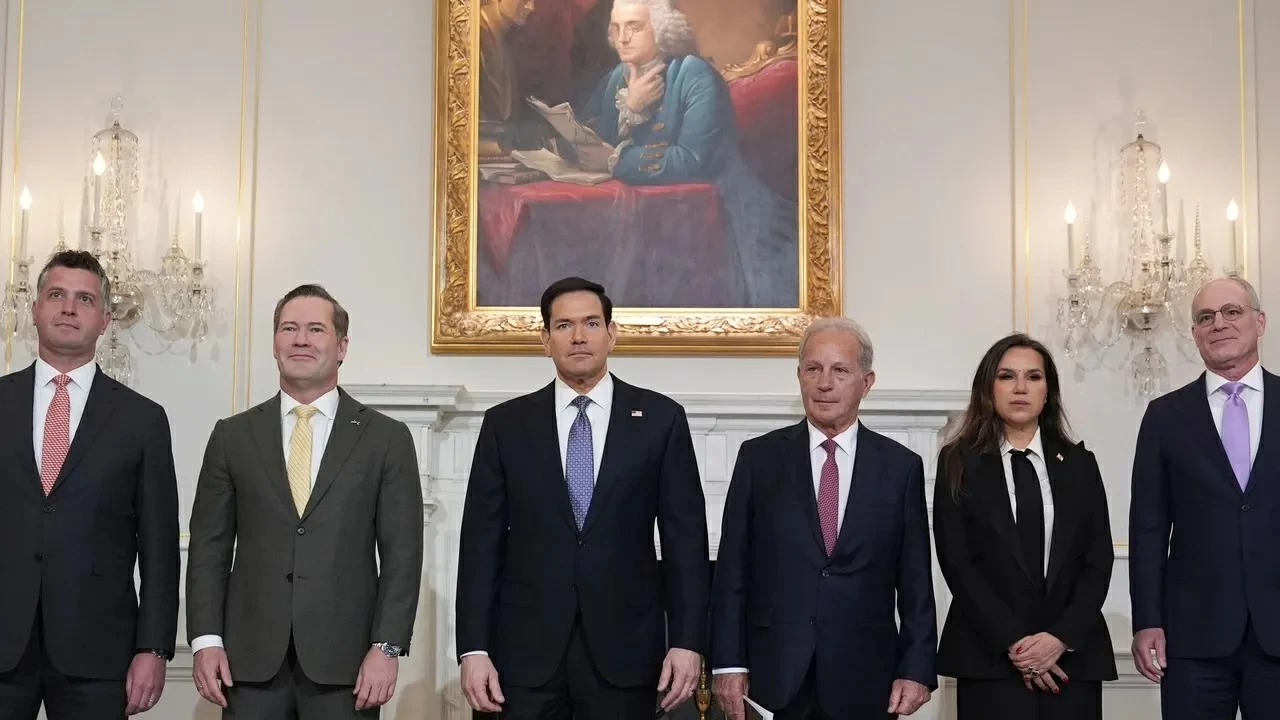
تلتئم الجولة الثانية من المفاوضات اللبنانية ـ الإسرائيلية على مستوى السفراء، غداً الخميس. وينضم إلى اللقاء، الذي يجمع السفيرة اللبنانية ندى معوض ونظيرها الإسرائيلي، السفير الأمريكي في بيروت ميشال عيسى ومستشار وزير الخارجية الأمريكي، في محاولة لترجمة المناخات الدبلوماسية إلى تفاهمات إجرائية ملموسة.
أجندة الطاولة: الهدنة وتشكيل الوفود
تتمحور أجندة الاجتماع حول نقطتين مفصليتين: الأولى هي تمديد وقف إطلاق النار لفترة زمنية تراوح بين أسبوعين وشهر، والثانية هي البحث في «هيكلية الوفود» التي ستتولى التفاوض التقني لاحقاً على مستوى المندوبين، إذ من المقرر أن يضم الوفد اللبناني السفيرين سيمون كرم وعبدالستار عيسى، إضافة إلى الدكتور بول سالم.
وفي هذا السياق، جدّد الرئيس اللبناني جوزف عون خلال الساعات الماضية تأكيد أن خياره هو «المفاوضات المباشرة»، مشدداً على أنها وسيلة لحل المشكلات وليست تنازلاً أو استسلاماً. في حين لم يتحدد بعد موعد لزيارة عون إلى واشنطن، لكن هذا لا يعني أنها ليست واردة.
فجوة سياسية عميقة
رغم الحراك الدبلوماسي، لا تزال الفجوة واسعة بين المطالب اللبنانية والشروط الإسرائيلية. فبينما يتمسك لبنان بانسحاب إسرائيلي كامل والتخلي عن «الخط الأصفر»، وإطلاق الأسرى، وترسيم الحدود البرية والبحرية، ترفع إسرائيل سقف شروطها لتشمل تفكيك البنية العسكرية لحزب الله، وضمان منطقة عازلة بإشراف جيشها، وصولاً إلى طلب تفاهمات اقتصادية في قطاع النفط والغاز لربط المصالح اللبنانية بها.
الميدان المفخخ يهدّد الطاولة
تنعقد هذه الجولة على وقع وضع ميداني هش في جنوب لبنان يهدّد بتقويض اتفاق وقف إطلاق النار في أي لحظة. فإلى جانب عمليات الهدم المنهجي، التي تنفذها إسرائيل، عاد حزب الله ليوجه رسائله العسكرية، إذ استهدف مربض مدفعية في مستوطنة «كفرجلعادي» بالصواريخ والمسيرات الانقضاضية، واستهدف بلدة «رب ثلاثين» ما يضع مفاوضات واشنطن أمام واقع حقيقي: هل تصمد الدبلوماسية أمام لغة المسيرات؟
The second round of Lebanese-Israeli negotiations at the ambassadorial level will take place tomorrow, Thursday. Joining the meeting, which brings together Lebanese Ambassador Nada Mawaad and her Israeli counterpart, will be the American ambassador in Beirut, Michel Aoun, and a senior advisor to the U.S. Secretary of State, in an attempt to translate the diplomatic atmospheres into tangible procedural understandings.
Agenda of the table: ceasefire and delegation formation
The agenda of the meeting revolves around two pivotal points: the first is the extension of the ceasefire for a period ranging between two weeks and a month, and the second is the discussion of the "structure of the delegations" that will later handle the technical negotiations at the delegate level, as the Lebanese delegation is expected to include ambassadors Simon Karam and Abdul Sattar Aissa, in addition to Dr. Paul Salem.
In this context, Lebanese President Joseph Aoun reiterated in recent hours that his choice is "direct negotiations," emphasizing that it is a means to solve problems and not a concession or surrender. While a date for Aoun's visit to Washington has not yet been determined, this does not mean it is not on the table.
A deep political gap
Despite the diplomatic movement, the gap remains wide between Lebanese demands and Israeli conditions. While Lebanon insists on a complete Israeli withdrawal and the abandonment of the "Blue Line," the release of prisoners, and the demarcation of land and maritime borders, Israel raises its conditions to include dismantling Hezbollah's military structure, ensuring a buffer zone under its army's supervision, and even requesting economic understandings in the oil and gas sector to tie Lebanese interests to it.
The minefield threatens the table
This round is taking place against the backdrop of a fragile field situation in southern Lebanon that threatens to undermine the ceasefire agreement at any moment. In addition to the systematic demolitions being carried out by Israel, Hezbollah has resumed sending military messages, targeting an artillery position in the settlement of "Kfar Jaladi" with rockets and drones, and targeting the town of "Rab Thalathin," which places the Washington negotiations in front of a real reality: can diplomacy withstand the language of drones?