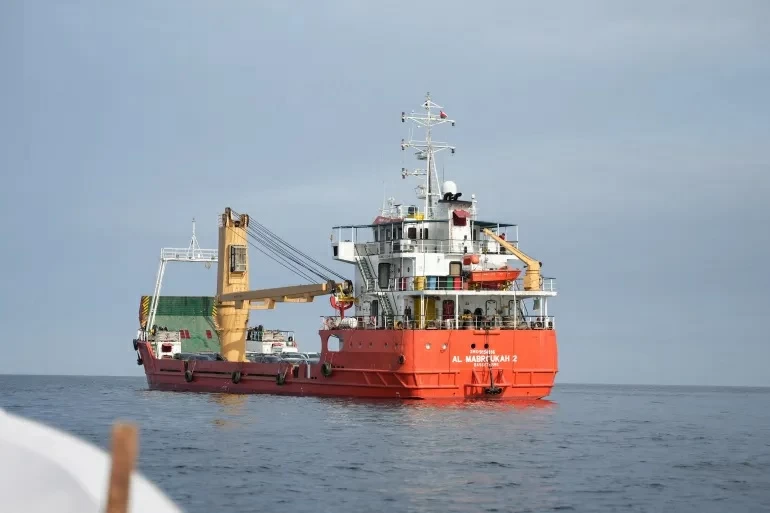
وسط مخاوف من الانزلاق نحو مواجهة أوسع، تتجه الأزمة بين واشنطن وطهران إلى تصعيد جديد مع إعلان واشنطن فرض حصار بحري على الموانئ الإيرانية، إثر فشل مفاوضات إسلام أباد.
معادلة جديدة في الممر البحري
وحدد مراقبون عسكريون الهدف الرئيسي من الحصار، بأنه يتمثل في منع إيران من فرض سياسة الأمر الواقع في مضيق هرمز، أو تحقيق مكاسب اقتصادية من التحكم في حركة السفن. ولفتوا إلى أن واشنطن تسعى لفرض معادلة جديدة في الممر البحري الحيوي.
وتأتي هذه الخطوة وفق رؤية المختصين، ضمن حملة ضغط متعددة المستويات لدفع إيران إلى القبول بشروط تتعلق بالبرنامج النووي وحرية الملاحة، بعد فشل جولة المفاوضات الأخيرة التي استمرت ساعات طويلة دون تحقيق أي اختراق.
وتحدثت تقارير أمريكية عن دراسة إدارة ترمب خيارات عسكرية مرافقة، بينها توجيه ضربات محدودة مع استبعاد القصف الشامل حالياً، في محاولة لتحقيق أقصى ضغط دون الانزلاق إلى حرب واسعة النطاق.
خنق صادرات النفط الإيراني
ويعتقد الخبراء أن القرار الأمريكي يحمل طابعاً اقتصادياً، لكن بأدوات عسكرية، إذ يستهدف خنق صادرات النفط الإيرانية عبر موانئها، خصوصاً في ظل اعتماد طهران الكبير على العائدات النفطية.
ويعكس توقيت الحصار، بعد حملة قصف استمرت 40 يوماً، تحولاً في الإستراتيجية الأمريكية نحو الضغط الاقتصادي المركّز، مؤكدين أن واشنطن تسعى لاستثمار هذا الضغط لإجبار إيران على العودة إلى المفاوضات بشروط أقل مرونة.
لكن هناك من يشككون في جدوى الحصار الكامل بالاستناد إلى المعطيات الجغرافية لإيران التي تمتلك حدوداً برية واسعة تتجاوز 6 آلاف كيلومتر، إضافة إلى منافذ بديلة مثل موانئ بحر قزوين، ما قد يحد من فعالية الحصار البحري.
التوجه نحو التصعيد
في مواجهة هذه التطورات، تتجه التصريحات الإيرانية نحو التصعيد، بعد أن هددت بأن أي منع لصادرات النفط ستقابَل برد عسكري مباشر، خصوصاً أنها ترى خطوة الحصار انتهاكاً لوقف النار. وحذرت من أن عبور السفن العسكرية الأجنبية سيواجَه بحزم، في مؤشر على احتمالات الاحتكاك الميداني.
وربط خبير إستراتيجي الحصار بسياق أوسع يتعلق بحرية الملاحة، لافتاً إلى أن الولايات المتحدة تسعى إلى إعادة تدفق التجارة عبر مضيق هرمز، الذي يمثل شرياناً حيوياً لإمدادات الطاقة العالمية. ورأى أن تطبيق الحصار قد يكون انتقائياً، بحيث يستهدف السفن المرتبطة بالنفط الإيراني مع السماح بمرور باقي السفن، في محاولة لتقليل الاضطراب في الأسواق، خصوصاً مع مخاوف من تأثير أي تعطيل واسع على الاقتصاد العالمي.
نقاط ضعف إيرانية
ويؤكد الخبراء أن الحصار يمثل محاولة لضرب نقطة الضعف الإيرانية، المتمثلة في الاعتماد على صادرات النفط، وأن واشنطن تراهن على الضغط الاقتصادي بدل المواجهة البرية المباشرة. إلا أن هذه الخطوة يمكن أن تدفع إيران إلى استخدام أوراق ضغط مقابلة، مثل تهديد ممرات بحرية أخرى أو استهداف منشآت اقتصادية في المنطقة، ما يوسع نطاق الأزمة ويزيد من تعقيداتها.
ويلفت هؤلاء إلى أن الخيارات الإيرانية تراوح بين ردود إستراتيجية مثل التلويح بإغلاق ممرات بحرية أخرى، وأخرى تكتيكية كاستهداف موانئ أو منشآت، لكنه يستبعد مواجهة مباشرة مع البحرية الأمريكية بسبب الفجوة في القدرات العسكرية.
عبور مدمرات مزودة بصواريخ
وتجيء هذه التطورات بالتزامن مع تحركات عسكرية أمريكية في المنطقة، بينها عبور مدمرات مزودة بصواريخ موجهة لمضيق هرمز ونشر قدرات إضافية لإزالة الألغام، في إطار ما تصفه واشنطن بجهود «تأمين الملاحة» وتشجيع تدفق التجارة.
وعلى خلفية هذه المشهد، يبدو أن الأزمة مرشحة لمزيد من التصعيد، إذ تسعى واشنطن إلى فرض معادلة ضغط اقتصادي وعسكري، فيما تسعى طهران لتجنب تقديم تنازلات تمسّ برنامجها النووي أو نفوذها الإقليمي.
وفي ضوء هذه الفجوة، فإن الأيام القادمة ستكون حاسمة في تحديد ما إن كان الحصار البحري سيقود إلى إعادة إحياء المسار الدبلوماسي، أم سيدفع إلى عودة القتال.
Amid fears of slipping into a broader confrontation, the crisis between Washington and Tehran is heading towards a new escalation with Washington's announcement of a maritime blockade on Iranian ports, following the failure of negotiations in Islamabad.
A New Equation in the Maritime Corridor
Military observers have identified the main objective of the blockade as preventing Iran from imposing a fait accompli in the Strait of Hormuz or gaining economic advantages from controlling shipping traffic. They noted that Washington seeks to establish a new equation in the vital maritime corridor.
This step, according to specialists, is part of a multi-level pressure campaign to push Iran to accept terms related to its nuclear program and freedom of navigation, following the failure of the recent round of negotiations that lasted for many hours without achieving any breakthrough.
American reports have indicated that the Trump administration is considering accompanying military options, including limited strikes while currently excluding comprehensive bombing, in an attempt to exert maximum pressure without slipping into a large-scale war.
Choking Iranian Oil Exports
Experts believe that the American decision has an economic character but employs military tools, as it aims to choke Iranian oil exports through its ports, especially given Tehran's heavy reliance on oil revenues.
The timing of the blockade, following a 40-day bombing campaign, reflects a shift in the American strategy towards concentrated economic pressure, emphasizing that Washington seeks to leverage this pressure to force Iran back to negotiations under less flexible terms.
However, there are those who doubt the effectiveness of a complete blockade based on Iran's geographical data, which has extensive land borders exceeding 6,000 kilometers, in addition to alternative outlets such as the Caspian Sea ports, which may limit the effectiveness of the maritime blockade.
Heading Towards Escalation
In light of these developments, Iranian statements are leaning towards escalation, having threatened that any prevention of oil exports will be met with a direct military response, especially as they view the blockade as a violation of the ceasefire. They warned that the passage of foreign military vessels will be met with firmness, indicating the potential for field friction.
A strategic expert linked the blockade to a broader context concerning freedom of navigation, noting that the United States aims to restore the flow of trade through the Strait of Hormuz, which represents a vital artery for global energy supplies. He suggested that the implementation of the blockade might be selective, targeting vessels associated with Iranian oil while allowing the passage of other ships, in an attempt to minimize disruption in the markets, especially with concerns over the impact of any widespread disruption on the global economy.
Iranian Weaknesses
Experts assert that the blockade represents an attempt to strike at Iran's weak point, which is its reliance on oil exports, and that Washington is betting on economic pressure rather than direct land confrontation. However, this step could push Iran to use counter-pressure tactics, such as threatening other maritime corridors or targeting economic facilities in the region, which would expand the scope of the crisis and increase its complexities.
They point out that Iran's options range from strategic responses, such as threatening to close other maritime corridors, to tactical ones like targeting ports or facilities, but they exclude direct confrontation with the U.S. Navy due to the gap in military capabilities.
Passage of Missile-Equipped Destroyers
These developments come amid U.S. military movements in the region, including the passage of missile-equipped destroyers through the Strait of Hormuz and the deployment of additional mine-clearing capabilities, as part of what Washington describes as efforts to "secure navigation" and encourage trade flow.
Against this backdrop, it seems that the crisis is poised for further escalation, as Washington seeks to impose a combination of economic and military pressure, while Tehran aims to avoid making concessions that would affect its nuclear program or regional influence.
In light of this gap, the coming days will be crucial in determining whether the maritime blockade will lead to a revival of the diplomatic track or push towards a return to fighting.