فيما يسعى الوسطاء إلى إنجاح المحادثات بين إيران وأمريكا من أجل وضع نهاية للحرب، حذّرت مصادر أمريكية مطلعة أن التصعيد العسكري ضد طهران قد يتزايد بشكل كبير إذا لم يتم إحراز تقدم في المحادثات.
تصاعد العمليات العسكرية
وأكدت المصادر أن العمليات العسكرية قد تتزايد إذا بقي مضيق هرمز مغلقاً من قبل الجانب الإيراني، وفق ما نقل أورد موقع (أكسيوس).
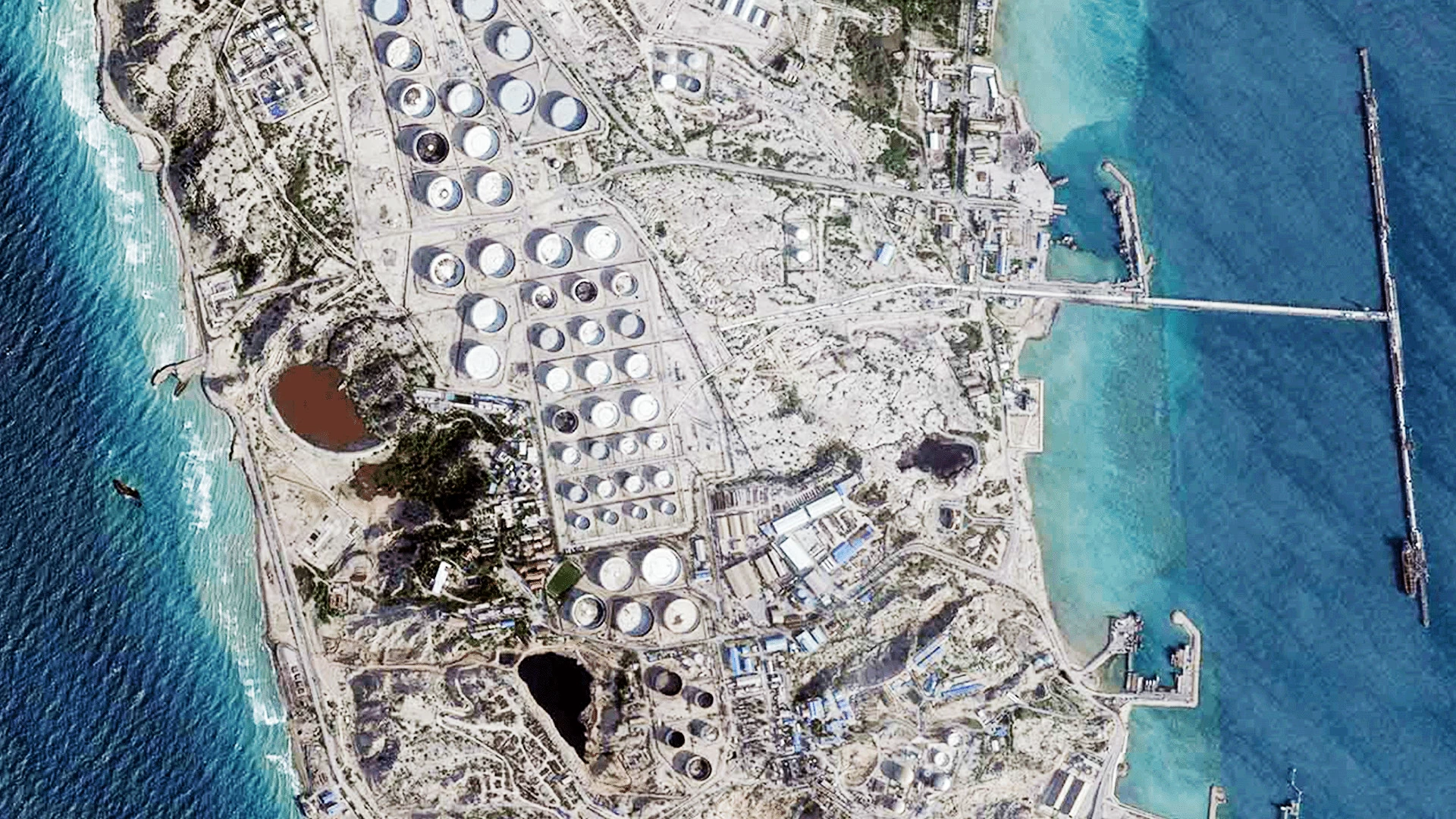
وأفادت المصادر بأن خيارات وزارة الدفاع الأمريكية قد تشمل استخدام القوات البرية وحملة قصف واسعة النطاق على مختلف الأراضي الإيرانية، فضلاً عن الاستيلاء أو حصار جزيرة (خارك) الإيرانية. وشددت على أن (البنتاغون) يستعد لتطوير خيارات عسكرية؛ بهدف توجيه ضربة قاضية لإيران.
تحويل أسلحة إلى الشرق الأوسط
وكشفت المصادر أن وزارة الدفاع الأمريكية تدرس تحويل مساعدات عسكرية مخصّصة لأوكرانيا إلى الشرق الأوسط. وأوضحت أن الأسلحة التي قد يعاد توجيهها تشمل صواريخ اعتراض للدفاع الجوي، طلبت عبر برنامج تابع لحلف الناتو، بحسب ما نقلت صحيفة (واشنطن بوست).
لكن المصادر أكدت أن أي قرار نهائي لم يتخذ بعد حول إعادة توجيه هذه المعدات، لكن تلك الخطوة تسلّط الضوء على التكاليف المتزايدة اللازمة لمواصلة الحرب ضد إيران.
تجنّب خوض حرب طويلة
وكشفت مصادر مطلعة أن الرئيس الأمريكي دونالد ترمب، أبلغ مقرّبين منه خلال الأيام الأخيرة أنه يريد تجنّب خوض حرب طويلة، ويأمل في إنهاء الصراع خلال الأسابيع القادمة.
ونقلت صحيفة (وول ستريت جورنال) عن مصادر مطلعة أن ترمب أبلغ مستشاريه بأنه يعتقد أن الصراع بات في مراحله الأخيرة، وحثّهم على الالتزام بالجدول الزمني من أربعة إلى ستة أسابيع الذي تحدث عنه علناً.
وأكدت المصادر أن مسؤولي البيت الأبيض خططوا لقمة تُعقد في منتصف شهر مايو القادم مع الرئيس الصيني شي جينبينغ، في بكين على أساس أن الحرب ستكون قد انتهت قبل بدء الاجتماع.
وأبدى ترمب هذا الأسبوع اهتماماً متجدداً بالتوصل إلى تسوية دبلوماسية لإنهاء الصراع مع الجانب الإيراني، متراجعاً عن تهديد أطلقه في عطلة نهاية الأسبوع بضرب محطات الكهرباء الإيرانية.
ومن بين الأفكار التي طرحها الرئيس الأمريكي على مستشاريه، ضمان حصول الولايات المتحدة على جزء من النفط الإيراني كجزء من أي اتفاق ينهي الحرب، لكن مسؤولاً كبيراً في الإدارة الأمريكية، قال إنه لا يوجد أي تخطيط فعلي لهذا الاحتمال حالياً.
توقعات بصدور أمر للقوات البرية
وكشف مسؤولون أمريكيون أن ترمب مستعد لإصدار أمر بدخول قوات أمريكية إلى الأراضي الإيرانية، لكنه متردد في ذلك؛ لأنه قد يعرقل هدفه بإنهاء الصراع سريعاً. كما أنه قلق من ارتفاع عدد القتلى أو الجرحى في صفوف القوات الأمريكية إذا استمرت الحرب.
وحذّر مقربون من الرئيس من أنه كثيراً ما يصعب التنبؤ بقراراته بشأن الحرب، لافتين إلى أنه تذبذب خلف الكواليس خلال الأسابيع الماضية بين تبني المسار الدبلوماسي وتصعيد الضربات العسكرية. وحثه بعض المقربين على التشدد أكثر، معتبرين أن تغيير النظام الإيراني قد يشكّل إنجازاً تاريخياً له.
ضغط عسكري ونشر آلاف الجنود
من جانبه، أفاد مسؤول أمريكي رفيع بأن ترمب وجّه الجيش بمواصلة الضغط على طهران، فيما عمد (البنتاغون) إلى نشر آلاف الجنود في الشرق الأوسط لتوفير خيارات عدة للرئيس، لافتاً إلى أنه بمجرد تمركز مزيد من الجنود ومشاة البحرية في مواقعهم، سيتمكن الرئيس سريعاً من إصدار أمر بتنفيذ غارة دقيقة، إما داخل الأراضي الإيرانية نفسها أو على جزيرة (خارك) -إحدى الجزر الواقعة على ساحل إيران الجنوبي-.
وكرر الرئيس ترمب مراراً خلال الفترة الماضية أنه سحق الدفاعات الإيرانية، ودمر الأسطول البحري والصواريخ. وأكد وجود مفاوضات مع طهران، متوعداً بـ«فتح أبواب الجحيم» عليها إن لم توافق على الشروط الأمريكية وتتوصل لاتفاق.
وتفجرت الحرب يوم 28 فبراير الماضي قبل يومين من جولة مفاوضات فنية مرتقبة بين إيران وأمريكا في فيينا، بعد سلسلة من المحادثات النووية غير المباشرة في جنيف وصفت بالصعبة والمعقدة.
As mediators strive to facilitate talks between Iran and the United States to end the war, informed American sources have warned that military escalation against Tehran could significantly increase if progress is not made in the discussions.
Escalation of Military Operations
The sources confirmed that military operations could escalate if the Strait of Hormuz remains closed by the Iranian side, according to what Axios reported.
The sources indicated that options for the U.S. Department of Defense may include the use of ground forces and a large-scale bombing campaign across various Iranian territories, as well as seizing or blockading the Iranian island of Khark. They emphasized that the Pentagon is preparing to develop military options aimed at delivering a decisive blow to Iran.
Redirecting Weapons to the Middle East
The sources revealed that the U.S. Department of Defense is considering redirecting military aid intended for Ukraine to the Middle East. They clarified that the weapons that may be redirected include air defense interceptors requested through a NATO program, according to what the Washington Post reported.
However, the sources confirmed that no final decision has yet been made regarding the redirection of this equipment, but this step highlights the increasing costs necessary to continue the war against Iran.
Avoiding a Long War
Informed sources revealed that President Donald Trump informed close associates in recent days that he wants to avoid engaging in a long war and hopes to end the conflict within the coming weeks.
The Wall Street Journal reported from informed sources that Trump told his advisors that he believes the conflict is in its final stages and urged them to adhere to the four to six-week timeline he publicly mentioned.
The sources confirmed that White House officials planned a summit to be held in mid-May with Chinese President Xi Jinping in Beijing, based on the assumption that the war would be over before the meeting begins.
This week, Trump expressed renewed interest in reaching a diplomatic settlement to end the conflict with Iran, backing away from a threat he made over the weekend to strike Iranian power stations.
Among the ideas that the American president proposed to his advisors was ensuring that the United States receives a portion of Iranian oil as part of any agreement that ends the war, but a senior administration official stated that there is currently no actual planning for this possibility.
Expectations of an Order for Ground Troops
American officials revealed that Trump is prepared to issue an order for American forces to enter Iranian territory, but he is hesitant to do so as it may hinder his goal of quickly ending the conflict. He is also concerned about the potential rise in casualties among American forces if the war continues.
Close associates of the president warned that his decisions regarding the war are often difficult to predict, noting that he has fluctuated behind the scenes in recent weeks between adopting a diplomatic path and escalating military strikes. Some close advisors urged him to take a tougher stance, considering that regime change in Iran could represent a historic achievement for him.
Military Pressure and Deployment of Thousands of Soldiers
For his part, a senior American official stated that Trump has directed the military to continue applying pressure on Tehran, while the Pentagon has deployed thousands of soldiers in the Middle East to provide multiple options for the president, noting that once more soldiers and Marines are stationed in their positions, the president will be able to quickly issue an order for a precise strike, either inside Iranian territory itself or on Khark Island—one of the islands located off Iran's southern coast.
President Trump has repeatedly stated in recent times that he has crushed Iranian defenses and destroyed their naval fleet and missiles. He confirmed that negotiations with Tehran are ongoing, threatening to "open the gates of hell" on them if they do not agree to American terms and reach an agreement.
The war erupted on February 28, just two days before a scheduled round of technical negotiations between Iran and the U.S. in Vienna, following a series of indirect nuclear talks in Geneva that were described as difficult and complex.