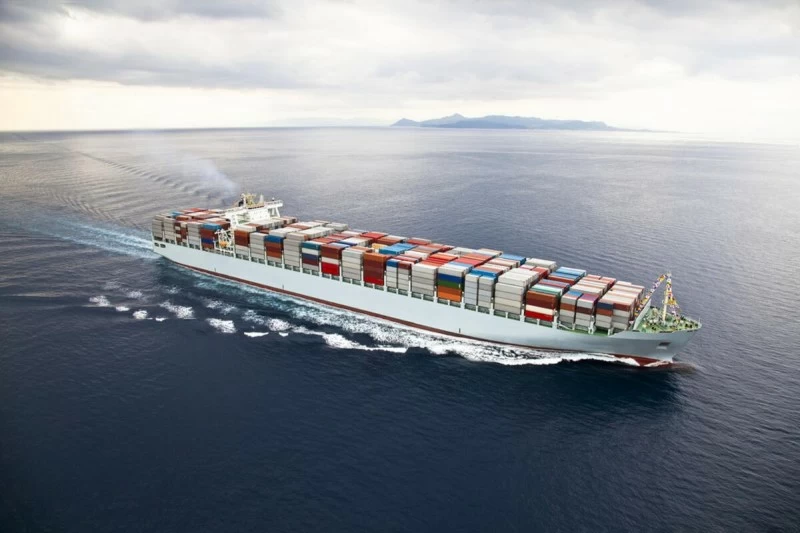
فيما تسعى باريس إلى حشد الدعم لتشكيل تحالف دولي لتأمين حركة الملاحة في منطقة الشرق الأوسط، أعلن وزير النقل الفرنسي فيليب تابارو، أن نحو 60 سفينة فرنسية عالقة حالياً في مياه الخليج، والبحر الأحمر.
وقال في تصريحات لوسائل إعلام فرنسية، اليوم (الجمعة)، إن هناك نحو 50 سفينة - 52 سفينة تحديداً - في مياه الخليج، وثماني سفن في البحر الأحمر، ونحن على اتصال دائم بأطقمها، إذ يوجد بحارة فرنسيون على متن عدد من هذه السفن.
وأدت الحرب إلى تعطل التجارة العالمية عبر مضيق هرمز، وهو شريان رئيسي تمر من خلاله نحو 20% من إمدادات النفط والغاز العالمية، ورغم أن المضيق لم يتم إغلاقه، إلا أن إيران حذرت من أنها ستطلق النار على أي سفينة ستحاول عبوره.
وقالت المنظمة البحرية الدولية إنها قلقة على نحو 20 ألف بحار في المنطقة، كما تضررت تسع سفن على الأقل في الضربات منذ بدء الصراع يوم السبت.
وأظهرت بيانات تتبع السفن أن عشرات السفن لا تزال راسية في المياه المفتوحة قبالة سواحل الدول المنتجة للنفط في الخليج، وأن عشرات ناقلات النفط كانت داخل المضيق.
وبدأ بحارة يونانيون إضراباً لمدة 24 ساعة أمس (الخميس)، ما أدى إلى توقف خدمات العبارات المحلية، تضامناً مع طواقم السفن العالقة في الخليج وسط تصاعد الحرب في الشرق الأوسط، وطالبوا بإعلان حالة الحرب الخطرة في المنطقة لتمكين هذه الطواقم من العودة.
As Paris seeks to rally support for forming an international coalition to secure navigation in the Middle East, French Transport Minister Philippe Tabaro announced that around 60 French ships are currently stranded in the waters of the Gulf and the Red Sea.
In statements to French media today (Friday), he said that there are about 50 ships - specifically 52 ships - in the Gulf waters, and eight ships in the Red Sea, and we are in constant contact with their crews, as there are French sailors on board some of these ships.
The war has disrupted global trade through the Strait of Hormuz, a major artery through which about 20% of global oil and gas supplies pass. Although the strait has not been closed, Iran has warned that it will fire on any ship attempting to cross it.
The International Maritime Organization stated that it is concerned for about 20,000 sailors in the region, and at least nine ships have been damaged in the strikes since the conflict began on Saturday.
Tracking data has shown that dozens of ships are still anchored in open waters off the coasts of oil-producing countries in the Gulf, and dozens of oil tankers were inside the strait.
Greek sailors began a 24-hour strike yesterday (Thursday), leading to the suspension of local ferry services in solidarity with the crews of the ships stranded in the Gulf amid the escalating war in the Middle East, and they called for a declaration of a dangerous war situation in the region to enable these crews to return.