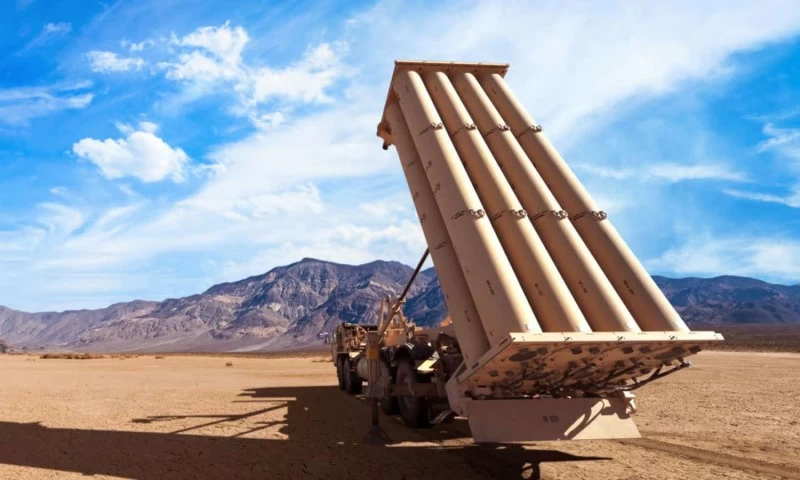
تبدو المواجهة العسكرية بين أمريكا وإسرائيل من جهة، وإيران من جهة أخرى، بمثابة «حرب استنزاف» للمخزون الصاروخي لدى كل منهم، إذ تسعى إسرائيل والولايات المتحدة إلى تدمير القدرات البالستية لإيران قبل أن تؤدي الهجمات الإيرانية إلى استنزاف مخزوناتهما من الصواريخ الاعتراضية.
400 صاروخ و1000 طائرة مسيّرة
وخلال أول يومين من الحرب، أطلقت طهران نحو 400 صاروخ وحوالى ألف طائرة مسيّرة باتجاه الإمارات والكويت والبحرين وقطر والأردن، بحسب بيانات جمعتها شركة «مينتل وورلد» المتخصصة في استخبارات المصادر المفتوحة، دون احتساب الصواريخ التي استهدفت إسرائيل.
وفي مواجهة هذه الهجمات، كثّفت الولايات المتحدة وإسرائيل ودول الخليج إطلاق صواريخ من أنظمة «ثاد» و«آرو-3» (السهم) و«باتريوت».
اعتراض مئات الصواريخ البالستية
من جانبه، قال رئيس هيئة الأركان المشتركة الأمريكية الجنرال دان كاين إن هذه الأنظمة «اعترضت مجتمعة مئات الصواريخ البالستية التي كانت تستهدف القوات الأمريكية وشركاءنا والاستقرار الإقليمي»، مؤكداً أن منظومات الدفاع الجوي والصاروخي «تعمل تماماً كما هو مخطط».
فيما يرى الجنرال الأمريكي المتقاعد سكوت بنديكت، الذي يعمل حالياً خبيراً في معهد الشرق الأوسط أن استمرار الحرب «يتوقف على من يملك المخزون الأكبر من الذخيرة».
استهداف منصات الإطلاق
بعد حرب الـ12 يوماً في يونيو الماضي، قُدّرت مخزونات الصواريخ الإيرانية القادرة على ضرب إسرائيل بحسب خبراء، بما يراوح بين بضع مئات ونحو ألفي صاروخ. يضاف إلى ذلك عدد كبير من الصواريخ البالستية قصيرة المدى، مثل «شهاب-2» و«فاتح-313».
وتستخدم طهران منصات إطلاق متحركة، دُمّر معظمها خلال حرب يونيو، وهي حالياً هدف لعمليات تعقب إسرائيلية وأمريكية.
ويتمثل الهدف في «استهداف الرامي بدلاً من السهام»، على حد تعبير وزير الحرب الأمريكي بيت هيغسيث، الذي أكد امتلاك «معلومات استخبارية عالية الدقة»، لافتاً إلى أن ذلك «لن يتحقق بين ليلة وضحاها، لأن ساحة المعركة واسعة».
رشقات إيران أقل كثافة
الباحث في «مؤسسة البحث الإستراتيجي» إتيان ماركوز، رأى أن الرشقات الإيرانية تبدو أقل كثافة مقارنة بالمواجهات السابقة في أبريل وأكتوبر 2024 ويونيو 2025. واعتبر أن تدني كثافة الرشقات يثير تساؤلات بشأن قدرات إيران الهجومية.
وتساءل: هل تحتفظ إيران بمخزونها «لإطالة أمد النزاع واستنزاف خصومها، أم أنها لم تعد قادرة على تنفيذ ضربات منسقة؟».
وأضاف أن عدداً غير قليل من الصواريخ لا يزال ينجح في اختراق الدفاعات، ما قد يشير إلى أن هذه الدفاعات لم تعد محكمة كما كانت، وأن الإسرائيليين يدركون بدورهم ضرورة الصمود عبر الاقتصاد في استخدام صواريخ الاعتراض.
خطر القدرة المتبقية
فيما أكد وزير الحرب الأمريكي أن الولايات المتحدة وحلفاءها يمتلكون كميات كافية من صواريخ الاعتراض للصمود على المدى الطويل.
وقال إن واشنطن حرصت لأشهر طويلة، وقبل بدء الانتشار، على توفير أقصى قدر من القدرات الدفاعية في مسرح العمليات، بما يمنح الرئيس ترمب هامش المناورة اللازم لاتخاذ قراراته المستقبلية.
ويؤكد خبراء أن الولايات المتحدة تمتلك الذخائر اللازمة لاستنزاف القدرات الهجومية الإيرانية، إلا أن المهاجم يتمتع بميزة، إذ يتطلب اعتراض كل صاروخ بالستي إطلاق «ما لا يقل عن صاروخين اعتراضيين» تحسباً لأي خلل، وربما أكثر في حال فشل المحاولة الأولى.
The military confrontation between the United States and Israel on one side, and Iran on the other, appears to be a "war of attrition" on the missile stockpiles of each side, as Israel and the United States seek to destroy Iran's ballistic capabilities before Iranian attacks deplete their stockpiles of interceptor missiles.
400 missiles and 1000 drones
During the first two days of the war, Tehran launched about 400 missiles and around a thousand drones towards the UAE, Kuwait, Bahrain, Qatar, and Jordan, according to data collected by the open-source intelligence company "Mintel World," not including the missiles targeting Israel.
In response to these attacks, the United States, Israel, and Gulf countries intensified the launch of missiles from the "THAAD," "Arrow-3," and "Patriot" systems.
Intercepting hundreds of ballistic missiles
For his part, U.S. Joint Chiefs of Staff Chairman General Dan Kaine stated that these systems "collectively intercepted hundreds of ballistic missiles that were targeting U.S. forces, our partners, and regional stability," affirming that the air and missile defense systems "are working exactly as planned."
Meanwhile, retired U.S. General Scott Benedict, who currently works as an expert at the Middle East Institute, believes that the continuation of the war "depends on who has the larger stockpile of ammunition."
Targeting launch platforms
After the 12-day war last June, experts estimated that Iranian missile stockpiles capable of striking Israel ranged from several hundred to about two thousand missiles. Additionally, there are a large number of short-range ballistic missiles, such as "Shahab-2" and "Fateh-313."
Tehran uses mobile launch platforms, most of which were destroyed during the June war, and they are currently targets for Israeli and American tracking operations.
The goal is to "target the shooter instead of the arrows," as expressed by U.S. Secretary of Defense Pete Hegseth, who confirmed possessing "high-precision intelligence," noting that this "will not be achieved overnight, as the battlefield is vast."
Less intense Iranian barrages
Researcher at the "Strategic Research Foundation" Etienne Markouz observed that the Iranian barrages appear less intense compared to previous confrontations in April and October 2024 and June 2025. He considered that the lower intensity of the barrages raises questions about Iran's offensive capabilities.
He wondered: Does Iran retain its stockpile "to prolong the conflict and exhaust its opponents, or is it no longer capable of executing coordinated strikes?"
He added that a considerable number of missiles still manage to penetrate defenses, which may indicate that these defenses are no longer as tight as they once were, and that the Israelis are also aware of the need to endure by conserving the use of interceptor missiles.
The danger of remaining capability
Meanwhile, the U.S. Secretary of Defense confirmed that the United States and its allies possess sufficient quantities of interceptor missiles to endure in the long term.
He stated that Washington has been keen for many months, prior to the deployment, to provide the maximum possible defensive capabilities in the theater of operations, giving President Trump the necessary maneuvering room to make his future decisions.
Experts affirm that the United States possesses the munitions necessary to deplete Iranian offensive capabilities, but the attacker has an advantage, as intercepting each ballistic missile requires launching "at least two interceptor missiles" in anticipation of any failure, and possibly more if the first attempt fails.