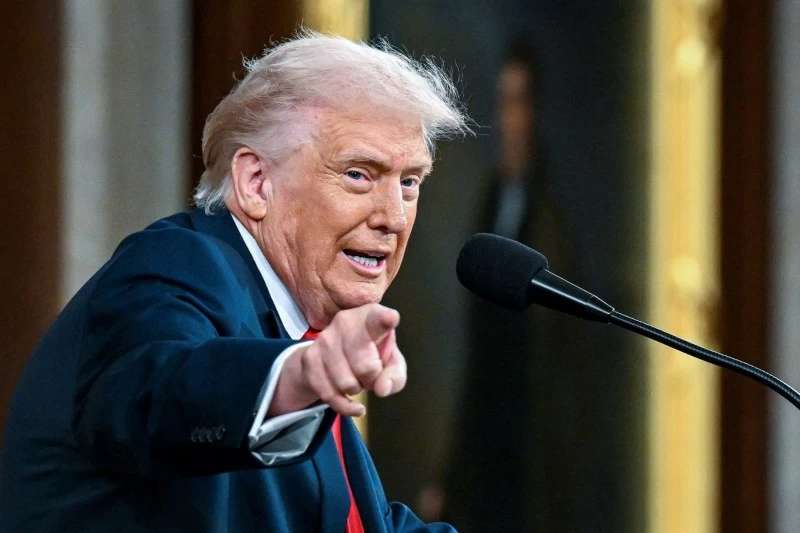
في تصعيد قضائي جديد لسياسات الهجرة، تقدمت إدارة الرئيس دونالد ترمب بطلب عاجل إلى المحكمة العليا الأمريكية للسماح بإنهاء «وضع الحماية المؤقتة» لنحو 6 آلاف مواطن سوري يقيمون في الولايات المتحدة، بما يمهد لترحيلهم بعد سنوات من الحماية القانونية.
وقدمت وزارة العدل الأمريكية مذكرة طارئة تطالب برفع قرار قضائي سابق أوقف تنفيذ إنهاء البرنامج، معتبرة أن استمرار الحماية المؤقتة يتعارض مع صلاحيات السلطة التنفيذية في إدارة ملف الهجرة.
معركة قضائية
وكانت القاضية الفيدرالية كاثرين بولك فايلا قد أصدرت في نوفمبر 2025 حكماً بوقف قرار الإدارة الأمريكية إنهاء الحماية المؤقتة للسوريين إلى حين الفصل النهائي في الدعوى القضائية، وهو القرار الذي أيدته لاحقاً محكمة الاستئناف الأمريكية للدائرة الثانية في 17 فبراير الجاري، بعد رفض طلب الحكومة تعليقه مؤقتاً.
ويأتي تحرك الإدارة أمام المحكمة العليا في محاولة لإلغاء قرارات المحاكم الأدنى والسماح بتنفيذ إنهاء البرنامج بشكل فوري.
قرار إنهاء الحماية
وتعود القضية إلى سبتمبر 2025 عندما أعلنت وزيرة الأمن الداخلي كريستي نويم إنهاء تصنيف سورية ضمن برنامج الحماية المؤقتة، معتبرة أن الأوضاع لم تعد تشكل تهديداً مباشراً للعائدين.
وأشارت إلى التغيرات السياسية التي شهدتها سورية بعد سقوط نظام بشار الأسد عام 2024، ومحاولات بناء مؤسسات حكومية جديدة بقيادة أحمد الشرع.
سياسة أوسع للهجرة
وتعد هذه الخطوة الثالثة من نوعها ضمن تحركات الإدارة لإنهاء برنامج الحماية المؤقتة لمهاجرين من عدة دول، في إطار سياسة تهدف إلى تشديد قوانين الهجرة وتقليص البرامج الإنسانية.
وترى الإدارة أن برنامج الحماية المؤقتة، الذي بدأ العمل به عام 1990، جرى التوسع في استخدامه بما يتجاوز أهدافه الأصلية، مؤكدة أن بعض المستفيدين لم يعودوا بحاجة إليه بعد تحسن الأوضاع في بلدانهم.
انتقادات وتحفظات
في المقابل، يرى منتقدون أن إنهاء الحماية يتجاهل استمرار حالة عدم الاستقرار في مناطق سورية عدة، ويحذرون من تداعيات إنسانية محتملة في حال تنفيذ القرار.
ومن المتوقع أن تصدر المحكمة العليا قرارها بشأن الطلب الطارئ خلال الفترة القادمة، في خطوة قد تحدد مستقبل آلاف السوريين المقيمين في الولايات المتحدة.
In a new judicial escalation of immigration policies, President Donald Trump's administration has filed an urgent request with the U.S. Supreme Court to allow the termination of "Temporary Protected Status" for approximately 6,000 Syrian nationals residing in the United States, paving the way for their deportation after years of legal protection.
The U.S. Department of Justice submitted an emergency memorandum calling for the lifting of a previous court ruling that halted the termination of the program, arguing that the continuation of temporary protection contradicts the executive branch's authority in managing immigration matters.
Judicial Battle
Federal Judge Katherine Polk Failla issued a ruling in November 2025 to stop the U.S. administration's decision to end temporary protection for Syrians until a final ruling is made in the lawsuit. This decision was later upheld by the U.S. Court of Appeals for the Second Circuit on February 17, after the government's request to temporarily suspend it was denied.
The administration's move to the Supreme Court is an attempt to overturn the lower court decisions and allow for the immediate implementation of the program's termination.
Decision to End Protection
The case dates back to September 2025 when Secretary of Homeland Security Kirstjen Nielsen announced the termination of Syria's designation under the Temporary Protected Status program, arguing that the conditions no longer posed a direct threat to returnees.
She pointed to the political changes in Syria following the fall of Bashar al-Assad's regime in 2024 and the attempts to build new governmental institutions led by Ahmad al-Shara.
Broader Immigration Policy
This step marks the third of its kind in the administration's efforts to end the Temporary Protected Status program for migrants from several countries, as part of a policy aimed at tightening immigration laws and reducing humanitarian programs.
The administration believes that the Temporary Protected Status program, which has been in effect since 1990, has been expanded beyond its original objectives, asserting that some beneficiaries no longer need it following improvements in their home countries.
Criticism and Reservations
In contrast, critics argue that ending the protection ignores the ongoing instability in several regions of Syria and warn of potential humanitarian consequences if the decision is implemented.
The Supreme Court is expected to issue its ruling on the emergency request in the coming period, a step that could determine the future of thousands of Syrians residing in the United States.