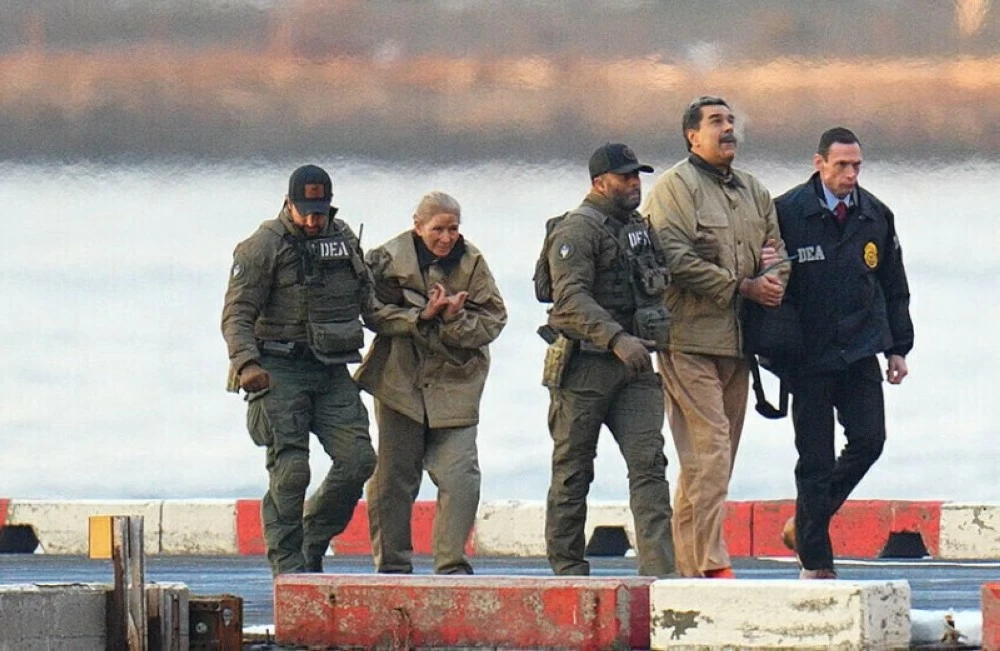
أعلنت محكمة اتحادية في نيويورك تأجيل الجلسة الثانية في القضية الجنائية ضد الرئيس الفنزويلي السابق نيكولاس مادورو وزوجته سيليا فلوريس، من يوم 17 مارس إلى 26 مارس، وذلك لأسباب تتعلق بالتخطيط والتنسيق اللوجستي.
ووفقاً لوثائق المحكمة التي تم تقديمها الثلاثاء، تقدمت النيابة العامة في المنطقة الجنوبية من نيويورك بطلب التأجيل، مشيرة إلى «مشكلات في الجدول الزمني والتنظيم اللوجستي» دون الخوض في تفاصيل إضافية، وقد وافقت الدفاع على الطلب، وأقره القاضي ألفين هيلرشتاين، الذي يرأس الجلسات في هذه القضية البارزة.
ومن المتوقع أن يحضر مادورو (63 عاماً) وزوجته (69 عاماً) الجلسة الجديدة في تمام الساعة 11 صباحاً بتوقيت نيويورك، حيث ستكون هذه الجلسة استكمالاً للإجراءات التمهيدية قبل بدء المحاكمة الفعلية.
اتهامات منذ سنوات
ويعود أصل الملاحقة القضائية إلى عام 2020، عندما وجهت وزارة العدل الأمريكية اتهامات لمادورو وعدد من كبار مسؤولي حكومته بـ«الإرهاب المخدرات»، والتآمر لتهريب كميات هائلة من الكوكايين إلى الولايات المتحدة، بالإضافة إلى تهم أخرى تشمل غسل الأموال والتآمر على استيراد المخدرات.
وتقدر السلطات الأمريكية أن نظام مادورو سهّل نقل مئات الأطنان من الكوكايين عبر فنزويلا بمساعدة جماعات مسلحة وميليشيات.
لكن التطور الدراماتيكي الأكبر حدث في 3 يناير، عندما نفذت قوات أمريكية عملية عسكرية خاطفة في كاراكاس أدت إلى احتجاز مادورو وزوجته ونقلهما إلى نيويورك، وقد وصف الرئيس الأمريكي دونالد ترامب العملية بأنها «ضربة حاسمة ضد الجريمة المنظمة والديكتاتورية في نصف الكرة الغربي».
مادورو يرفض الاتهامات الأمريكية
وفي جلسة أولى عقدت يوم 5 يناير، مثل مادورو أمام المحكمة مكبل اليدين والقدمين، وأعلن رفضه للاتهامات وقال إنه «أسير حرب» و«لا يزال الرئيس الشرعي لفنزويلا»، كما دفع هو وزوجته ببراءتهما من جميع التهم، وأمر القاضي حينها بحبسهما في مركز الاحتجاز الاتحادي في بروكلين حتى الجلسة التالية.
ويُنظر إلى القضية على أنها واحدة من أكثر القضايا السياسية-الجنائية تعقيداً في تاريخ العلاقات الأمريكية-اللاتينية، وسط جدل دولي حول شرعية العملية العسكرية التي أدت إلى احتجازه، وتداعياتها على الوضع السياسي في فنزويلا التي دخلت مرحلة انتقالية بعد سقوط نظامه.
A federal court in New York announced the postponement of the second session in the criminal case against former Venezuelan President Nicolás Maduro and his wife Cilia Flores, from March 17 to March 26, due to planning and logistical coordination issues.
According to court documents submitted on Tuesday, the Southern District of New York's prosecution requested the postponement, citing "issues with scheduling and logistical organization" without providing further details. The defense agreed to the request, and it was approved by Judge Alvin Hellerstein, who presides over the sessions in this high-profile case.
Maduro (63 years old) and his wife (69 years old) are expected to attend the new session at 11 a.m. New York time, where this session will continue the preliminary proceedings before the actual trial begins.
Charges for Years
The origins of the prosecution date back to 2020, when the U.S. Department of Justice charged Maduro and several senior officials in his government with "drug-related terrorism" and conspiracy to smuggle vast quantities of cocaine into the United States, along with other charges including money laundering and conspiracy to import drugs.
U.S. authorities estimate that Maduro's regime facilitated the transport of hundreds of tons of cocaine through Venezuela with the help of armed groups and militias.
However, the most dramatic development occurred on January 3, when U.S. forces carried out a swift military operation in Caracas that led to the detention of Maduro and his wife and their transfer to New York. U.S. President Donald Trump described the operation as "a decisive blow against organized crime and dictatorship in the Western Hemisphere."
Maduro Rejects U.S. Charges
In an initial session held on January 5, Maduro appeared in court handcuffed and shackled, declaring his rejection of the charges and stating that he is a "prisoner of war" and "still the legitimate president of Venezuela." He and his wife pleaded not guilty to all charges, and the judge ordered their detention at the federal detention center in Brooklyn until the next session.
The case is viewed as one of the most complex political-criminal cases in the history of U.S.-Latin American relations, amid international controversy over the legitimacy of the military operation that led to his detention and its implications for the political situation in Venezuela, which has entered a transitional phase following the fall of his regime.