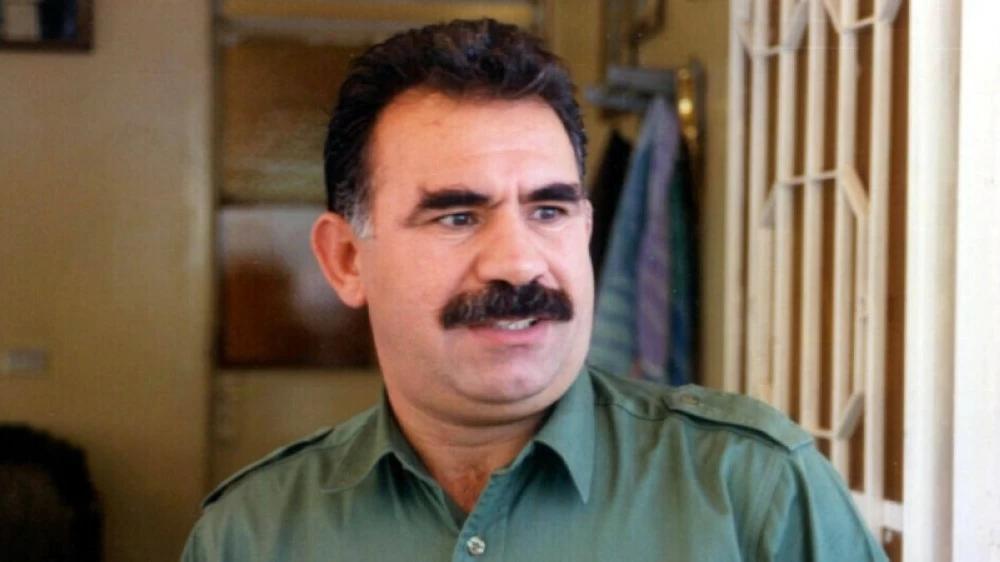
أعلن زعيم حزب العمال الكردستاني عبدالله أوجلان انتهاء المرحلة الأولى من حل الحزب والكفاح المسلح، وبدء التركيز على الاندماج ومناقشة السبل المستقبلية.
وقال عضو وفد إمرالي عن حزب المساواة وديمقراطية الشعوب (دام) التركي مدحت سنجار الذي نقل الرسالة الجديدة للزعيم الكردي الذي التقاه أمس الإثنين في سجنه، إن اللقاء أتى تحت مسمى «اجتماع بدء الاندماج».
وأضاف سنجار أن أوجلان قيّم الـ16 شهراً الماضية من العملية، وقال: «لقد انتهت المرحلة الأولى التي كانت تتعلق بقرار حل التنظيم والكفاح المسلح».
ولفت أوجلان إلى أن الحزب دخل الآن المرحلة الثانية، التي يتم فيها التركيز على بُعد الاندماج ومناقشة السبل التي يجب اتخاذها من الآن فصاعداً.
وحسب سنجار، فإن الجزء الثاني من اللقاء تطرق إلى القضية السورية، إذ اعتبر أوجلان أن اتفاق 10 مارس 2026، شكل الإطار الرئيس للمفاوضات بين القوات الكردية ودمشق.
وتحدث وفد إمرالي عن أهمية مشاركة مظلوم عبدي، القائد العام لقوات سورية الديمقراطية (قسد)، وإلهام أحمد في مؤتمر ميونخ للأمن. وقال سنجار: إن حضور الأكراد بصفتهم فاعلاً مشتركاً مع الوفد السوري في ذلك المؤتمر هو دليل على أن الأكراد يثبتون مكانتهم في مستقبل سورية.
ورأى سنجار أن الشرق الأوسط يعاد تشكيله من جديد بعد 110 سنوات من اتفاقية سايكس-بيكو. واعتبر أن الصورة التي ظهرت في ميونخ كانت لفتح طريق يُعترف فيه بحقوق الأكراد ومكانتهم.
ولفت إلى أن خطاب وزير الخارجية الأمريكي ماركو روبيو في المؤتمر حمل دلالات واضحة جداً حول كيفية نظر واشنطن إلى مستقبل المنطقة.
يذكر أنه بعد محادثات مع السلطات التركية عبر حزب المساواة وديمقراطية الشعوب في أكتوبر 2024، أعلن العمال الكردستاني حل نفسه في مايو الماضي تلبية لدعوة مؤسسه، بعد أكثر من 4 عقود من القتال ضد القوات التركية، خلّفت نحو 50 ألف قتيل.
وشكّلت تركيا في أغسطس الماضي لجنة برلمانية للعمل على وضع القواعد الأساسية لعملية السلام مع العمال الكردستاني، التي تتضمن إعداد الإطار القانوني لانتقال الحزب ومقاتليه إلى العمل السياسي.
The leader of the Kurdistan Workers' Party, Abdullah Öcalan, announced the end of the first phase of the party's dissolution and armed struggle, and the beginning of a focus on integration and discussing future paths.
Member of the Imrali delegation from the Peoples' Equality and Democracy Party (HDP) in Turkey, Medhat Şengör, who conveyed the new message from the Kurdish leader he met yesterday, Monday, in his prison, stated that the meeting was titled "Meeting to Start Integration."
Şengör added that Öcalan evaluated the past 16 months of the process, saying: "The first phase concerning the decision to dissolve the organization and armed struggle has ended."
Öcalan pointed out that the party has now entered the second phase, which focuses on the aspect of integration and discussing the steps that should be taken from now on.
According to Şengör, the second part of the meeting addressed the Syrian issue, as Öcalan considered that the agreement of March 10, 2026, formed the main framework for negotiations between the Kurdish forces and Damascus.
The Imrali delegation discussed the importance of the participation of Mazloum Abdi, the commander of the Syrian Democratic Forces (SDF), and Ilham Ahmed in the Munich Security Conference. Şengör stated that the presence of the Kurds as a joint actor with the Syrian delegation at that conference is evidence that the Kurds are asserting their position in the future of Syria.
Şengör viewed that the Middle East is being reshaped anew after 110 years since the Sykes-Picot Agreement. He considered that the image that emerged in Munich was to open a path that recognizes the rights and status of the Kurds.
He pointed out that the speech of U.S. Secretary of State Marco Rubio at the conference carried very clear implications about how Washington views the future of the region.
It is noteworthy that after talks with Turkish authorities through the Peoples' Equality and Democracy Party in October 2024, the Kurdistan Workers' Party announced its self-dissolution last May in response to a call from its founder, after more than 4 decades of fighting against Turkish forces, which resulted in around 50,000 deaths.
Turkey formed a parliamentary committee last August to work on establishing the basic rules for the peace process with the Kurdistan Workers' Party, which includes preparing the legal framework for the transition of the party and its fighters to political work.