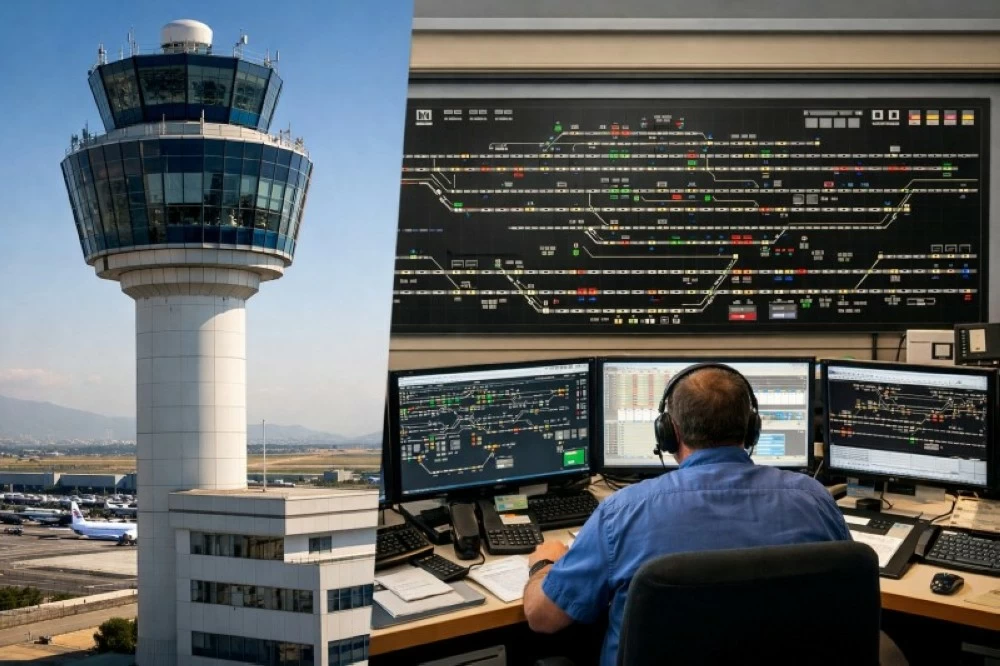
أفادت هيئة الإذاعة والتلفزيون اليونانية، اليوم (الإثنين)، أن النيابة العامة في أثينا أمرت بفتح تحقيق أولي عاجل في العطل الفني الخطير الذي أصاب ترددات الاتصالات الجوية في المجال الجوي اليوناني، أمس (الأحد)، مما أدى إلى إغلاق شبه كامل للمجال الجوي، وتعليق الرحلات الجوية في جميع المطارات اليونانية، وتسبب في فوضى مرورية جوية واسعة النطاق أثرت على آلاف المسافرين داخل اليونان وخارجها.
وبدأت المشكلة في نحو الساعة 08:59 صباحاً بالتوقيت المحلي، إذ تعرضت معظم ترددات الراديو الجوية المستخدمة في منطقة معلومات الطيران أثينا لتشويش هائل ومستمر وصف بـ«ضوضاء غير إرادية مستمرة»، مما جعل الاتصال بين الطيارين وأبراج المراقبة مستحيلاً تقريباً.
واضطرت السلطات إلى إصدار إشعار للطيارين يقيد الرحلات بشكل كبير، إذ سُمح فقط ببعض الرحلات العابرة تحت إدارة دول مجاورة، بينما تم تعليق الإقلاع والوصول في مطارات أثينا الدولي، سالونيك، هيراكليون، رودس وغيرها.
عطل جوي استمر لساعات
وتمكنت السلطات من استعادة التشغيل التدريجي خلال ساعات المساء باستخدام ترددات احتياطية، لكن التأثير امتد إلى إلغاء وتأخير مئات الرحلات، وتحويل طائرات قادمة إلى مطارات في إيطاليا، قبرص، تركيا، ألبانيا وغيرها.
وأمر رئيس نيابة الجنح في أثينا أرستيديس كورياس بإجراء التحقيق السريع، الذي سيتولاه قسم الجرائم الإلكترونية بالشرطة، لتحديد مصدر التشويش الذي أثر على «جميع الترددات تقريباً» داخل المجال الجوي اليوناني.
البحث في جريمة محتملة
ويهدف التحقيق إلى التحقق مما إذا كانت الحادثة تشكل تدخلاً خطيراً في سلامة النقل الجوي وجريمة جنائية محتملة، أو كانت ناتجة عن عطل فني داخلي في البنية التحتية القديمة لنظام الاتصالات الجوية.
ولم يتم الإبلاغ عن أي خطر مباشر على سلامة الرحلات، إذ بقيت أنظمة الرادار والـGPS عاملة، وتم تفعيل بروتوكولات الطوارئ بسرعة، لكن الحادثة أبرزت هشاشة البنية التحتية في ظل حركة مرور جوي كثيفة بعد عطلة رأس السنة.
وشهدت اليونان في السنوات الأخيرة انتقادات متكررة من نقابات مراقبي الحركة الجوية بسبب قدم أنظمة الرادار والاتصالات، رغم أنها تتوافق مع المعايير الأوروبية، وأعلن وزير البنية التحتية والنقل كريستوس ديماس أن خطة تحديث شاملة لأنظمة الملاحة الجوية جارية حتى عام 2028.
The Greek Radio and Television Authority reported today (Monday) that the public prosecutor in Athens has ordered an urgent preliminary investigation into the serious technical malfunction that affected air communication frequencies in Greek airspace yesterday (Sunday), leading to a near-total closure of the airspace, the suspension of flights at all Greek airports, and causing widespread air traffic chaos that impacted thousands of travelers both within Greece and abroad.
The problem began around 08:59 AM local time, as most of the air radio frequencies used in the Athens Flight Information Region experienced massive and continuous interference described as "continuous involuntary noise," making communication between pilots and control towers nearly impossible.
Authorities were forced to issue a notice to pilots that significantly restricted flights, allowing only some transiting flights under the management of neighboring countries, while departures and arrivals at Athens International Airport, Thessaloniki, Heraklion, Rhodes, and others were suspended.
Air disruption lasted for hours
Authorities managed to gradually restore operations during the evening hours using backup frequencies, but the impact extended to the cancellation and delay of hundreds of flights, diverting incoming aircraft to airports in Italy, Cyprus, Turkey, Albania, and others.
The head of the misdemeanor prosecution in Athens, Aristides Kourias, ordered a swift investigation, which will be handled by the police's cybercrime division, to determine the source of the interference that affected "almost all frequencies" within Greek airspace.
Investigating a potential crime
The investigation aims to verify whether the incident constitutes a serious interference with air transport safety and a potential criminal offense, or if it resulted from a technical malfunction within the aging infrastructure of the air communication system.
No direct threat to flight safety has been reported, as radar and GPS systems remained operational, and emergency protocols were activated quickly, but the incident highlighted the fragility of the infrastructure amid heavy air traffic following the New Year holiday.
Greece has faced repeated criticism in recent years from air traffic controller unions due to the outdated radar and communication systems, despite being compliant with European standards. Infrastructure and Transport Minister Christos Dimas announced that a comprehensive plan to upgrade air navigation systems is underway until 2028.