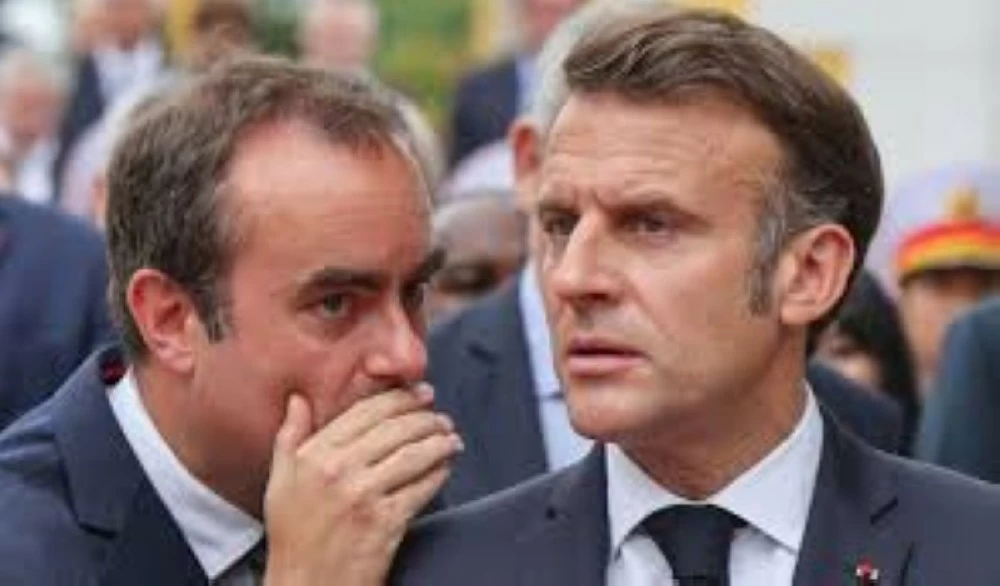
استبعد رئيس الوزراء الفرنسي سيباستيان لوكورنو أن تتمكن حكومته من إقرار ميزانية 2026 قبل نهاية العام، عازياً السبب إلى فشل المفاوضات البرلمانية، وفق ما أوردت صحيفة «لوموند».
لقاء مع الأحزاب
وقال لوكورنو في بيان، إن فرنسا ستُنهي العام من دون ميزانية معتمدة، مضيفاً أنه سيلتقي قادة الأحزاب الأخرى الاثنين، لمناقشة الخطوات الواجب اتخاذها لحماية الفرنسيين وإيجاد الشروط اللازمة للتوصل إلى حل.
ولفت إلى أن البرلمان لن يتمكن من التصويت على ميزانية لفرنسا قبل نهاية العام. «وأنا آسف لذلك، ولا يستحق مواطنونا أن يتحملوا تبعات هذا الوضع».
وكان ممثلو مجلس الشيوخ الفرنسي والجمعية الوطنية (الغرفة السفلى للبرلمان)، اجتمعوا، مساء الجمعة، للتوصل إلى حل وسط، لكن الطرفين فشلا سريعاً في التوصل إلى اتفاق.
ويشكّل انهيار محادثات الميزانية ضربة لرئيس الوزراء الفرنسي، الذي كان قد جعل تمرير ميزانية الدولة قبل نهاية العام «مهمته الأساس»، عندما وافق على إعادة تعيينه رئيساً للوزراء في أكتوبر الماضي، عقب سقوط حكومته الأولى.
الترحيل حل غير مثالي
وفي حال عدم إقرار الميزانية قبل نهاية العام، ستضطر الحكومة إلى ترحيل ميزانية هذا العام وتطبيقها على عام 2026، وهو إجراء سيحدّ من قدرة لوكورنو على إعادة ضبط المالية العامة ووضعها على المسار الصحيح.
ويُعد ترحيل الميزانية إجراء مؤقتاً لتجنب إغلاق حكومي على النمط الأمريكي، لكنه حل غير مثالي، إذ لا يمكن إقرار أي إنفاق جديد، بما في ذلك مقترحات الرئيس إيمانويل ماكرون لزيادة الإنفاق الدفاعي الفرنسي بمقدار 6.5 مليار يورو خلال العامين القادمين.
خطر على الاقتصاد
وحذر لوكورنو في نوفمبر من أن الفشل في إقرار الميزانية قبل نهاية العام يشكّل «خطراً» على الاقتصاد الفرنسي.
وسيتجه المشرّعون إلى إقرار إجراء مؤقت يقضي بتمديد العمل بميزانية عام 2025 إلى العام القادم، ثم العودة لاحقاً للعمل على إقرار ميزانية 2026 خلال العام الجديد.
وبينما سيحول هذا الحل المؤقت دون حدوث إغلاق حكومي على النمط الأمريكي، فإنه لا يسهم في خفض عجز الميزانية، الذي يُتوقع أن يبلغ هذا العام 5.4% من الناتج المحلي الإجمالي.
إبقاء العجز عند 5%
من جانبه، قال محافظ بنك فرنسا فرانسوا فيليروا دو جالو في مقابلة مع صحيفة «لو فيجارو»، إن على البلاد إبقاء العجز دون مستوى 5% لضمان سلامتها المالية مستقبلاً.
وأضاف: مع عجز يتجاوز 5%، فإن فرنسا ستعرّض نفسها بوضوح للخطر. ففي كل عام، يتم استنزاف نحو 7 مليارات يورو إضافية، بسبب مدفوعات فوائد الدين، ما يعني 70 مليار يورو خلال عشر سنوات لم تعد متاحة للإنفاق على التعليم أو الأمن أو التكنولوجيا الرقمية.
French Prime Minister Sébastien Lecornu ruled out the possibility that his government would be able to approve the 2026 budget before the end of the year, attributing the reason to the failure of parliamentary negotiations, according to the newspaper "Le Monde".
Meeting with the Parties
Lecornu stated in a statement that France would end the year without an approved budget, adding that he would meet with leaders of other parties on Monday to discuss the steps that need to be taken to protect the French people and find the necessary conditions to reach a solution.
He pointed out that Parliament would not be able to vote on a budget for France before the end of the year. "And I am sorry for that; our citizens do not deserve to bear the consequences of this situation."
Representatives from the French Senate and the National Assembly (the lower house of Parliament) met on Friday evening to reach a compromise, but both sides quickly failed to come to an agreement.
The collapse of budget talks is a blow to the French Prime Minister, who had made passing the state budget before the end of the year his "main mission" when he agreed to be reappointed as Prime Minister last October, following the fall of his first government.
Deferral is an Imperfect Solution
If the budget is not approved before the end of the year, the government will have to defer this year's budget and apply it to 2026, a measure that will limit Lecornu's ability to reset public finances and put them back on track.
Deferring the budget is a temporary measure to avoid a government shutdown similar to the American model, but it is not an ideal solution, as no new spending can be approved, including President Emmanuel Macron's proposals to increase French defense spending by 6.5 billion euros over the next two years.
Risk to the Economy
Lecornu warned in November that failing to approve the budget before the end of the year poses a "risk" to the French economy.
Lawmakers will move towards approving a temporary measure that extends the 2025 budget into the next year, then later return to work on approving the 2026 budget during the new year.
While this temporary solution will prevent a government shutdown similar to the American model, it does not contribute to reducing the budget deficit, which is expected to reach 5.4% of GDP this year.
Keeping the Deficit at 5%
For his part, Bank of France Governor François Villeroy de Galhau said in an interview with the newspaper "Le Figaro" that the country must keep the deficit below 5% to ensure its financial stability in the future.
He added: With a deficit exceeding 5%, France will clearly expose itself to risk. Each year, about 7 billion euros are drained due to debt interest payments, which means 70 billion euros over ten years that are no longer available for spending on education, security, or digital technology.