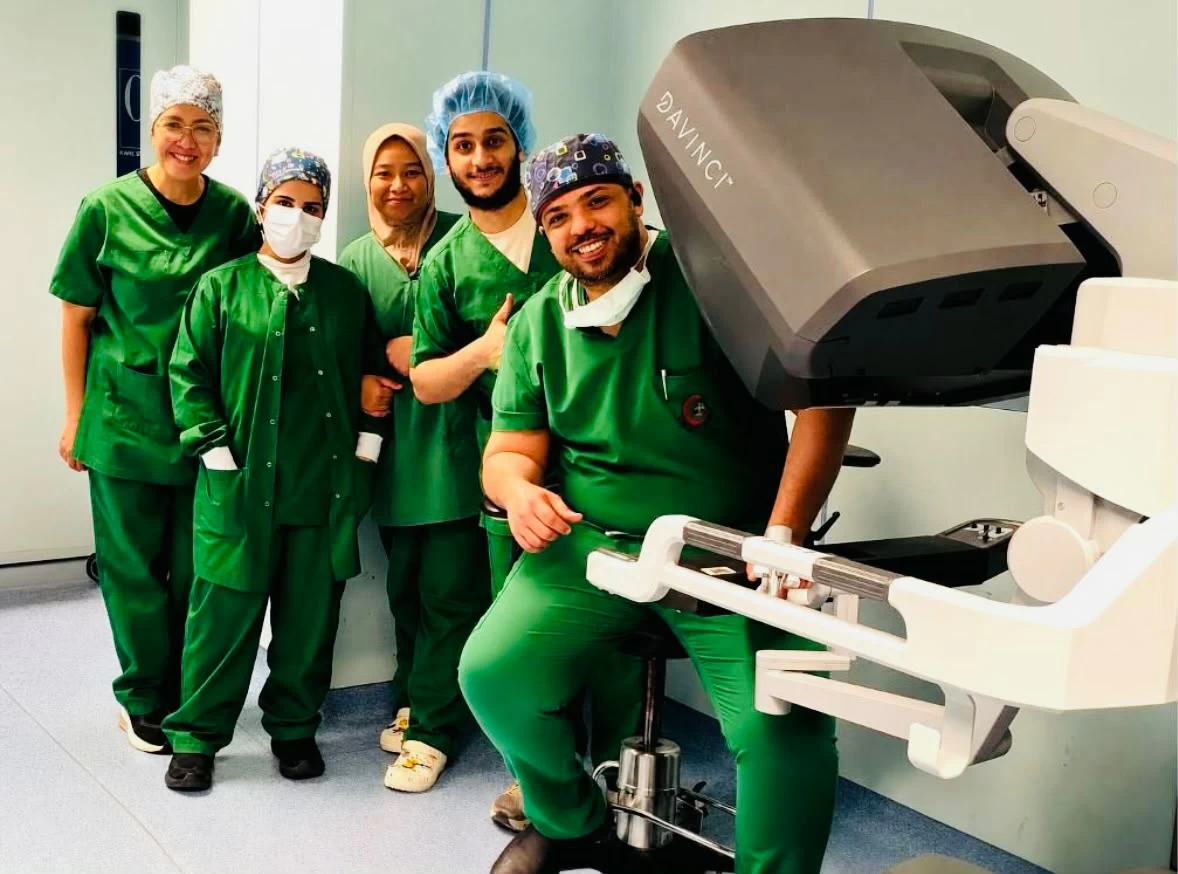
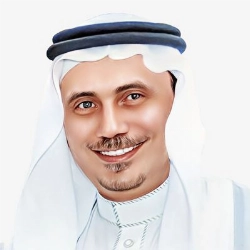
نجح فريق طبي في مدينة الملك عبدالعزيز الطبية للحرس الوطني بالرياض، بقيادة استشاري زراعة الأعضاء الدكتور محمد فيصل شاهين، في إجراء عملية زراعة كلى روبوتية بالكامل خارج الغشاء البريتوني، وهي تقنية تعتمد على زراعة الكلى دون فتح الغشاء البريتوني، ما يجعلها من أحدث الأساليب الجراحية في مجال زراعة الأعضاء.
وأوضح الدكتور شاهين أن هذا الإنجاز يمثل خطوة طبية متقدمة تعكس التطور الكبير الذي يشهده القطاع الصحي في المملكة، ويجسد النقلة النوعية في تبني التقنيات الحديثة وتطوير الكوادر الطبية المؤهلة، بما يتماشى مع مستهدفات رؤية المملكة 2030 الرامية إلى تعزيز جودة الخدمات الصحية وتطبيق أفضل الممارسات العالمية.
وبيّن أن الجراحة الروبوتية خارج الغشاء البريتوني تُعد من أحدث التقنيات في زراعة الكلى، إذ يتم الوصول إلى موقع الزراعة دون فتح التجويف البطني أو التعامل المباشر مع الأعضاء الداخلية، ما يقلل من احتمالية حدوث الالتصاقات، ويخفض مخاطر إصابة الأمعاء أو الأعضاء المجاورة، إضافة إلى تقليل معدلات العدوى والمضاعفات الجراحية.
وأشار إلى أن من أبرز مزايا هذه التقنية تقليل حجم الشقوق الجراحية مقارنة بالعمليات التقليدية، مما يسهم في تخفيف الألم بعد العملية، وتسريع التعافي، وتقليص مدة البقاء في المستشفى، وتمكين المرضى من العودة إلى حياتهم الطبيعية في وقت أقصر. كما تُعد خياراً مثالياً للمرضى الذين يعانون من السمنة المفرطة أو خضعوا لعمليات جراحية سابقة في البطن.
وأكد الدكتور شاهين أن هذا الإنجاز يعكس مستوى التقدم الذي وصلت إليه المملكة في مجال زراعة الأعضاء والجراحات الدقيقة، مشيراً إلى أن الكفاءات الوطنية أصبحت قادرة على تطبيق أحدث التقنيات العالمية وتقديم خدمات تضاهي ما يُقدّم في أكبر المراكز الطبية المتخصصة حول العالم، مؤكداً أن ما يشهده القطاع الصحي من إنجازات متتالية يعكس الدعم الكبير من القيادة، وأن الاستثمار في البحث العلمي والتقنيات الحديثة وتطوير الكوادر الوطنية سيعزز مكانة المملكة كدولة رائدة في الرعاية الصحية المتقدمة وزراعة الأعضاء، ويسهم في تقديم خدمات علاجية نوعية ترتقي بصحة المجتمع وجودة حياته.
A medical team at King Abdulaziz Medical City for the National Guard in Riyadh, led by organ transplant consultant Dr. Mohammed Faisal Shaheen, successfully performed a fully robotic kidney transplant outside the peritoneal cavity. This technique relies on transplanting kidneys without opening the peritoneal cavity, making it one of the latest surgical methods in the field of organ transplantation.
Dr. Shaheen explained that this achievement represents an advanced medical step that reflects the significant development witnessed in the healthcare sector in the Kingdom. It embodies a qualitative leap in adopting modern technologies and developing qualified medical personnel, in line with the objectives of Saudi Vision 2030 aimed at enhancing the quality of healthcare services and implementing best global practices.
He indicated that robotic surgery outside the peritoneal cavity is among the latest techniques in kidney transplantation, as it allows access to the transplant site without opening the abdominal cavity or directly interacting with internal organs. This reduces the likelihood of adhesions and lowers the risks of injury to the intestines or adjacent organs, in addition to decreasing rates of infection and surgical complications.
He pointed out that one of the most notable advantages of this technique is the reduction in the size of surgical incisions compared to traditional surgeries, which contributes to alleviating pain after the operation, speeding up recovery, shortening hospital stays, and enabling patients to return to their normal lives in a shorter time. It is also an ideal option for patients who suffer from obesity or have undergone previous abdominal surgeries.
Dr. Shaheen affirmed that this achievement reflects the level of progress the Kingdom has reached in the field of organ transplantation and precision surgeries, noting that national competencies are now capable of applying the latest global technologies and providing services that rival those offered in the largest specialized medical centers around the world. He emphasized that the consecutive achievements witnessed in the healthcare sector reflect the significant support from the leadership, and that investment in scientific research, modern technologies, and the development of national personnel will enhance the Kingdom's position as a leading country in advanced healthcare and organ transplantation, contributing to providing quality therapeutic services that elevate community health and quality of life.