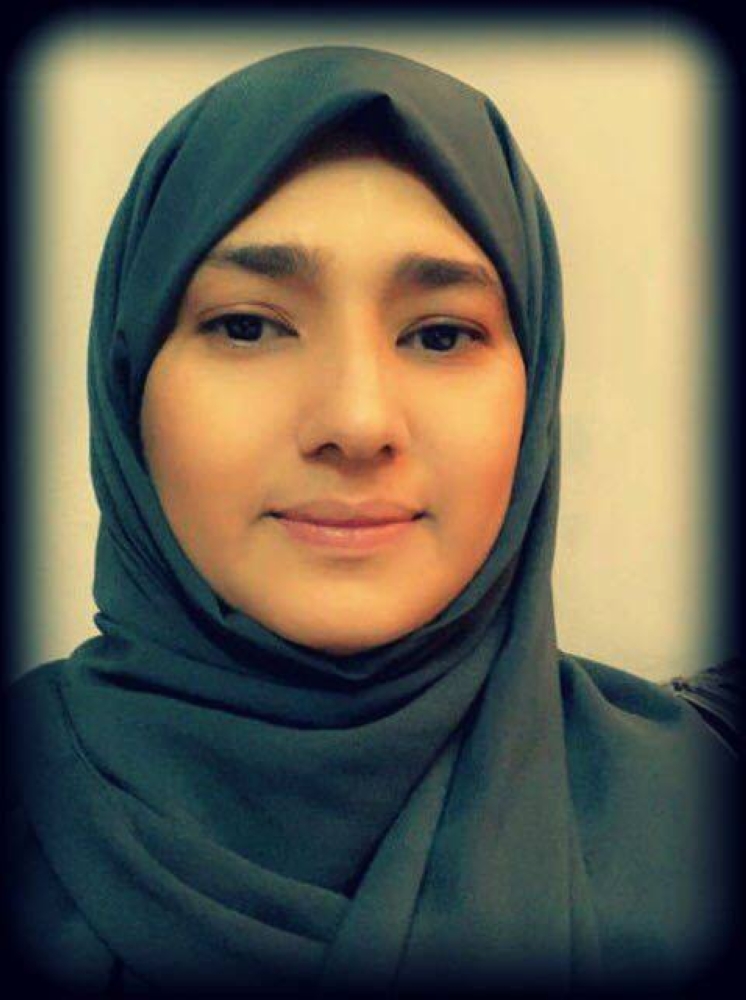
رصدت الباحثة نورة يحيى أحمد شرواني، الكفايات المهنية في الصحافة السعودية، في أطروحتها التي قدمتها لنيل درجة الدكتوراه من كلية الاتصال والإعلام في جامعة الإمام محمد بن سعود الإسلامية، وكان عنوان الرسالة (الكفاياتُ المهنيةُ للقائماتِ بالاتصالِ في الصحافة السعودية وعلاقتها بمستوى الأداء المهني: دراسةٌ مزجيَّةٌ في ضوءِ مدخلِ الممارسةِ المهنيةِ مع مقياسٍ مقترح) وقامت بقياس الكفايات المهنية الصحفية الواجب توافرها في القائماتِ بالاتصال، وعلاقتها بالأداء والممارسة الصحفية المهنية، وقدَّمتِ الدراسةُ نموذجاً لمقياسٍ مُطوِّر لقياس الكفايات المهنية للقائمات بالاتصال، واعتمدتِ الباحثةُ في الدراسة على المزجِ بين منهج الدراسة الكمية ومنهج الدراسة الكيفية، واعتمدتِ الدراسةُ على أكثر من أداة، تمثَّلت في: المقابلات مع رؤساء ومديري التحرير في عدد من الصحف السعودية، وزِّعَت استبانة إلكترونيّة على عينة تتمثلُ في القائمات بالاتصال في الصحف السعودية بلغت (100) مفردة، وتوصَّلت الدراسةُ إلى عددٍ من النتائج، منها: حدَّدتِ الدراسةُ الحالية الكفايات اللازمة للقائمات بالاتصال في الصحف السعودية، من: (كفاياتٍ رقمية وفنية، كفاياتٍ اجتماعية وذاتية، كفاياتٍ معرفية مهنية، كفاياتِ الكتابة والتحرير والنشر الصحفي، كفاياتِ الابتكار والإبداع، كفايات القيادة والإدارة).
وأظهر نموذج المقياس المقترح قبولاً واستحساناً، لدى رؤساء ومديري التحرير، خلال تطبيقه في عددٍ من الصحف السعودية مع بعض الاقتراحات للتعديل والإضافة، كما تصدَّرت الكفايات الرقمية والفنية كأحدِ أهم الكفايات الواجب توافرها في القائمات بالاتصال في الصحافة السعودية، الأمر الذي يُعزِّزُ الحاجة الملحة للمعرفة الرقمية، ويعكس ضرورة مُلحة لتطوير مناهج الإعلام الأكاديمية لتواكب العصر، وأظهرت جميع الكفايات الداخلية (الدوافع، الصفات، المفهوم الذاتي، المعرفة) والخارجية (بيئة العمل العامة والخاصة) تأثيراً كبيراً على الملامح المهنية الجديدة، يشير ذلك إلى أنَّ التطويرَ المهني في هذا المجال يتطلبُ مقاربة شمولية تدمجُ التحفيزَ الشخصي مع الدعم البيئي، كما أظهرت النتائج أنَّ هناك تبايناً في الآراء حول كفايات الكتابة والتحرير مقارنة بالإبداع والابتكار، ما يشيرُ إلى اهتمامٍ أكبر بالقِيم المضافة للإبداع في العمل الصحفي، وأشارت النتائج إلى ضعفِ الاهتمام بكفايات القيادة والإدارة، الذي قد يكون مؤشراً على محدودية التمثيل القيادي للنساء في الصحف، ووجدت الدراسة أنَّ القائماتِ بالاتصال في الصحافة السعودية يتَّسمن بإصرارهن على النجاح، ورغبتهن في إثبات الذات، على الرغم من وجود تحدياتٍ اجتماعية ومهنية، وأكدت نتائج الدراسة على أنَّ بيئة الإعلام السعودي مُشجعة للإبداع ومناسبة لكلا النوعين الاجتماعيين (الذكر- الأنثى) ومع ذلك، فإنَّ وجود معايير غير مكتوبة، أو عُرفية في بعض المؤسسات قد يسبب غموضاً في تنظيم العمل.
وأوصت الدراسة، المؤسسات الصحفية، باعتماد مقاييس علمية لتقييم الكفايات المهنية للقائمات بالاتصال في الصحافة السعودية، سعياً لتطوير المؤسسة الصحفية ودعمها بالكفاءات المؤهلة، ويمكن لهذه المؤسسات الاستفادة من نموذج المقياس المقترح في الدراسة الحالية مع إجراء أي تعديلات تتناسبُ مع المؤسسة الصحفية، ووضع أدلة تنظيمية وإجرائية للعمل داخل هذه المؤسَّسات للرفع من كفاءة العاملين، واستثماراً لرأس المال البشري وتعزيزاً واستثماراً للقدرات والمهارات المتوافرة لدى القائمات بالاتصال داخل هذه المؤسسات الصحفية، واعتماد معايير تنظيمية مكتوبة داخل المؤسسات الصحفية لتعزيز المهنية وتحديد الأدوار العملية والأداء المهني والحدّ من الغموض التنظيمي، وتفعيل آليات للتقييم والمراجعة الدورية للبيئة الصحفية، داخل المؤسَّسات الصحفية، لضمان توافقها مع رؤية المملكة 2030 والتحديثات التطويرية التي تستحدثها باستمرار وزارتا الإعلام والموارد البشرية، إضافة إلى لوائح وتنظيمات الهيئة العامة للإعلام، وتقديم برامج تطوير مهني متقدِّمة للقائمات بالاتصال في الصحافة السعودية ذوات الخبرة (5-10 سنوات)، لتحفيزهن على البقاء والمساهمة الفعَّالة في تطوير المؤسسات الصحفية، مع التركيز على الكفايات الأقل توفراً لديهن، وتوفيرُ حماية وظيفية للقائمات بالاتصال في الصحافة السعودية، العاملات في وظائف غير رسمية، مثل: تقديم عقود عمل مرنة، وضمان حقوقهن المهنية بالتعاون مع الجهات الحكومية كوزارة الموارد البشرية، ودعم برامج تُعزِّز تمثيل المرأة في المناصب القيادية، وإتاحة الفرصة للقائمات بالاتصال في الصحافة السعودية الالتحاق ببرامج قيادية وبناء المهارات الإدارية، وتدريس مقررات أكاديمية، تركز على الكفايات المهنية مع التدريب والتطبيق الميداني داخل المؤسسات الصحفية، وتحديد الكفايات المهنية للممارسة الصحفية، ووضع المعايير الوظيفية المناسبة وإصدار التشريعات اللازمة في المجال، وتنظيم منتديات وفعاليات دورية تهدفُ إلى مناقشة رأس المال البشري في المؤسسات الصحفية، لضمان تطوير الكفايات الصحفية المهنية للقائمات بالاتصال والتعرف على أحدث الدراسات والبحوث، وإجراء مزيدٍ من البحوث والدراسات حول الكفايات المهنية للقائمات بالاتصال في الصحافة السعودية، وتركيز الباحثين على تقديم وتطوير مقاييس علمية لقياس الأداء المهني الصحفي داخل المؤسسات الصحفية، واعتماد أحد أنظمة الجودة التميُّز المؤسسي، لضمان الجودة داخل المؤسسة الصحفية.
واقترحت الباحثة تقديم مزيد من البحوث في اتجاه دراسات الكفايات المهنية الصحفية، والتوسع في تناول مجالاتها وأبعادها لضرورة تجويد المهنية الصحفية، كما تقترحُ الباحثة أن يتناولَ الباحثون مستقبلاً دراسات القائمات بالاتصال في جميع المجالات منها دراسة التأهيل والتدريب وغيرها، وتنفيذ بحوثٍ مستقبلاً تتعلق بدراسات المقارنة بين الكفايات المهنية للقائمات بالاتصال في الصحافة السعودية والقائمات بالاتصال في صحافة دول أخرى، لمقارنة أهم الكفايات الصحفية المهنية بين الدول والمملكة.
أشرف على الأطروحة، الدكتور عبدالنبي عبدالله الطيب النوبي، وناقشها الدكتور عبدالله الرفاعي، والدكتور علي شويل القرني.
The researcher Nora Yahya Ahmed Sharwani monitored the professional competencies in Saudi journalism in her thesis submitted for the PhD degree from the College of Communication and Media at Imam Muhammad bin Saud Islamic University. The title of the thesis was (Professional Competencies of Communication Practitioners in Saudi Journalism and Their Relationship to Professional Performance Level: A Mixed Study in Light of the Professional Practice Approach with a Proposed Scale). She measured the journalistic professional competencies required for communication practitioners and their relationship to performance and professional journalistic practice. The study presented a model for a developed scale to measure the professional competencies of communication practitioners. The researcher relied on a combination of quantitative and qualitative study methods, and the study used more than one tool, including interviews with editors-in-chief and managing editors of several Saudi newspapers, and an electronic questionnaire distributed to a sample of communication practitioners in Saudi newspapers consisting of (100) individuals. The study reached several findings, including: the current study identified the necessary competencies for communication practitioners in Saudi newspapers, which include: (digital and technical competencies, social and personal competencies, professional knowledge competencies, writing, editing, and journalistic publishing competencies, innovation and creativity competencies, leadership and management competencies).
The proposed scale model showed acceptance and approval from editors-in-chief and managing editors during its application in several Saudi newspapers, along with some suggestions for modification and addition. Digital and technical competencies emerged as one of the most important competencies required for communication practitioners in Saudi journalism, which emphasizes the urgent need for digital knowledge and reflects a pressing necessity to develop academic media curricula to keep pace with the times. All internal competencies (motives, traits, self-concept, knowledge) and external competencies (general and specific work environment) showed a significant impact on new professional characteristics. This indicates that professional development in this field requires a comprehensive approach that integrates personal motivation with environmental support. The results also showed a variation in opinions regarding writing and editing competencies compared to creativity and innovation, indicating a greater interest in the added values of creativity in journalistic work. The results pointed to a lack of interest in leadership and management competencies, which may indicate limited leadership representation of women in newspapers. The study found that communication practitioners in Saudi journalism are characterized by their determination to succeed and their desire to prove themselves, despite facing social and professional challenges. The study results confirmed that the Saudi media environment is encouraging for creativity and suitable for both genders (male and female). However, the existence of unwritten or customary standards in some institutions may cause ambiguity in work organization.
The study recommended that journalistic institutions adopt scientific measures to evaluate the professional competencies of communication practitioners in Saudi journalism, seeking to develop the journalistic institution and support it with qualified competencies. These institutions can benefit from the proposed scale model in the current study with any modifications that suit the journalistic institution, and establish organizational and procedural guidelines for work within these institutions to enhance the efficiency of employees, invest in human capital, and strengthen and utilize the capabilities and skills available among communication practitioners within these journalistic institutions. It also recommended adopting written organizational standards within journalistic institutions to enhance professionalism, define practical roles and professional performance, and reduce organizational ambiguity. Additionally, it suggested activating mechanisms for periodic evaluation and review of the journalistic environment within journalistic institutions to ensure alignment with the Kingdom's Vision 2030 and the continuous developmental updates introduced by the Ministries of Media and Human Resources, in addition to the regulations and guidelines of the General Authority for Media. The study also called for providing advanced professional development programs for experienced communication practitioners in Saudi journalism (5-10 years) to motivate them to stay and contribute effectively to the development of journalistic institutions, focusing on the competencies that are less available to them, and providing job protection for communication practitioners in Saudi journalism working in informal positions, such as offering flexible work contracts and ensuring their professional rights in cooperation with government entities like the Ministry of Human Resources. It also suggested supporting programs that enhance women's representation in leadership positions and providing opportunities for communication practitioners in Saudi journalism to enroll in leadership programs and build managerial skills, teaching academic courses that focus on professional competencies with training and field application within journalistic institutions, defining professional competencies for journalistic practice, establishing appropriate job standards, issuing necessary legislation in the field, and organizing periodic forums and events aimed at discussing human capital in journalistic institutions to ensure the development of professional journalistic competencies for communication practitioners and to become acquainted with the latest studies and research. Furthermore, it called for conducting more research and studies on the professional competencies of communication practitioners in Saudi journalism, focusing researchers on presenting and developing scientific measures to assess professional journalistic performance within journalistic institutions, and adopting one of the quality systems for institutional excellence to ensure quality within the journalistic institution.
The researcher suggested conducting more research in the direction of studies on journalistic professional competencies and expanding the discussion of its fields and dimensions to improve journalistic professionalism. The researcher also proposes that future researchers address studies on communication practitioners in all fields, including studies on qualification and training, and to conduct future research related to comparative studies between the professional competencies of communication practitioners in Saudi journalism and those in the journalism of other countries to compare the most important journalistic professional competencies between countries and the Kingdom.
The thesis was supervised by Dr. Abdul Nabi Abdullah Al-Tayeb Al-Noubi, and discussed by Dr. Abdullah Al-Rifai and Dr. Ali Shuwail Al-Qarni.