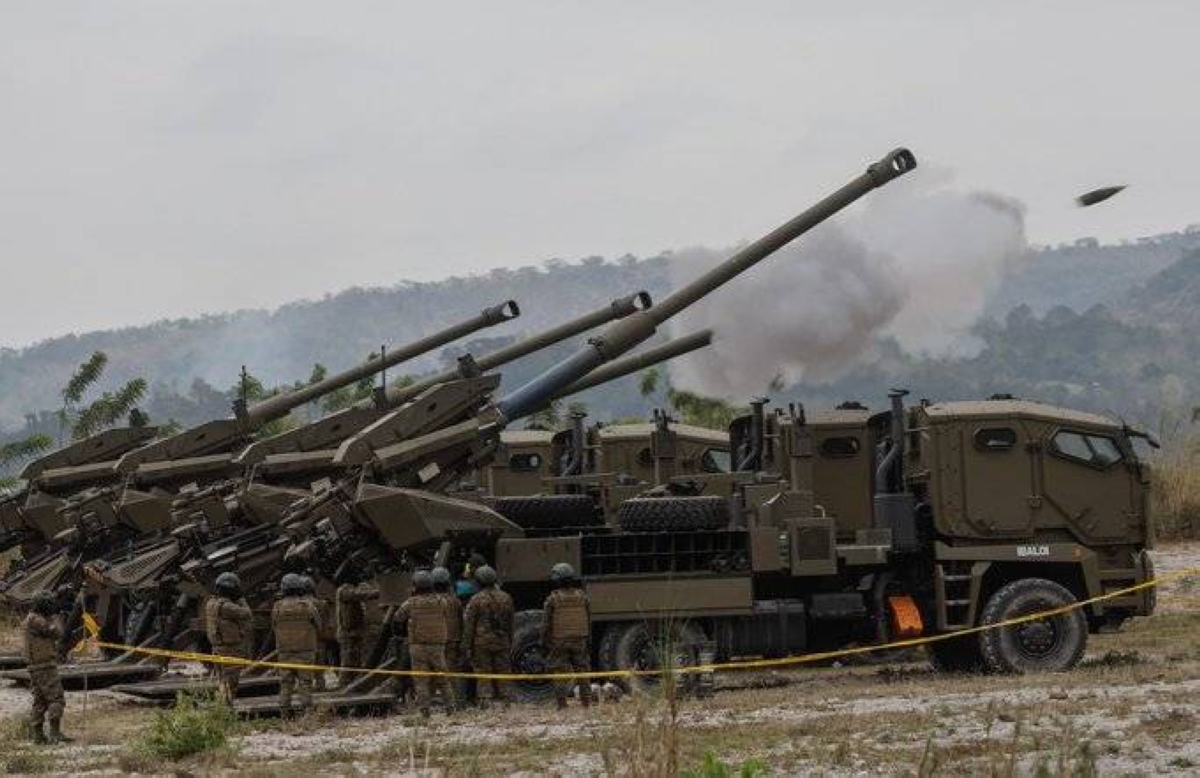
أعلنت الحكومة الفلبينية عزمها وقف شراء الأسلحة والمعدات الدفاعية من إسرائيل، في خطوة وُصفت بأنها «تاريخية» ردا على الضغوط السياسية الداخلية المتزايدة لإنهاء الصفقات مع تل أبيب بسبب الحرب المستمرة في قطاع غزة.
وجاء الإعلان من وزارة الدفاع الفلبينية، مشيرة إلى أن «الالتزامات الدولية بحقوق الإنسان والقرارات الأممية تتطلب إعادة النظر في الشراكات العسكرية»، وسط حملات برلمانية من كتل مثل «أكبيان» و«ماكابايان» التي دعت إلى قطع كل الروابط العسكرية والتجارية مع إسرائيل.
وتعتمد الفلبين، التي كانت الثالثة في قائمة مشتري إسرائيل للأسلحة (بعد الولايات المتحدة والهند)، على إسرائيل في شراء رادارات متقدمة ودبابات وأنظمة مضادة للدبابات، بقيمة صفقات تجاوزت مئات الملايين من الدولارات منذ عصر الرئيس رودريغو دوتيرتي.
ورغم الشراكة العسكرية الطويلة بين إسرائيل والفلبين، أدى التصعيد الإسرائيلي في غزة، الذي أسفر عن تدمير واسع وأزمة إنسانية، إلى احتجاجات شعبية وبرلمانية في مانيلا، خصوصا بعد تصويت الفلبين لصالح قرار وقف إطلاق النار في الأمم المتحدة في يونيو 2025.
وقالت النائبة في البرلمان الفلبيني روسي إسمولا من كتلة أكبيان: «لا يمكننا التوقيع على قرارات دولية ثم الاستمرار في شراء أسلحة من دولة متهمة بجرائم حرب»، مشيرة إلى أن البلاد يمكنها اللجوء إلى موردين آخرين مثل كوريا الجنوبية دون التضحية بالحقوق الإنسانية.
العالم يغضب على إسرائيل
ويأتي الإعلان الفلبيني في سياق عالمي أوسع، إذ أعلنت عدة دول وقف أو تجميد صفقات أسلحة مع إسرائيل بسبب غزة، ففي أوروبا، أوقفت ألمانيا، الشريك الثاني لإسرائيل في التصدير العسكري، في أغسطس، تصدير الأسلحة التي يمكن استخدامها في غزة، بعد مخاوف من «التوسع في النزاع»، بقيمة تراخيص تجاوزت 485 مليون يورو منذ أكتوبر 2023.
كما أعلنت إسبانيا، إلغاء صفقات بقيمة تقارب مليار يورو مع شركات إسرائيلية، متبنية حظرا قانونيا على التجارة العسكرية، كما حظرت سفنا تحمل أسلحة إسرائيلية من الرسو في موانئها، وفي المملكة المتحدة، علق وزير الخارجية ديفيد لامي في سبتمبر 2024 نحو 30 ترخيصا من أصل 350، بعد مراجعة داخلية أكدت عدم التزام إسرائيل بالقانون الإنساني.
حظر واسع لصفقات الأسلحة مع تل أبيب
وخارج أوروبا، أوقفت كندا مبيعات الأسلحة في مارس 2024، بعد تصويت برلماني يستند إلى حكم ICJ، وهو قرار غير ملزم لكنه يغطي التصاريح الجديدة، كما أوقفت هولندا تصدير قطع غيار F-35 في فبراير 2024، بقرار قضائي، رغم محاولات لاحقة للإبطال.
وفي آسيا، أعلنت اليابان حظرا جزئيا، وانضمت إلى مجموعة «الهاغ» (12 دولة بما فيها إندونيسيا وماليزيا وجنوب أفريقيا) لوقف كل التحويلات العسكرية، أما بلجيكا وإيطاليا، فقد فرضتا حظرا إقليميا أو جزئيا، مع التركيز على عدم استخدام الأسلحة ضد المدنيين، وأعلنت سلوفينيا حظرا كاملا في يوليو الماضي، بينما أوقفت إيطاليا الشحنات الجديدة منذ أكتوبر 2023.
ورغم ذلك، لم تعلق إسرائيل رسميا على الإعلان الفلبيني، لكن مصادر في وزارة الدفاع الإسرائيلية أعربت عن «أسفها» لفقدان عميل رئيسي، مشيرة إلى أن الحرب في غزة أثرت على التوريدات العالمية.
The Philippine government announced its intention to stop purchasing weapons and defense equipment from Israel, in a move described as "historic" in response to increasing internal political pressure to end deals with Tel Aviv due to the ongoing war in Gaza.
The announcement came from the Philippine Department of Defense, indicating that "international commitments to human rights and UN resolutions require a reconsideration of military partnerships," amid parliamentary campaigns from blocs such as "Akbayan" and "Makabayan" that called for cutting all military and trade ties with Israel.
The Philippines, which was third on the list of Israel's arms buyers (after the United States and India), relies on Israel for purchasing advanced radars, tanks, and anti-tank systems, with deals exceeding hundreds of millions of dollars since the era of President Rodrigo Duterte.
Despite the long military partnership between Israel and the Philippines, the Israeli escalation in Gaza, which resulted in widespread destruction and a humanitarian crisis, led to popular and parliamentary protests in Manila, especially after the Philippines voted in favor of a ceasefire resolution at the United Nations in June 2025.
Philippine parliament member Rosi Ismula from the Akbayan bloc stated, "We cannot sign international resolutions and then continue to buy weapons from a country accused of war crimes," noting that the country could turn to other suppliers like South Korea without sacrificing human rights.
The World Is Angry at Israel
The Philippine announcement comes in a broader global context, as several countries have announced the suspension or freezing of arms deals with Israel due to Gaza. In Europe, Germany, Israel's second-largest military export partner, halted the export of weapons that could be used in Gaza in August, following concerns about "escalating the conflict," with licenses exceeding 485 million euros since October 2023.
Spain also announced the cancellation of deals worth nearly one billion euros with Israeli companies, adopting a legal ban on military trade, and prohibited ships carrying Israeli weapons from docking at its ports. In the United Kingdom, Foreign Secretary David Lammy suspended about 30 licenses out of 350 in September 2024, following an internal review confirming Israel's non-compliance with humanitarian law.
Widespread Ban on Arms Deals with Tel Aviv
Outside of Europe, Canada halted arms sales in March 2024, following a parliamentary vote based on an ICJ ruling, which is non-binding but covers new permits. The Netherlands also stopped exporting F-35 spare parts in February 2024 through a court decision, despite later attempts to overturn it.
In Asia, Japan announced a partial ban and joined the "Hague Group" (12 countries including Indonesia, Malaysia, and South Africa) to stop all military transfers. Belgium and Italy imposed regional or partial bans, focusing on preventing the use of weapons against civilians, while Slovenia announced a complete ban last July, and Italy halted new shipments since October 2023.
Despite this, Israel has not officially commented on the Philippine announcement, but sources in the Israeli Ministry of Defense expressed "regret" over losing a key client, noting that the war in Gaza has affected global supplies.