


أعلنت اللجنة العليا للانتخابات السورية إرجاء انتخابات مجلس الشعب في محافظات السويداء والحسكة والرقة بسبب التحديات الأمنية إلى حين توفر الظروف المناسبة والبيئة الآمنة لإجرائها.
وأفادت اللجنة في بيان، اليوم (السبت)، بأنه حرصاً منها على التمثيل العادل في مجلس الشعب للمحافظات السورية الثلاث (السويداء - الحسكة - الرقة)، ونظراً إلى ما تشهده هذه المحافظات من تحديات أمنية، فإن اللجنة العليا قررت إرجاء العملية الانتخابية في تلك المحافظات لحين توفر الظروف المناسبة والبيئة الآمنة لإجرائها. وأكدت أن مخصصاتها من المقاعد ستبقى محفوظة إلى حين إجراء الانتخابات فيها في أقرب وقت ممكن.
وانطلقت أمس (الجمعة) الإجراءات العملية لانتخابات مجلس الشعب السوري، وفق ما أعلن رئيس اللجنة العليا لانتخابات مجلس الشعب السوري محمد طه الأحمد، عقب مصادقة الرئيس السوري أحمد الشرع على النظام الانتخابي المؤقت لمجلس الشعب.
وينص النظام الانتخابي الجديد على تشكيل لجنة عليا للانتخابات يعينها رئيس الجمهورية وتشرف على العملية كاملة، بحيث يُنتخب ثلثا أعضاء المجلس البالغ عددهم 210 عبر هيئات ناخبة محلية، فيما يُعيَّن الثلث المتبقي بمرسوم رئاسي. كما توزع المقاعد بحسب التوزع السكاني لكل محافظة.
ووفق المرسوم، يشترط في عضو الهيئة الناخبة أن يكون سورياً قبل الأول من مايو 2011، وألا يكون قد ترشح للرئاسة أو لمجلس الشعب بعد 2011، إلا إذا ثبت انشقاقه، وألا يكون من داعمي النظام السابق أو التنظيمات الإرهابية.
وحول سبب اعتماد نظام غير مباشر عبر هيئات ناخبة بدلاً من الاقتراع المباشر، قال الأحمد: «إن كثيراً من السوريين في الداخل والخارج لا يمتلكون أوراقاً ثبوتية بسبب التهجير والتدمير وحرق السجلات المدنية من قبل النظام السابق، ما دفعنا لابتكار آلية تسمح بوصول مجلس الشعب كإحدى السلطات الثلاث في سورية الجديدة».
وبشأن المخاوف من إضعاف شرعية المجلس بغياب الاقتراع المباشر، أوضح أن لكل السوريين حق الاعتراض على أعضاء الهيئات الناخبة عبر لجان الطعون المنتشرة في 62 دائرة انتخابية، ما يضمن فرز كفاءات علمية ومجتمعية.
وأكد رئيس اللجنة الانتخابية أن المجلس القادم، المتوقع انتخابه في سبتمبر، سيضطلع بـ3 أدوار رئيسية، وهي: تشريع القوانين بما يتناسب مع المرحلة، تمثيل المجتمع السوري بكل تنوعه، ومحاسبة الحكومة عبر الرقابة على الموازنة.
لماذا تأجلت الانتخابات البرلمانية في 3 محافظات سورية ؟
23 أغسطس 2025 - 15:19
|
آخر تحديث 23 أغسطس 2025 - 15:19
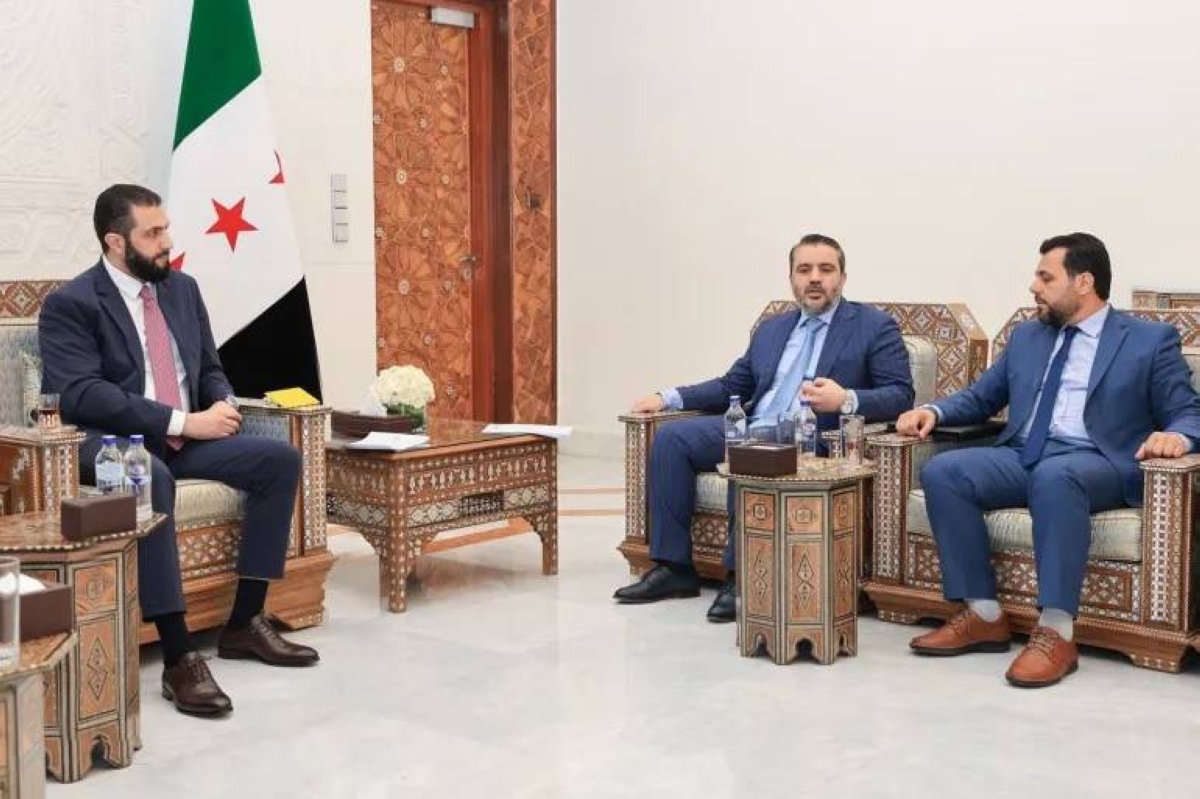
الرئيس الشرع يتسلم النسخة الأخيرة من النظام الانتخابي لمجلس الشعب.


تابع قناة عكاظ على الواتساب
«عكاظ» (دمشق) okaz_online@
The Syrian High Electoral Committee announced the postponement of the People's Council elections in the provinces of Sweida, Hasaka, and Raqqa due to security challenges until suitable conditions and a safe environment are available for conducting them.
The committee stated in a statement today (Saturday) that, in its commitment to fair representation in the People's Council for the three Syrian provinces (Sweida - Hasaka - Raqqa), and given the security challenges these provinces are facing, the High Committee decided to postpone the electoral process in those provinces until suitable conditions and a safe environment are available for conducting it. It confirmed that its allocated seats will remain reserved until elections can be held there as soon as possible.
The practical procedures for the Syrian People's Council elections began yesterday (Friday), as announced by the head of the High Committee for the Syrian People's Council elections, Mohammad Taha Al-Ahmad, following the approval of Syrian President Ahmad Al-Shara on the temporary electoral system for the People's Council.
The new electoral system stipulates the formation of a High Electoral Committee appointed by the President of the Republic, which oversees the entire process, whereby two-thirds of the council members, totaling 210, will be elected through local electoral bodies, while the remaining third will be appointed by presidential decree. The seats will also be distributed according to the population distribution of each province.
According to the decree, a member of the electoral body must be Syrian before May 1, 2011, and must not have run for the presidency or the People's Council after 2011, unless it is proven that they defected, and they must not be supporters of the previous regime or terrorist organizations.
Regarding the reason for adopting an indirect system through electoral bodies instead of direct voting, Al-Ahmad said: "Many Syrians inside and outside the country do not possess identification documents due to displacement, destruction, and the burning of civil records by the previous regime, which prompted us to innovate a mechanism that allows the People's Council to function as one of the three authorities in the new Syria."
Regarding concerns about weakening the legitimacy of the council due to the absence of direct voting, he clarified that all Syrians have the right to object to the members of the electoral bodies through the appeals committees spread across 62 electoral districts, ensuring the selection of qualified scientific and community competencies.
The head of the electoral committee confirmed that the upcoming council, expected to be elected in September, will undertake three main roles: legislating laws that align with the current phase, representing the Syrian society in all its diversity, and holding the government accountable through budget oversight.
The committee stated in a statement today (Saturday) that, in its commitment to fair representation in the People's Council for the three Syrian provinces (Sweida - Hasaka - Raqqa), and given the security challenges these provinces are facing, the High Committee decided to postpone the electoral process in those provinces until suitable conditions and a safe environment are available for conducting it. It confirmed that its allocated seats will remain reserved until elections can be held there as soon as possible.
The practical procedures for the Syrian People's Council elections began yesterday (Friday), as announced by the head of the High Committee for the Syrian People's Council elections, Mohammad Taha Al-Ahmad, following the approval of Syrian President Ahmad Al-Shara on the temporary electoral system for the People's Council.
The new electoral system stipulates the formation of a High Electoral Committee appointed by the President of the Republic, which oversees the entire process, whereby two-thirds of the council members, totaling 210, will be elected through local electoral bodies, while the remaining third will be appointed by presidential decree. The seats will also be distributed according to the population distribution of each province.
According to the decree, a member of the electoral body must be Syrian before May 1, 2011, and must not have run for the presidency or the People's Council after 2011, unless it is proven that they defected, and they must not be supporters of the previous regime or terrorist organizations.
Regarding the reason for adopting an indirect system through electoral bodies instead of direct voting, Al-Ahmad said: "Many Syrians inside and outside the country do not possess identification documents due to displacement, destruction, and the burning of civil records by the previous regime, which prompted us to innovate a mechanism that allows the People's Council to function as one of the three authorities in the new Syria."
Regarding concerns about weakening the legitimacy of the council due to the absence of direct voting, he clarified that all Syrians have the right to object to the members of the electoral bodies through the appeals committees spread across 62 electoral districts, ensuring the selection of qualified scientific and community competencies.
The head of the electoral committee confirmed that the upcoming council, expected to be elected in September, will undertake three main roles: legislating laws that align with the current phase, representing the Syrian society in all its diversity, and holding the government accountable through budget oversight.


