


شدد مجلس القضاء الأعلى في العراق على ضرورة تطبيق قانون هيئة المساءلة والعدالة بشكل دقيق ومنع وصول المرتبطين بحزب البعث المنحل إلى قبة البرلمان.
وأفاد إعلام المجلس في بيان اليوم(الأحد)، بأن مجلس القضاء الأعلى استضاف اجتماعاً برئاسة القاضي فائق زيدان وبحضور نواب رئيس محكمة التمييز الاتحادية، ورئيس الهيئة القضائية للطعن بقرارات هيئة المساءلة والعدالة القاضي كاظم عباس، ورئيس الهيئة القضائية المختصة بالطعن بقرار مجلس مفوضية الانتخابات القاضي حسن فؤاد، ورئيس الهيئة الوطنية العليا للمساءلة والعدالة باسم البدري وعدد من أعضاء الهيئة.
وأضاف البيان أنه جرى خلال اللقاء مناقشة إجراءات هيئة المساءلة والعدالة بخصوص الانتخابات النيابية القادمة، لافتا إلى أن المجتمعين اتفقوا على تطبيق القانون بشكل دقيق، ومنع وصول المرتبطين بحزب البعث المقبور إلى قبة البرلمان، وأن تكون إجراءات الهيئة شفافة، وعدم السماح باستخدام هذا الملف لأغراض غير منصوص عليها في القانون.
يذكر أن مجلس النواب العراقي أقر في 12 يناير 2008 قانون هيئة المساءلة والعدالة، كبديل لقانون اجتثاث البعث من عام 2003.
ويستند قانون المساءلة والعدالة رقم 10 لسنة 2008 إلى اجتثاث حزب البعث المنحل، ويهدف إلى تطهير مؤسسات الدولة من قياداته، ومحاسبة المتورطين منهم بانتهاكات، ومنع عودتهم إلى الوظائف العليا، مع منح بعض الاستثناءات ضمن شروط قانونية.
القضاء العراقي يمنع البعثيين من الترشح للبرلمان
27 يوليو 2025 - 12:24
|
آخر تحديث 27 يوليو 2025 - 12:24
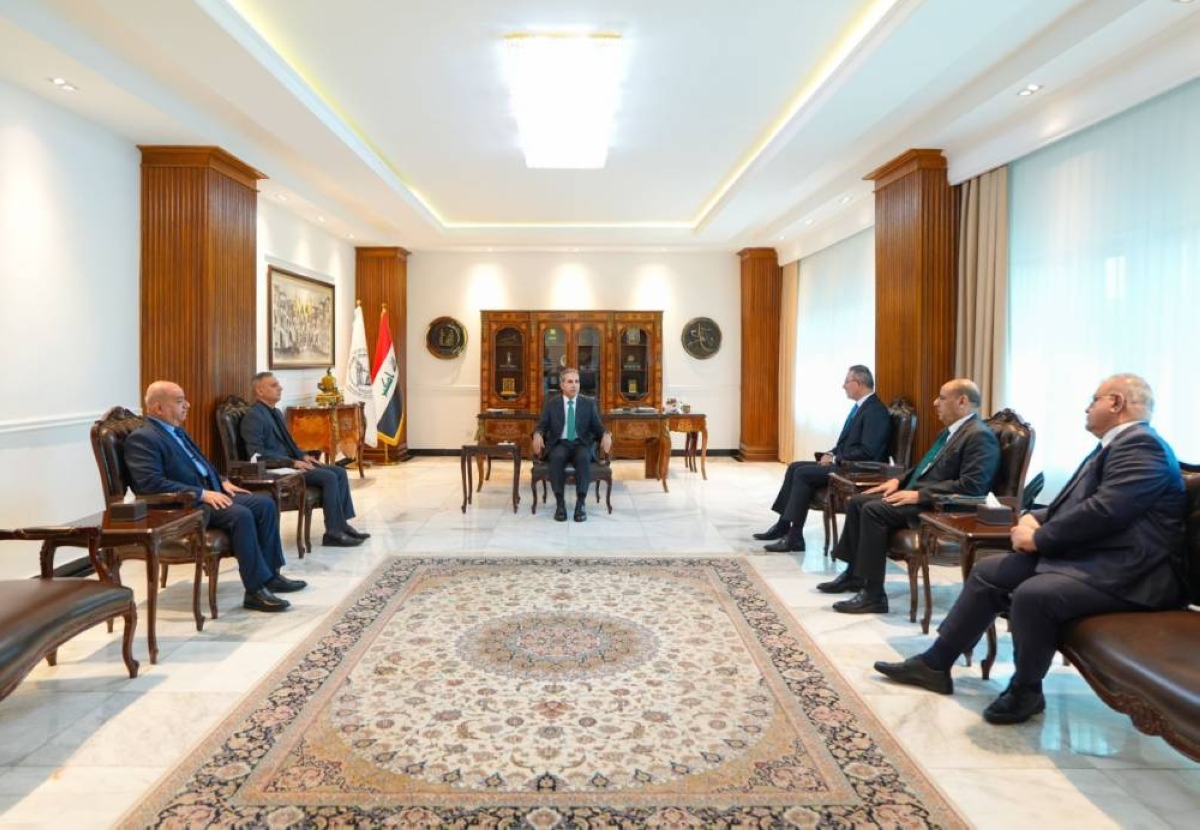
اجتماع مجلس القضاء الأعلى.


تابع قناة عكاظ على الواتساب
رياض منصور (بغداد) ookaz_online@
The Supreme Judicial Council in Iraq emphasized the necessity of accurately implementing the Accountability and Justice Law and preventing those linked to the dissolved Ba'ath Party from reaching the parliament.
The Council's media reported in a statement today (Sunday) that the Supreme Judicial Council hosted a meeting chaired by Judge Faik Zidan, attended by the Deputy Presidents of the Federal Court of Cassation, the head of the Judicial Authority for appealing the decisions of the Accountability and Justice Commission, Judge Kazem Abbas, the head of the Judicial Authority specialized in appealing the decision of the Electoral Commission, Judge Hassan Fouad, the head of the National Accountability and Justice Commission, Basim Al-Badri, and several members of the commission.
The statement added that during the meeting, the procedures of the Accountability and Justice Commission regarding the upcoming parliamentary elections were discussed, noting that the attendees agreed on the precise application of the law and the prevention of those linked to the deceased Ba'ath Party from reaching the parliament, ensuring that the commission's procedures are transparent, and not allowing the use of this file for purposes not stipulated in the law.
It is noteworthy that the Iraqi Parliament approved the Accountability and Justice Law on January 12, 2008, as a replacement for the De-Ba'athification Law from 2003.
The Accountability and Justice Law No. 10 of 2008 is based on the de-Ba'athification of the dissolved Ba'ath Party, aiming to purify state institutions from its leadership, hold those involved in violations accountable, and prevent their return to high positions, while granting some exceptions under legal conditions.
The Council's media reported in a statement today (Sunday) that the Supreme Judicial Council hosted a meeting chaired by Judge Faik Zidan, attended by the Deputy Presidents of the Federal Court of Cassation, the head of the Judicial Authority for appealing the decisions of the Accountability and Justice Commission, Judge Kazem Abbas, the head of the Judicial Authority specialized in appealing the decision of the Electoral Commission, Judge Hassan Fouad, the head of the National Accountability and Justice Commission, Basim Al-Badri, and several members of the commission.
The statement added that during the meeting, the procedures of the Accountability and Justice Commission regarding the upcoming parliamentary elections were discussed, noting that the attendees agreed on the precise application of the law and the prevention of those linked to the deceased Ba'ath Party from reaching the parliament, ensuring that the commission's procedures are transparent, and not allowing the use of this file for purposes not stipulated in the law.
It is noteworthy that the Iraqi Parliament approved the Accountability and Justice Law on January 12, 2008, as a replacement for the De-Ba'athification Law from 2003.
The Accountability and Justice Law No. 10 of 2008 is based on the de-Ba'athification of the dissolved Ba'ath Party, aiming to purify state institutions from its leadership, hold those involved in violations accountable, and prevent their return to high positions, while granting some exceptions under legal conditions.


