


أعلن المجلس الأوروبي اليوم (الثلاثاء)، فرض عقوبات على 8 أفراد إيرانيين، وكيان إيراني، عازياً ذلك إلى انتهاكات خطيرة لحقوق الإنسان، والقمع العابر للحدود.
وأكد المجلس في بيان نُسب إلى المعنيين بالعقوبات ارتكاب انتهاكات بالوكالة عن أجهزة الدولة الإيرانية خارج إيران، لا سيما عمليات إعدام خارج نطاق القضاء بإجراءات موجزة وتعسفية، بالإضافة إلى حالات اختفاء قسري لأشخاص يُعتبرون معارضين أو منتقدين لإيران، موضحاً أن العقوبات الجديدة تستهدف أعضاء في السلك القضائي الروسي الذين لعبوا دوراً رئيسياً في اضطهاد الناشط أليكسي جورينوف.
ولفت البيان إلى أن المستهدفين بالعقوبات يخضعون لتجميد الأصول ويُحظر على مواطني وشركات الاتحاد الأوروبي تقديم أموال لهم.
وكان وزير الخارجية الفرنسي جان نويل بارو قد قال إن فرنسا وبريطانيا وألمانيا «الترويكا الأوروبية»، ستقوم بتفعيل «آلية الزناد»، العودة السريعة لعقوبات الأمم المتحدة على إيران بحلول نهاية أغسطس القادم إذا لم يتم التوصل إلى اتفاق نووي قبل ذلك، موضحاً قبيل اجتماع وزراء خارجية الاتحاد الأوروبي في بروكسل أن فرنسا وشركاءها لهم الحق في إعادة فرض العقوبات العالمية في مجالات الأسلحة والنظام المصرفي والمعدات النووية، وهي عقوبات تم رفعها قبل عشر سنوات.
يذكر أن آلية الزناد، أو «سناب باك»، فرضها الاتحاد الأوروبي على إيران قبل عشر سنوات ضمن نص قرار مجلس الأمن رقم 2231 المرتبط بالاتفاق النووي، وتتيح هذه الآلية إعادة فرض العقوبات الأممية ضد إيران تلقائياً في حال حدوث «عدم امتثال جوهري» من جانبها لالتزاماتها، دون الحاجة إلى تصويت أو توافق داخل مجلس الأمن.
بالمقابل، يرى وزير الخارجية الإيراني عباس عراقجي في لقاء مع رؤساء البعثات الأجنبية لجوء أوروبا لاستخدام آلية الزناد «أكبر خطأ»، فيما اعتبر المتحدث باسم وزارة الخارجية الإيراني إسماعيل بقائي تهديد الدول الأوروبية بتفعيل آلية الزناد هو «إجراء سياسي يهدف إلى المواجهة مع إيران».
المجلس الأوروبي يفرض عقوبات على 8 أفراد وكيان إيراني
15 يوليو 2025 - 18:52
|
آخر تحديث 15 يوليو 2025 - 18:52
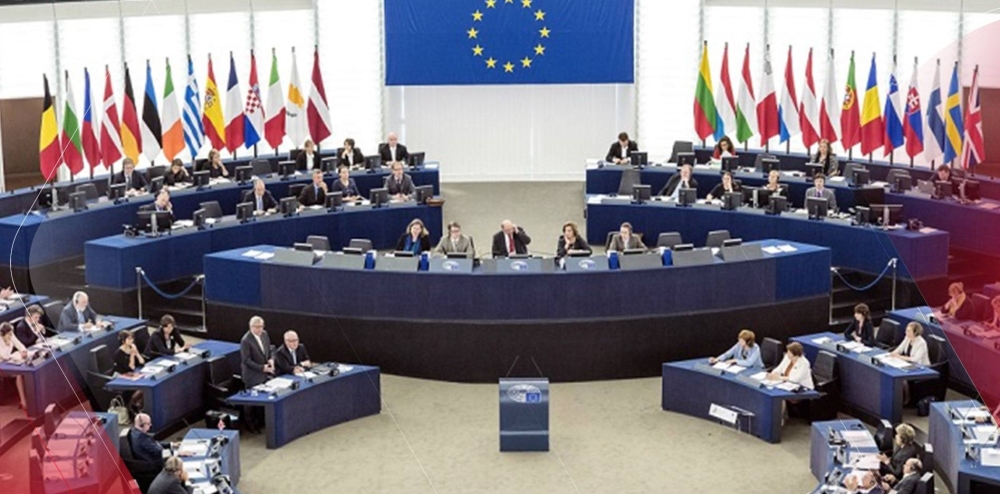
المجلس الأوروبي


تابع قناة عكاظ على الواتساب
«عكاظ» (جدة) okaz_online@
The European Council announced today (Tuesday) the imposition of sanctions on 8 Iranian individuals and an Iranian entity, attributing this to serious human rights violations and cross-border repression.
The Council confirmed in a statement attributed to those involved in the sanctions that violations were committed on behalf of Iranian state agencies outside Iran, particularly extrajudicial executions carried out summarily and arbitrarily, in addition to cases of enforced disappearance of individuals considered opponents or critics of Iran. It clarified that the new sanctions target members of the Russian judiciary who played a key role in the persecution of activist Alexei Gorinov.
The statement noted that those targeted by the sanctions are subject to asset freezes and that EU citizens and companies are prohibited from providing funds to them.
French Foreign Minister Jean-Noël Barrot stated that France, Britain, and Germany, the "European troika," will activate the "snapback mechanism," which allows for the rapid reinstatement of UN sanctions on Iran by the end of next August if a nuclear agreement is not reached by then. He explained prior to the EU Foreign Ministers' meeting in Brussels that France and its partners have the right to reimpose global sanctions in the areas of weapons, the banking system, and nuclear equipment, sanctions that were lifted ten years ago.
It is worth noting that the snapback mechanism was imposed by the EU on Iran ten years ago as part of UN Security Council Resolution 2231 related to the nuclear agreement. This mechanism allows for the automatic reinstatement of UN sanctions against Iran in the event of "substantial non-compliance" on its part with its obligations, without the need for a vote or consensus within the Security Council.
In contrast, Iranian Foreign Minister Abbas Araghchi, in a meeting with heads of foreign missions, viewed Europe's resort to the snapback mechanism as the "biggest mistake," while Iranian Foreign Ministry spokesman Ismail Baqaei considered the European countries' threat to activate the snapback mechanism as a "political measure aimed at confrontation with Iran."
The Council confirmed in a statement attributed to those involved in the sanctions that violations were committed on behalf of Iranian state agencies outside Iran, particularly extrajudicial executions carried out summarily and arbitrarily, in addition to cases of enforced disappearance of individuals considered opponents or critics of Iran. It clarified that the new sanctions target members of the Russian judiciary who played a key role in the persecution of activist Alexei Gorinov.
The statement noted that those targeted by the sanctions are subject to asset freezes and that EU citizens and companies are prohibited from providing funds to them.
French Foreign Minister Jean-Noël Barrot stated that France, Britain, and Germany, the "European troika," will activate the "snapback mechanism," which allows for the rapid reinstatement of UN sanctions on Iran by the end of next August if a nuclear agreement is not reached by then. He explained prior to the EU Foreign Ministers' meeting in Brussels that France and its partners have the right to reimpose global sanctions in the areas of weapons, the banking system, and nuclear equipment, sanctions that were lifted ten years ago.
It is worth noting that the snapback mechanism was imposed by the EU on Iran ten years ago as part of UN Security Council Resolution 2231 related to the nuclear agreement. This mechanism allows for the automatic reinstatement of UN sanctions against Iran in the event of "substantial non-compliance" on its part with its obligations, without the need for a vote or consensus within the Security Council.
In contrast, Iranian Foreign Minister Abbas Araghchi, in a meeting with heads of foreign missions, viewed Europe's resort to the snapback mechanism as the "biggest mistake," while Iranian Foreign Ministry spokesman Ismail Baqaei considered the European countries' threat to activate the snapback mechanism as a "political measure aimed at confrontation with Iran."


