


كشف وزير الخارجية الإيراني عباس عراقجي اليوم (السبت) عن دراسة بلاده زمن ومكان وشكل الضمانات اللازمة لاستئناف المفاوضات مع الولايات المتحدة، موضحاً أن «أبواب الدبلوماسية لم تُغلق في أي وقت، وفي كل الظروف هناك إمكانية للجوء إلى الدبلوماسية وتحقيق الأهداف من خلالها، وسنخوض هذه العملية بيقظة كاملة وثقة بالنفس».
وقال عراقجي على هامش لقائه سفراء وممثلي الدول الأجنبية المعتمدين لدى إيران: «لقد واجهنا خلال التفاوض تحولاً باتجاه الخيار العسكري، وهذا كان خيانة للدبلوماسية»، مضيفاً: «إذا كان الطرف الآخر (الولايات المتحدة) اليوم مصراً على العودة إلى التفاوض، كما تدل الرسائل العديدة التي وصلتنا، فمن الطبيعي أن نطمئن بأن مثل هذا التصرف لن يتكرر، وأنهم لن يلجأوا الى الخيار العسكري عندما لا يحصلون على مبتغاهم عبر التفاوض».
ونقلت وسائل إعلام رسمية إيرانيةعن عراقجي قوله: «في العلاقات الدولية لا يوجد شيء اسمه ضمان مطلق، ونحن لم نطالب بهذا، بل يجب أن نحصل على ما يكفي من الاطمئنان، وأن نقتنع بأن ما حدث لن يتكرر، وقد وردتنا بالفعل بعض إشارات التطمين»، مبيناً أن إيران بصدد «دراسة هذه التطمينات».
وأشار إلى أنه «عندما نتيقن بأن حقوق الشعب الإيراني ومصالح إيران العليا ستُحقق عبر التفاوض، فلن يكون لدينا أي تردد أو تهرب من الحوار»، مشدداً بالقول: «طهران تدرس جميع الجوانب، الزمان والمكان والشكل والترتيبات والضمانات اللازمة».
وكانت صحيفة «وول ستريت جورنال» قد ذكرت اليوم أن اللقاء الأخير بين الرئيس الأمريكي دونالد ترمب ورئيس الوزراء الإسرائيلي بنيامين نتنياهو في واشنطن، سلط الضوء على الحسابات المتباينة التي تواجهها كل من الولايات المتحدة وإسرائيل وإيران، عقب الهجمات التي استهدفت المنشآت النووية الإيرانية الشهر الماضي.
وزير الخارجية الإيراني: ندرس الزمان والمكان والضمانات لاستئناف المفاوضات مع أمريكا
12 يوليو 2025 - 22:27
|
آخر تحديث 12 يوليو 2025 - 22:27
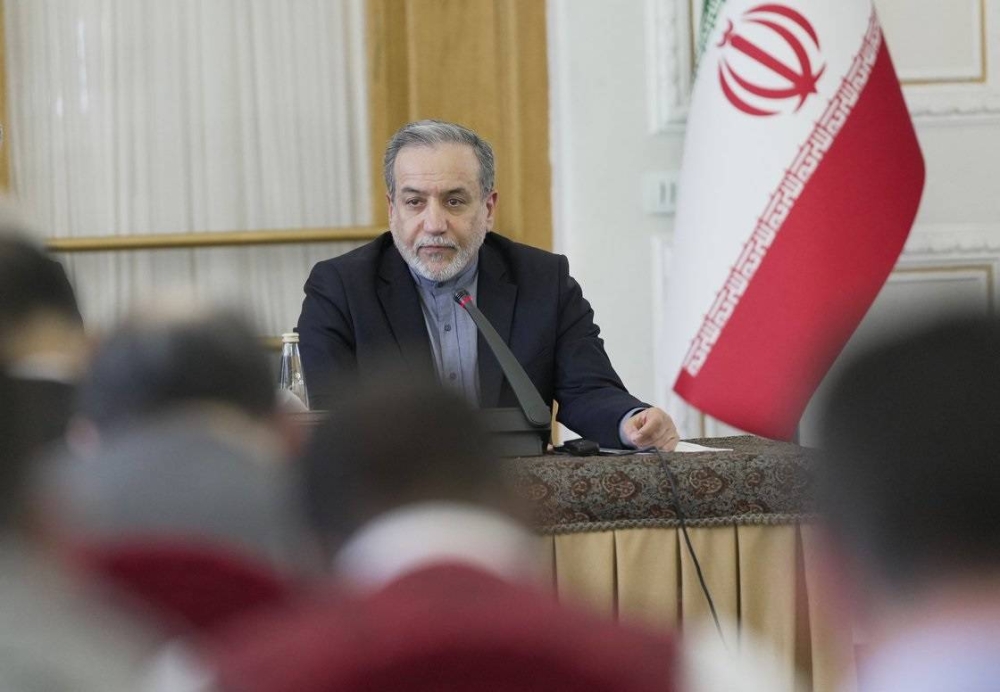
عراقجي متحدثاً للسفراء.


تابع قناة عكاظ على الواتساب
«عكاظ» (جدة) okaz_online@
Iranian Foreign Minister Abbas Araghchi revealed today (Saturday) that his country is studying the time, place, and form of the necessary guarantees to resume negotiations with the United States, explaining that "the doors of diplomacy have not been closed at any time, and in all circumstances, there is the possibility of resorting to diplomacy and achieving goals through it, and we will engage in this process with complete vigilance and self-confidence."
Araghchi said on the sidelines of his meeting with ambassadors and representatives of foreign countries accredited to Iran: "We have faced a shift towards the military option during the negotiations, and this was a betrayal of diplomacy," adding: "If the other party (the United States) is today insisting on returning to negotiations, as indicated by the numerous messages we have received, it is natural for us to be reassured that such behavior will not be repeated, and that they will not resort to the military option when they do not achieve their goals through negotiation."
Iranian state media quoted Araghchi as saying: "In international relations, there is no such thing as absolute guarantees, and we have not demanded this, but we must obtain enough reassurance and be convinced that what happened will not be repeated, and we have indeed received some reassuring signals," indicating that Iran is "studying these reassurances."
He pointed out that "when we are certain that the rights of the Iranian people and Iran's supreme interests will be achieved through negotiation, we will have no hesitation or evasion from dialogue," emphasizing: "Tehran is studying all aspects, including the time, place, form, arrangements, and necessary guarantees."
The Wall Street Journal reported today that the recent meeting between U.S. President Donald Trump and Israeli Prime Minister Benjamin Netanyahu in Washington highlighted the differing calculations faced by the United States, Israel, and Iran following the attacks that targeted Iranian nuclear facilities last month.
Araghchi said on the sidelines of his meeting with ambassadors and representatives of foreign countries accredited to Iran: "We have faced a shift towards the military option during the negotiations, and this was a betrayal of diplomacy," adding: "If the other party (the United States) is today insisting on returning to negotiations, as indicated by the numerous messages we have received, it is natural for us to be reassured that such behavior will not be repeated, and that they will not resort to the military option when they do not achieve their goals through negotiation."
Iranian state media quoted Araghchi as saying: "In international relations, there is no such thing as absolute guarantees, and we have not demanded this, but we must obtain enough reassurance and be convinced that what happened will not be repeated, and we have indeed received some reassuring signals," indicating that Iran is "studying these reassurances."
He pointed out that "when we are certain that the rights of the Iranian people and Iran's supreme interests will be achieved through negotiation, we will have no hesitation or evasion from dialogue," emphasizing: "Tehran is studying all aspects, including the time, place, form, arrangements, and necessary guarantees."
The Wall Street Journal reported today that the recent meeting between U.S. President Donald Trump and Israeli Prime Minister Benjamin Netanyahu in Washington highlighted the differing calculations faced by the United States, Israel, and Iran following the attacks that targeted Iranian nuclear facilities last month.


