


بين كل ما قيل وصيغ في بيروت، وبين كل ما لم يُقَل بعد في واشنطن، يقف لبنان الآن على عتبة مهلة غير معلنة لكنها تشبه العد العكسي. ليست هناك حرب فعلية ولا سلام مستقر، فقط انتظار ثقيل لما قد تحمله الأيام القليلة القادمة: هل سيُقرأ الرد اللبناني خطوةً أولى نحو تسوية أم فرصةً ضائعة أخرى في سجل الفرص اللبنانية المهدورة؟
لحظة الترقب هذه ليست حيادية، إنها لحظة معلقة على مهلة أمريكية محددة، تبدو وكأنها تشكل الفاصل بين دولتين: لبنان القديم المتروك لتوازنات داخلية وحسابات إقليمية، ولبنان الجديد الذي يفترض أن يتحول إلى دولة موحدة القرار، يحتكر فيها الجيش اللبناني وحده، السلاح.
لكن من يقرِّر شكل هذا التحول؟ وهل لا تزال بيروت تكتب قدرها، أم أن مهلة توماس براك باتت هي النص الوحيد المعترف به على طاولة القرار الدولي؟.
هل اقتنع الأمريكيون فعلاً؟
في أول تعليق على الرد اللبناني، ظهرت لهجة أمريكية «راضية جداً». مصطلحات مثل: «رد رائع» و«واقعي» و«يفتح الباب للمضي قدماً» انتشرت في الصحافة الأمريكية. لكن هذه اللغة التي بدت ناعمة ظاهرياً، تخفي ما هو أبعد: واشنطن لم تطلب من بيروت رأياً بل التزاماً. لم تكن تنتظر تأملاً في أفكارها بل توقيعاً على خريطة زمنية واضحة تنتهي إلى مشهد واحد: لبنان بلا سلاح خارج الشرعية.
الرد اللبناني بحسب مصادر دبلوماسية أمريكية، لم يرفض ولم يوافق، بل «لاقى الطرح الأمريكي بنقاط تبقي هامشاً للمناورة». هذه المناورة بالنسبة للأمريكيين ليست مشكلة في ذاتها إنما في توقيتها. لأن مهلة براك التي أعطيت من دون أن تعلن صراحة، تنتهي فعلياً خلال أشهر بمرور سنة على انتخاب الرئيس دونالد ترمب، إذ سيتحول الاهتمام الأمريكي بالكامل إلى أولويات داخلية.
هل ما زال القرار في بيروت؟
ردّت بيروت، لكن بيروت ليست طرفاً واحداً؛ فرئاسات الجمهورية والحكومة ومجلس النواب وحتى عدد من القوى السياسية، شاركوا في صياغة الورقة. لكن الثقل الحقيقي لمعادلة الرد يبقى في يد «حزب الله» الذي لم يعلن موقفاً مباشراً بعد الرد الرسمي، لكنه سرّب عبر بيئته رفضاً لأي مهلة زمنية تنتهي بتسليم السلاح.
في المقابل، أفادت أوساط قريبة من دوائر القرار الرسمي، بأن الرد اللبناني لم يتضمن التزامات صريحة بل وضع شروطاً مقابلة لأي خطوة تتعلق بالسلاح: أبرزها انسحاب إسرائيل الكامل من الجنوب، وتحييد القرار 1701 عن التفسير الإسرائيلي. وهذا يعني أن بيروت كتبت، نعم. لكنها كتبت تحت سقف مزدوج: سقف الدولة وسقف حزب الله. وهنا يعود السؤال: هل تقبل واشنطن بورقة تكتفي بالمواقف الرمادية؟ أم أنها تتعامل معها كأداة ضغط لا أكثر بانتظار جواب عملي؟. الرد الأمريكي..
بأي صيغة سيكون؟
لن يعود براك إلى بيروت بورقة جوابية تقليدية، فقد يحمل معه وفقاً لمصادر مواكبة ما يشبه تقرير مصير: إما التقدم خطوة نحو تنفيذ «خارطة نزع السلاح» أو الدخول في مرحلة ضغط متسارع، يبدأ بتجميد المساعدات ويصل ربما إلى تفعيل العقوبات.
وحسب مصادر «عكاظ»، فإن الرد الأمريكي لن يكون فقط على الورق. سيكون مزدوجاً: سياسي- أمني من جهة، واقتصادي- دولي من جهة أخرى؛ أي أن واشنطن ستنتظر إشارات ميدانية فعلية في الجنوب وفي داخل الدولة قبل أن تطلق أي رزمة دعم جديدة للبنان. وأكثر من ذلك، فقد ألمح الموفد الأمريكي في زيارته الأخيرة إلى أن المنطقة تتحرك «بسرعة ماخ»، ومن لا يلتحق بالقطار الآن قد لا يسمح له بالصعود لاحقاً.
ماذا بعد عودة براك؟
الزيارة القادمة لبراك قد تكون الأكثر حسماً؛ أي أنها ليست زيارة استكشاف بل اختبار نهائي: هل تنفذ بيروت شيئاً فعلياً مما جاء في ورقتها؟ وهل يتحرك حزب الله لإعادة تموضعه، أم يختار التصعيد السياسي وربما العسكري في الجنوب أو في الداخل؟ كذلك، لا يمكن فصل الرد الأمريكي عن المزاج الإسرائيلي الذي لا يبدو متحمساً لأي تسويات تبقي على هيبة الحزب.
في المقابل، لدى واشنطن أسباب كافية لتفادي الانفجار. فهي تدرك أن انهيار لبنان سيصب في مصلحة خصومها الإقليميين. لذلك، قد يعاد طرح معادلة «الحل مقابل الضمانات»؛ أي خطوات تدريجية من الحزب يقابلها انسحاب إسرائيلي مدروس وتمويل دولي مشروط بإجراءات إصلاحية.
من يكتب
مصير لبنان؟
براك لا يملك أن يملي على لبنان مستقبله، لكنه يحمل ورقة توازي في مفعولها ما كانت تفعله العواصم الكبرى في لحظات الانتقال. لحظة الرد الأمريكي ستكون لحظة تحديد المسار، إما الاستفادة من فرصة تحول مدعومة دولياً، أو الوقوع مجدداً في دوامة انتظار قاتلة، إذ لا مهلة تمدد ولا دعم يقدم، ولا موقف يُحسم.
في النهاية، المصير سيُكتب بين بيروت وواشنطن، لكن توقيت كتابته وسرعة إنجازه باتَا خارج يد بيروت. الزمن الآن يملكه براك والخريطة تنتظر من يوقعها قبل أن تطوى.
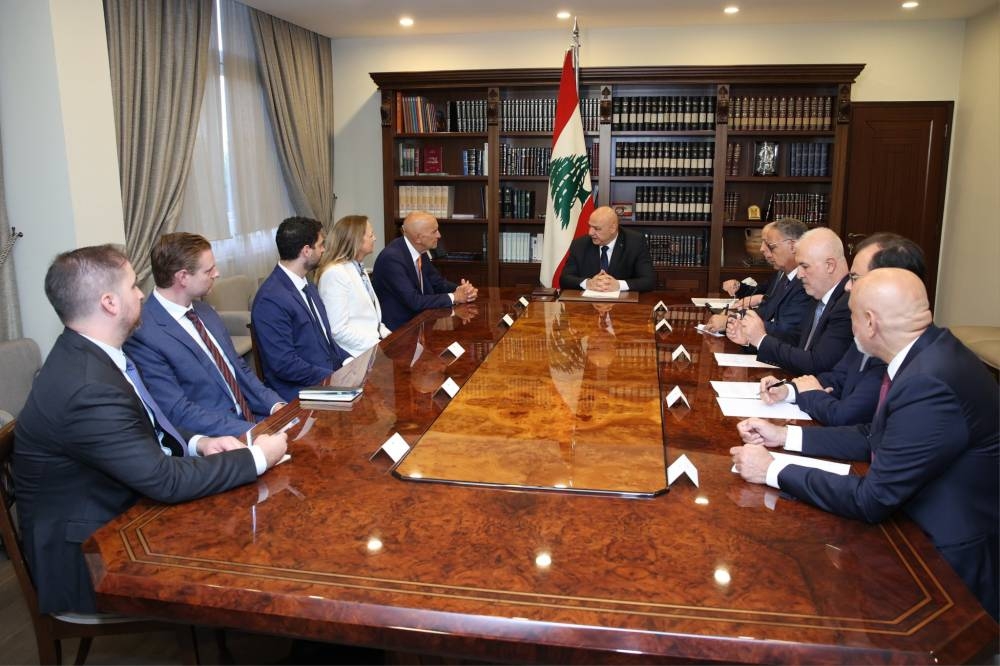
بعد أن سلّمت براك جوابها..
مصير لبنان معلّق على الرد الأمريكي
11 يوليو 2025 - 03:29
|
آخر تحديث 11 يوليو 2025 - 03:29


تابع قناة عكاظ على الواتساب
راوية حشمي (بيروت) HechmiRawiya@
Between everything that has been said and formulated in Beirut, and everything that has not yet been said in Washington, Lebanon now stands on the threshold of an unannounced deadline that resembles a countdown. There is no actual war nor stable peace, just a heavy waiting for what the coming days may bring: Will the Lebanese response be read as a first step towards a settlement or another lost opportunity in the record of squandered Lebanese chances?
This moment of anticipation is not neutral; it is a moment suspended on a specific American deadline, which seems to form the dividing line between two states: the old Lebanon, left to internal balances and regional calculations, and the new Lebanon, which is supposed to transform into a state with a unified decision, where only the Lebanese army monopolizes weapons.
But who decides the shape of this transformation? Is Beirut still writing its destiny, or has Thomas Barak's deadline become the only recognized text at the international decision-making table?
Are the Americans really convinced?
In the first comment on the Lebanese response, an "extremely satisfied" American tone emerged. Terms like "wonderful response," "realistic," and "opens the door to move forward" spread in the American press. But this language, which seemed soft on the surface, conceals something deeper: Washington did not ask Beirut for an opinion but for a commitment. It was not waiting for contemplation of its ideas but for a signature on a clear timeline that ends with one scene: Lebanon without weapons outside of legitimacy.
The Lebanese response, according to American diplomatic sources, neither rejected nor approved, but "met the American proposal with points that leave room for maneuver." This maneuver, for the Americans, is not a problem in itself but in its timing. Because Barak's deadline, which was given without being explicitly announced, effectively ends within months as a year passes since the election of President Donald Trump, at which point American attention will fully shift to domestic priorities.
Is the decision still in Beirut?
Beirut responded, but Beirut is not a single party; the presidency, the government, and the parliament, as well as several political forces, participated in drafting the paper. However, the real weight of the response equation remains in the hands of "Hezbollah," which has not yet announced a direct position after the official response, but leaked through its environment a rejection of any timeline that ends with disarmament.
In contrast, sources close to official decision-making circles reported that the Lebanese response did not include explicit commitments but set conditions for any step related to weapons: the most prominent being Israel's complete withdrawal from the south and neutralizing Resolution 1701 from Israeli interpretation. This means that Beirut wrote, yes. But it wrote under a double ceiling: the ceiling of the state and the ceiling of Hezbollah. And here the question returns: Will Washington accept a paper that is content with gray positions? Or will it treat it as a mere pressure tool while waiting for a practical response?
In what form will the American response be?
Barak will not return to Beirut with a traditional response paper; he may carry with him, according to accompanying sources, something akin to a report on destiny: either a step forward towards implementing the "disarmament roadmap" or entering a phase of accelerated pressure, starting with freezing aid and possibly activating sanctions.
According to sources from "Okaz," the American response will not be just on paper. It will be dual: political-security on one hand, and economic-international on the other; meaning that Washington will wait for actual field signals in the south and within the state before launching any new support package for Lebanon. Moreover, the American envoy hinted during his recent visit that the region is moving "at Mach speed," and those who do not board the train now may not be allowed to get on later.
What happens after Barak's return?
Barak's next visit may be the most decisive; it is not an exploratory visit but a final test: Will Beirut implement anything concrete from what was stated in its paper? Will Hezbollah move to reposition itself, or will it choose political escalation and perhaps military action in the south or internally? Additionally, the American response cannot be separated from the Israeli mood, which does not seem enthusiastic about any settlements that maintain the party's prestige.
Conversely, Washington has sufficient reasons to avoid an explosion. It realizes that the collapse of Lebanon would serve the interests of its regional adversaries. Therefore, the equation of "solution for guarantees" may be reintroduced; that is, gradual steps from the party matched by a calculated Israeli withdrawal and international funding conditioned on reform measures.
Who writes
Lebanon's fate?
Barak cannot dictate Lebanon's future, but he carries a paper that has the same effect as what major capitals used to do in moments of transition. The moment of the American response will be a moment of determining the path, either benefiting from an internationally supported transformation opportunity or falling again into a deadly waiting spiral, where there is neither an extended deadline nor support provided, nor a position finalized.
In the end, the fate will be written between Beirut and Washington, but the timing of its writing and the speed of its completion have become beyond Beirut's control. Time now belongs to Barak, and the map awaits a signature before it is folded.
This moment of anticipation is not neutral; it is a moment suspended on a specific American deadline, which seems to form the dividing line between two states: the old Lebanon, left to internal balances and regional calculations, and the new Lebanon, which is supposed to transform into a state with a unified decision, where only the Lebanese army monopolizes weapons.
But who decides the shape of this transformation? Is Beirut still writing its destiny, or has Thomas Barak's deadline become the only recognized text at the international decision-making table?
Are the Americans really convinced?
In the first comment on the Lebanese response, an "extremely satisfied" American tone emerged. Terms like "wonderful response," "realistic," and "opens the door to move forward" spread in the American press. But this language, which seemed soft on the surface, conceals something deeper: Washington did not ask Beirut for an opinion but for a commitment. It was not waiting for contemplation of its ideas but for a signature on a clear timeline that ends with one scene: Lebanon without weapons outside of legitimacy.
The Lebanese response, according to American diplomatic sources, neither rejected nor approved, but "met the American proposal with points that leave room for maneuver." This maneuver, for the Americans, is not a problem in itself but in its timing. Because Barak's deadline, which was given without being explicitly announced, effectively ends within months as a year passes since the election of President Donald Trump, at which point American attention will fully shift to domestic priorities.
Is the decision still in Beirut?
Beirut responded, but Beirut is not a single party; the presidency, the government, and the parliament, as well as several political forces, participated in drafting the paper. However, the real weight of the response equation remains in the hands of "Hezbollah," which has not yet announced a direct position after the official response, but leaked through its environment a rejection of any timeline that ends with disarmament.
In contrast, sources close to official decision-making circles reported that the Lebanese response did not include explicit commitments but set conditions for any step related to weapons: the most prominent being Israel's complete withdrawal from the south and neutralizing Resolution 1701 from Israeli interpretation. This means that Beirut wrote, yes. But it wrote under a double ceiling: the ceiling of the state and the ceiling of Hezbollah. And here the question returns: Will Washington accept a paper that is content with gray positions? Or will it treat it as a mere pressure tool while waiting for a practical response?
In what form will the American response be?
Barak will not return to Beirut with a traditional response paper; he may carry with him, according to accompanying sources, something akin to a report on destiny: either a step forward towards implementing the "disarmament roadmap" or entering a phase of accelerated pressure, starting with freezing aid and possibly activating sanctions.
According to sources from "Okaz," the American response will not be just on paper. It will be dual: political-security on one hand, and economic-international on the other; meaning that Washington will wait for actual field signals in the south and within the state before launching any new support package for Lebanon. Moreover, the American envoy hinted during his recent visit that the region is moving "at Mach speed," and those who do not board the train now may not be allowed to get on later.
What happens after Barak's return?
Barak's next visit may be the most decisive; it is not an exploratory visit but a final test: Will Beirut implement anything concrete from what was stated in its paper? Will Hezbollah move to reposition itself, or will it choose political escalation and perhaps military action in the south or internally? Additionally, the American response cannot be separated from the Israeli mood, which does not seem enthusiastic about any settlements that maintain the party's prestige.
Conversely, Washington has sufficient reasons to avoid an explosion. It realizes that the collapse of Lebanon would serve the interests of its regional adversaries. Therefore, the equation of "solution for guarantees" may be reintroduced; that is, gradual steps from the party matched by a calculated Israeli withdrawal and international funding conditioned on reform measures.
Who writes
Lebanon's fate?
Barak cannot dictate Lebanon's future, but he carries a paper that has the same effect as what major capitals used to do in moments of transition. The moment of the American response will be a moment of determining the path, either benefiting from an internationally supported transformation opportunity or falling again into a deadly waiting spiral, where there is neither an extended deadline nor support provided, nor a position finalized.
In the end, the fate will be written between Beirut and Washington, but the timing of its writing and the speed of its completion have become beyond Beirut's control. Time now belongs to Barak, and the map awaits a signature before it is folded.


