


وسط تفاؤل باحتمالات الإعلان عن هدنة غزة التي يتوقع أن توافق حماس عليها خلال الساعات القادمة، أفصحت مصادر مطلعة عن المزيد من التفاصيل حول اتفاق وقف إطلاق النار المقرر أن يستمر 60 يوما.
وحسب المصادر، فإن الصفقة تتضمن جدولاً للإفراج عن 10 من الأسرى الإسرائيليين الأحياء، مقابل 1000 من الأسرى الفلسطينيين، بحسب ما أعلنت القناة 14 الإسرائيلية.
ونص المقترح الأمريكي على: الإفراج عن 10 أسرى إسرائيليين أحياء و15 جثة لأسرى إسرائيليين، على أن تحدد حماس هوية المفرج عنهم، إطلاق الأسرى الإسرائيليين الأموات على 3 دفعات منفصلة خلال فترة الـ 60 يوما، وأن تجري عمليات تبادل الأسرى من دون احتفالات. بالمقابل، سيتم الإفراج عما لا يقل عن 1000 أسير فلسطيني، بينهم أكثر من 100 محكومين بالمؤبد.
ونص الاقتراح على دخول عشرات آلاف الشاحنات المحمّلة بالمساعدات إلى القطاع خلال فترة وقف إطلاق النار، فيما لن تتنازل إسرائيل عن استمرار تشغيل مراكز توزيع المساعدات في جنوب القطاع.
وحسب بنود المقترح، وبعد الإفراج عن 8 أسرى، سينسحب الجيش الإسرائيلي من مناطق في شمال غزة، حسب خرائط يتم التوافق عليها، كما ستتم عملية انسحاب إسرائيلي من مناطق في الجنوب في اليوم السابع، حسب خرائط متفق عليها. وتعمل فرق فنية على رسم حدود الانسحابات خلال مفاوضات سريعة تُجرى بعد الاتفاق على الإطار العام للمقترح.
وأفاد المقترح بأن المفاوضات حول إنهاء الحرب يمكن أن تتواصل بعد انتهاء وقف إطلاق النار (60 يومًا)، طالما تتم بحسن نية، والولايات المتحدة ستكون ضامنة لتنفيذ هذا البند. في حين أنه لا يوجد التزام إسرائيلي بإنهاء الحرب، وفق القناة الإسرائيلية.
ومع الشروع في سريان الاتفاق، تبدأ مفاوضات حول وقف دائم لإطلاق النار، تتناول 4 نقاط رئيسية تبادل ما تبقى من الأسرى، الترتيبات الأمنية الطويلة الأمد في غزة، ترتيبات «اليوم التالي» في القطاع، وإعلان وقف دائم لإطلاق النار.
وفي اليوم العاشر، تقدم حماس كل المعلومات والأدلة حول الأسرى المتبقين وإذا كانوا أحياء أو قتلوا، مع تقارير طبية، فيما تقدم إسرائيل معلومات كاملة عن الأسرى الفلسطينيين الذين اعتقلوا من غزة منذ 7 أكتوبر 2023. على أن يقدم الوسطاء (الولايات المتحدة ومصر وقطر) ضمانات بأن مفاوضات جادة ستجري خلال فترة الهدنة.
وكشفت المصادر أن هناك نقاطا خلافية ما زالت قائمة وتتضمن مطالبة حماس بالتزام واضح بإنهاء الحرب، إذ من المقرر أن تأتي بصيغة متفق عليها يعلن عنها المبعوث الأمريكي ستيف ويتكوف، وإعلان رسمي من الرئيس الأمريكي عن الاتفاق، وتتمثل نقاط الخلاف في معارضة إسرائيل إطلاق سراح بعض الأسرى الفلسطينيين في السجون الإسرائيلية، ومطالبة حماس بوجوب انسحاب إسرائيل إلى مواقع ما قبل انهيار اتفاق وقف إطلاق النار الأول في 18 مارس، وإضافة ترتيبات إدخال المساعدات الإنسانية إلى قطاع غزة حيث تصر إسرائيل على بقاء مؤسسة غزة الإنسانية، فيما تطالب حماس بأن يتم توزيع المساعدات من خلال مؤسسات الأمم المتحدة.
ما تفاصيل هدنة الـ60 يوماً في غزة؟
4 يوليو 2025 - 15:01
|
آخر تحديث 4 يوليو 2025 - 15:01
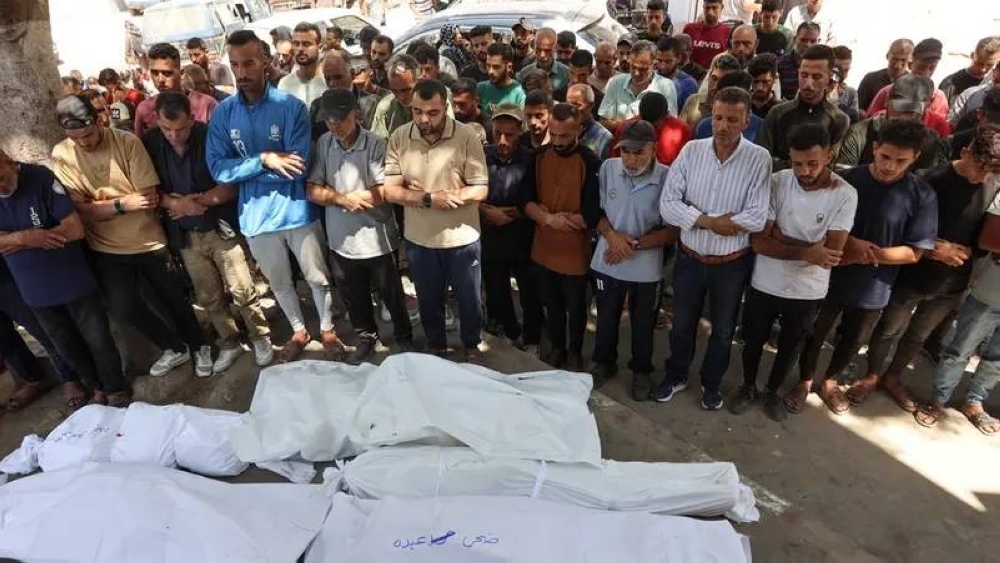
تشييع جثامين فلسطينيين قتلوا في غارة إسرائيلية على مدرسة تؤوي نازحين في غزة.


تابع قناة عكاظ على الواتساب
«عكاظ» (غزة، جدة) okaz_online@
Amid optimism about the potential announcement of a ceasefire in Gaza that Hamas is expected to agree to in the coming hours, informed sources revealed more details about the ceasefire agreement set to last for 60 days.
According to the sources, the deal includes a schedule for the release of 10 living Israeli prisoners in exchange for 1,000 Palestinian prisoners, as announced by Israeli Channel 14.
The American proposal stipulates: the release of 10 living Israeli prisoners and 15 bodies of deceased Israeli prisoners, with Hamas determining the identity of those to be released, the release of deceased Israeli prisoners in 3 separate batches during the 60-day period, and that the prisoner exchanges occur without celebrations. In return, at least 1,000 Palestinian prisoners will be released, including more than 100 serving life sentences.
The proposal also states that tens of thousands of trucks loaded with aid will enter the Gaza Strip during the ceasefire period, while Israel will not concede on the continued operation of aid distribution centers in the southern Gaza Strip.
According to the terms of the proposal, after the release of 8 prisoners, the Israeli army will withdraw from areas in northern Gaza, based on maps to be agreed upon, and an Israeli withdrawal from areas in the south will occur on the seventh day, according to agreed-upon maps. Technical teams are working on delineating the boundaries of the withdrawals during rapid negotiations held after agreeing on the general framework of the proposal.
The proposal indicated that negotiations to end the war could continue after the ceasefire (60 days) as long as they are conducted in good faith, with the United States serving as a guarantor for the implementation of this clause. However, there is no Israeli commitment to end the war, according to the Israeli channel.
With the commencement of the agreement, negotiations for a permanent ceasefire will begin, addressing 4 main points: the exchange of the remaining prisoners, long-term security arrangements in Gaza, "the day after" arrangements in the Strip, and the declaration of a permanent ceasefire.
On the tenth day, Hamas will provide all information and evidence regarding the remaining prisoners and whether they are alive or dead, along with medical reports, while Israel will provide complete information about the Palestinian prisoners who were arrested from Gaza since October 7, 2023. The mediators (the United States, Egypt, and Qatar) will provide guarantees that serious negotiations will take place during the ceasefire period.
Sources revealed that there are still contentious points, including Hamas's demand for a clear commitment to end the war, which is expected to come in an agreed-upon format announced by U.S. envoy Steve Wittekov, and an official announcement from the U.S. president regarding the agreement. The points of contention include Israel's opposition to the release of some Palestinian prisoners in Israeli jails, Hamas's demand for Israel to withdraw to positions prior to the collapse of the first ceasefire agreement on March 18, and the addition of arrangements for the entry of humanitarian aid into the Gaza Strip, where Israel insists on the continued operation of the Gaza humanitarian institution, while Hamas demands that aid be distributed through United Nations agencies.
According to the sources, the deal includes a schedule for the release of 10 living Israeli prisoners in exchange for 1,000 Palestinian prisoners, as announced by Israeli Channel 14.
The American proposal stipulates: the release of 10 living Israeli prisoners and 15 bodies of deceased Israeli prisoners, with Hamas determining the identity of those to be released, the release of deceased Israeli prisoners in 3 separate batches during the 60-day period, and that the prisoner exchanges occur without celebrations. In return, at least 1,000 Palestinian prisoners will be released, including more than 100 serving life sentences.
The proposal also states that tens of thousands of trucks loaded with aid will enter the Gaza Strip during the ceasefire period, while Israel will not concede on the continued operation of aid distribution centers in the southern Gaza Strip.
According to the terms of the proposal, after the release of 8 prisoners, the Israeli army will withdraw from areas in northern Gaza, based on maps to be agreed upon, and an Israeli withdrawal from areas in the south will occur on the seventh day, according to agreed-upon maps. Technical teams are working on delineating the boundaries of the withdrawals during rapid negotiations held after agreeing on the general framework of the proposal.
The proposal indicated that negotiations to end the war could continue after the ceasefire (60 days) as long as they are conducted in good faith, with the United States serving as a guarantor for the implementation of this clause. However, there is no Israeli commitment to end the war, according to the Israeli channel.
With the commencement of the agreement, negotiations for a permanent ceasefire will begin, addressing 4 main points: the exchange of the remaining prisoners, long-term security arrangements in Gaza, "the day after" arrangements in the Strip, and the declaration of a permanent ceasefire.
On the tenth day, Hamas will provide all information and evidence regarding the remaining prisoners and whether they are alive or dead, along with medical reports, while Israel will provide complete information about the Palestinian prisoners who were arrested from Gaza since October 7, 2023. The mediators (the United States, Egypt, and Qatar) will provide guarantees that serious negotiations will take place during the ceasefire period.
Sources revealed that there are still contentious points, including Hamas's demand for a clear commitment to end the war, which is expected to come in an agreed-upon format announced by U.S. envoy Steve Wittekov, and an official announcement from the U.S. president regarding the agreement. The points of contention include Israel's opposition to the release of some Palestinian prisoners in Israeli jails, Hamas's demand for Israel to withdraw to positions prior to the collapse of the first ceasefire agreement on March 18, and the addition of arrangements for the entry of humanitarian aid into the Gaza Strip, where Israel insists on the continued operation of the Gaza humanitarian institution, while Hamas demands that aid be distributed through United Nations agencies.


