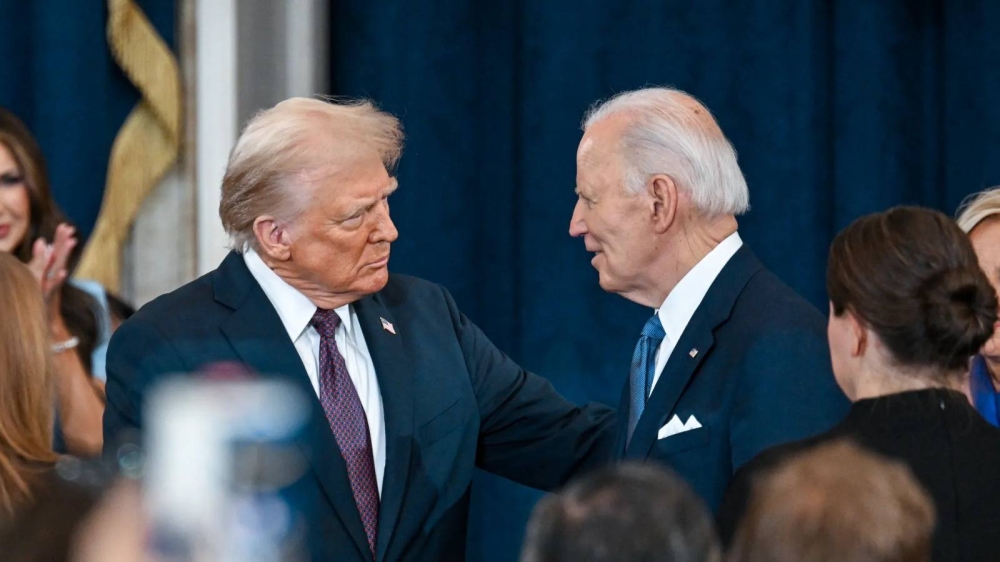
أعلن البيت الأبيض، أن تسعة من كبار مساعدي الرئيس السابق جو بايدن لن يتمتعوا بحماية الامتياز التنفيذي خلال جلسات استجوابهم في تحقيقات الكونغرس حول اللياقة العقلية لبايدن لتولي مهمات الرئاسة.
ووفقًا لموقع «أكسيوس»، هذه الخطوة تتيح للجنة الرقابة في مجلس النواب، التي يقودها الجمهوريون، استجواب هؤلاء المساعدين حول تفاصيل محادثاتهم الخاصة مع بايدن، ما لم يقرروا هم أو بايدن نفسه الطعن في القرار قضائيًا.
وتتركز التحقيقات الجارية، والتي تضم أربعة تحقيقات منفصلة، على تقييم ما إذا كانت الحالة الصحية لبايدن، البالغ من العمر 82 عامًا، قد أثرت على أدائه الرئاسي، مع مزاعم بأن فريقه ساعد في إخفاء أي تدهور محتمل في قدراته.
وفي هذا السياق، أرسل البيت الأبيض رسالة إلى نيرة تاندن، المستشارة السابقة للسياسات الداخلية، أمس (الثلاثاء)، لإبلاغها برفض منحها الامتياز التنفيذي، معتبرًا أن ذلك ليس في المصلحة الوطنية نظرًا للظروف الاستثنائية.
كما شمل قرار ترمب ثمانية مساعدين سابقين آخرين لبايدن، من بينهم أنتوني برنال (مستشار جيل بايدن)، وآني توماسيني، وآشلي ويليامز، ومايك دونيلون، وأنيتا دان، ورون كلاين، وبروس ريد، وستيف ريتشيتي.
وبدأت لجنة الرقابة استجواباتها مع «تاندن»، التي أكدت في بيانها الافتتاحي أن تفاعلاتها مع بايدن بعد مايو 2023 كانت محدودة، وأنها لم ترَ أي مؤشرات تدعو للتشكيك في قدراته الرئاسية.
ويُعتبر هذا القرار استثنائيًا، حيث تقليديًا يحافظ الرؤساء الحاليون على الامتياز التنفيذي لأسلافهم ومستشاريهم، حتى لو كانوا من أحزاب مختلفة، لحماية السلطة التنفيذية.
ومع ذلك، سبق لإدارة بايدن في عام 2021 أن رفضت منح الامتياز التنفيذي لمساعدي ترمب خلال التحقيق في أحداث اقتحام الكابيتول في 6 يناير.
ويلاحظ الخبراء أن صياغة الرسائل الحالية من إدارة ترمب تحاكي مبررات إدارة بايدن السابقة، مما يثير تساؤلات حول دوافع القرار، بما في ذلك احتمال وجود نوايا سياسية.
وقال جوناثان شوب، أستاذ القانون بجامعة كنتاكي لـ «أكسيوس»: هذا إجراء غير معتاد للغاية، حيث يُفترض أن يحمي الرئيس الحالي امتيازات الرؤساء السابقين.
وأشار مارك روزيل، عميد كلية السياسة والحكومة بجامعة جورج ميسون، إلى أن القرار قد يكون بدافع الانتقام، مستندًا إلى تشابه مبرراته مع قرارات إدارة بايدن السابقة.
وأضاف ميتشل سولينبرغر، أستاذ العلوم السياسية بجامعة ميشيغان: قد يكون ترمب يرى في هذا القرار مصلحة شخصية، وهو أمر نادر حيث لا يسعى لتعزيز السلطات الرئاسية.
فيما امتنع متحدث باسم بايدن عن التعليق، بينما أكدت تاندن في بيانها أنها لم تشهد أي دليل يشكك في كفاءة بايدن خلال عملها في البيت الأبيض.
The White House announced that nine senior aides to former President Joe Biden will not enjoy executive privilege during their questioning sessions in congressional investigations regarding Biden's mental fitness to carry out presidential duties.
According to Axios, this move allows the Republican-led House Oversight Committee to question these aides about the details of their private conversations with Biden, unless they or Biden himself decide to legally challenge the decision.
The ongoing investigations, which include four separate inquiries, focus on assessing whether Biden's health, at 82 years old, has affected his presidential performance, amid allegations that his team helped conceal any potential decline in his abilities.
In this context, the White House sent a message to Neera Tanden, former domestic policy advisor, yesterday (Tuesday), informing her of the denial of executive privilege, stating that it is not in the national interest given the exceptional circumstances.
The decision also included eight other former aides to Biden, including Anthony Bernal (advisor to Jill Biden), Annie Tomasini, Ashley Williams, Mike Donilon, Anita Dunn, Ron Klain, Bruce Reed, and Steve Ricchetti.
The Oversight Committee began its questioning with Tanden, who confirmed in her opening statement that her interactions with Biden after May 2023 were limited, and that she did not see any indicators that would raise doubts about his presidential capabilities.
This decision is considered exceptional, as traditionally current presidents maintain the executive privileges of their predecessors and advisors, even if they are from different parties, to protect the executive branch.
However, the Biden administration previously denied executive privilege to Trump aides during the investigation into the Capitol riot on January 6, 2021.
Experts note that the current messaging from the Trump administration mirrors the justifications of the previous Biden administration, raising questions about the motivations behind the decision, including the possibility of political intentions.
Jonathan Shoop, a law professor at the University of Kentucky, told Axios: "This is an extremely unusual procedure, as the current president is supposed to protect the privileges of former presidents."
Mark Rozell, dean of the Schar School of Policy and Government at George Mason University, pointed out that the decision may be driven by revenge, based on the similarity of its justifications to previous Biden administration decisions.
Mitchell Sollenberger, a political science professor at the University of Michigan, added: "Trump may see this decision as a personal interest, which is rare as he is not seeking to enhance presidential powers."
Meanwhile, a spokesperson for Biden declined to comment, while Tanden confirmed in her statement that she did not witness any evidence questioning Biden's competence during her time at the White House.