أفصحت وكالة «أسوشيتد برس»، أن الاستهداف «غير المسبوق»، للولايات المتحدة على مواقع نووية في إيران، استغرق سنوات من التحضير، وتضمن في لحظاته الأخيرة أنشطة «خداع» أضفت على العملية عنصر مفاجأة قويّاً.
وأفادت الوكالة الأمريكية، اليوم (الإثنين)، بأن طيارين أمريكيين أسقطوا، في وقت مبكر من أمس الأحد، قنابل تزن 30 ألف رطل على منشأتين رئيسيتين لتخصيب اليورانيوم تحت الأرض في إيران، لتوجيه ما يعتقد قادة عسكريون أمريكيون أنه «ضربة قاضية» للبرنامج النووي.
وعزز البحارة الأمريكيون عنصر المفاجأة في المهمة، عبر إطلاق العشرات من صواريخ «كروز» من غواصة باتجاه موقع آخر واحد على الأقل، بحسب الوكالة.
وقال مسؤولون أمريكيون إن العملية التي سميت «مطرقة منتصف الليل» اتسمت بـ«ضربة دقيقة» دمرت البرنامج النووي، رغم إقرارهم بأن عملية التقييم لا تزال جارية، فيما نفت طهران وقوع أضرار جسيمة، وتوعدت بالرد.
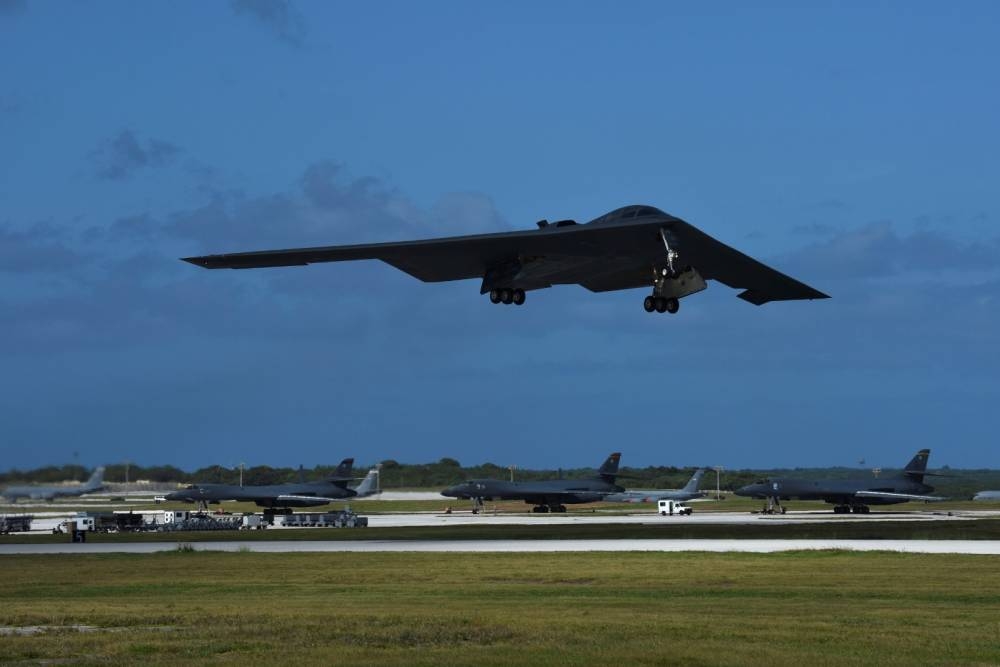
وانطلقت قاذفات B-2 الشبح من قلب الولايات المتحدة محملة بما مجموعه 420 ألف رطل من المتفجرات، رافقتها أسراب من طائرات التزوّد بالوقود والمقاتلات، التي أطلق بعضها أسلحته الخاصة.
وحسب مسؤولين أمريكيين فإن إيران، لم ترصد وابل القصف القادم، ولم تطلق طلقة واحدة باتجاه الطائرات الأمريكية.
وأفصح المسؤولون أن العملية اعتمدت على سلسلة من أساليب الخداع والتمويه للحفاظ على سريتها، وجاءت في أعقاب 9 أيام من الضربات الإسرائيلية التي «أضعفت» أنظمة الدفاع الجوي لإيران.
وحسب الوكالة، فإن خطة التمويه الأمريكية بدأت قبل إقلاع الطائرات، ومع بدء تنفيذ أجزاء من الخطة، أعلن ترمب، الخميس، أنه سيتخذ قراراً خلال أسبوعين بشأن توجيه ضربة لإيران، في خطوة بدت وكأنها تمنح مزيداً من الوقت للمفاوضات، لكنها كانت في الواقع تغطي على الهجوم الوشيك.
وأضافت أن مجموعة من قاذفات B-2 الشبح، توجهت، السبت، غرباً من ولاية ميزوري في إطار خطة التمويه، نحو قاعدة أمريكية في المحيط الهادئ. وحلقت سبع قاذفات أخرى من طراز B-2 شرقاً، وكانت كل واحدة منها تحمل قنبلتين خارقتين للتحصينات طرازGBU-57A/B، مع الحفاظ على الحد الأدنى من الاتصالات لتفادي أي رصد أو لفت انتباه.
وأقر رئيس هيئة الأركان المشتركة الجنرال دان كاين، بأن كل ذلك كان «جزءاً من خطة للحفاظ على عنصر المفاجأة التكتيكية»، كاشفاً أن عدداً بالغ الصغر من المخططين وكبار القادة» فقط كان على علم بها في واشنطن وفلوريدا، حيث مقر القيادة المركزية الأمريكية (CENTCOM).
وقبل دخول المجال الجوي الإيراني، رافقت قاذفاتB-2 مقاتلات شبحية وطائرات استطلاع أمريكية. وأظهرت خريطة نشرتها وزارة الدفاع (البنتاغون) أن مسار الطيران مر فوق لبنان وسورية والعراق، دون أن يتضح ما إذا كانت تلك الدول أُبلغت مسبقاً بتحليق الطائرات فوق أجوائها.
قاذفة الشبح الأمريكية.
وقال وزير الدفاع الأمريكي بيت هيجسيث،: «قاذفاتنا B-2 دخلت (إيران) وخرجت وعادت من دون أن يعلم العالم بذلك على الإطلاق».
وقبل نحو ساعة من دخول قاذفات B-2 الأجواء الإيرانية، أطلقت غواصة أمريكية في المنطقة أكثر من 20 صاروخ كروز طراز «توماهوك» على أهداف رئيسية، بينها موقع في أصفهان يُستخدم لتحضير اليورانيوم لعمليات التخصيب.
وفي تمام الساعة 06:40 مساءً بتوقيت واشنطن (02:10 فجراً بتوقيت طهران)، أسقطت أول قاذفة B-2 قنبلتيها من طراز GBU-57 الخارقتين للتحصينات على منشأة «فوردو» لتخصيب اليورانيوم، المدفونة على عمق كبير تحت الأرض.
وكانت هذه هي المرة الأولى التي تُستخدم فيها هذه القنابل المعروفة في سلاح الجو باسم «العتاد الخارق الضخم» (MOP) في القتال، وتزن كل قنبلة 30 ألف رطل، وهي مصممة لاختراق الأرض قبل أن تنفجر برأس حربي ضخم.
وتركزت الضربات بشكل رئيسي على منشأة «فوردو»، رغم أن قنبلتين عملاقتين على الأقل استهدفتا أيضاً موقعاً آخر لتخصيب اليورانيوم في «نطنز».
شملت العملية 75 سلاحاً موجهاً بدقة، بينها 14 قنبلة خارقة للتحصينات طراز GBU-57 أطلقتها 7 قاذفات شبحية طراز B-2 Spirit، وأكثر من 20 صاروخ كروز طراز «توماهوك» أُطلقت من غواصة أمريكية.
وشاركت في العملية 125 طائرة، شملت قاذفاتB-2، ومقاتلات وطائرات تزوّد بالوقود.
وأعلن وزير الدفاع أن هذه أكبر ضربة قتالية تنفذها قاذفاتB-2 في تاريخ الولايات المتحدة، وثاني أطول مهمة طيران تنفذها هذه القاذفات على الإطلاق، بعد تلك التي جرت في أعقاب هجمات 11 سبتمبر».
وأثناء انشغال الخبراء بمناقشة سبب توجه القاذفات نحو غوام، بدلاً من قاعدة «دييجو جارسيا» في المحيط الهندي، الأقرب إلى إيران، التي تتمركز فيها قوات أمريكية وبريطانية، كانت الولايات المتحدة تنفذ فعلياً هجوماً سرياً للغاية ضد إيران.
وفي وقت مبكر صباح السبت بتوقيت الساحل الشرقي للولايات المتحدة، أقلعت 7 قاذفات شبحية أخرى طراز B-2 من قاعدة «وايتمان» الجوية في ولاية ميزوري. وعلى عكس القاذفات التي توجهت نحو المحيط الهادئ وظهرت على الرادارات في بعض الأوقات، حلقت هذه الطائرات السبع شرقاً في وضعية التخفي التام.
وأكد النائب السابق لمدير التخطيط والاستراتيجية في القيادة المركزية الأمريكية مارك كيميت، أن مستوى السرية في العملية كان لافتاً.
The "Associated Press" agency revealed that the "unprecedented" targeting of the United States on nuclear sites in Iran took years of preparation, and included in its final moments activities of "deception" that added a strong element of surprise to the operation.
The American agency reported today (Monday) that American pilots dropped, early yesterday Sunday, bombs weighing 30,000 pounds on two main underground uranium enrichment facilities in Iran, to deliver what American military leaders believe to be a "knockout blow" to the nuclear program.
American sailors enhanced the element of surprise in the mission by launching dozens of cruise missiles from a submarine towards at least one other site, according to the agency.
American officials stated that the operation, dubbed "Midnight Hammer," was characterized by a "precise strike" that destroyed the nuclear program, although they acknowledged that the assessment process is still ongoing, while Tehran denied any significant damage and vowed to retaliate.
B-2 stealth bombers took off from the heart of the United States loaded with a total of 420,000 pounds of explosives, accompanied by swarms of refueling aircraft and fighters, some of which launched their own weapons.
According to American officials, Iran did not detect the incoming barrage of bombing and did not fire a single shot at the American planes.
The officials revealed that the operation relied on a series of deception and camouflage techniques to maintain its secrecy, coming after nine days of Israeli strikes that "weakened" Iran's air defense systems.
According to the agency, the American camouflage plan began before the aircraft took off, and as parts of the plan were being executed, Trump announced on Thursday that he would make a decision within two weeks regarding a strike on Iran, in a move that seemed to grant more time for negotiations, but was actually covering for the imminent attack.
It added that a group of B-2 stealth bombers headed west from Missouri on Saturday as part of the camouflage plan towards an American base in the Pacific. Seven other B-2 bombers flew east, each carrying two GBU-57A/B penetrating bombs, while maintaining minimal communications to avoid detection or drawing attention.
Chairman of the Joint Chiefs of Staff General Dan Kaine acknowledged that all of this was "part of a plan to maintain the element of tactical surprise," revealing that a very small number of planners and senior leaders were aware of it in Washington and Florida, where the U.S. Central Command (CENTCOM) is based.
Before entering Iranian airspace, the B-2 bombers were escorted by stealth fighters and American reconnaissance aircraft. A map published by the Defense Department (Pentagon) showed that the flight path passed over Lebanon, Syria, and Iraq, although it was unclear whether those countries were informed in advance about the aircraft flying over their airspace.
قاذفة الشبح الأمريكية.
U.S. Defense Secretary Pete Hegseth stated: "Our B-2 bombers entered (Iran) and exited and returned without the world ever knowing about it."
About an hour before the B-2 bombers entered Iranian airspace, an American submarine in the area launched more than 20 Tomahawk cruise missiles at key targets, including a site in Isfahan used for preparing uranium for enrichment operations.
At exactly 6:40 PM Washington time (2:10 AM Tehran time), the first B-2 bomber dropped its two GBU-57 penetrating bombs on the "Fordow" uranium enrichment facility, buried deep underground.
This was the first time these bombs, known in the Air Force as "Massive Ordnance Penetrator" (MOP), were used in combat, with each bomb weighing 30,000 pounds and designed to penetrate the ground before exploding with a massive warhead.
The strikes were primarily focused on the "Fordow" facility, although at least two massive bombs also targeted another uranium enrichment site in "Natanz."
The operation included 75 precision-guided weapons, including 14 GBU-57 penetrating bombs launched by 7 B-2 Spirit stealth bombers, and more than 20 Tomahawk cruise missiles launched from an American submarine.
125 aircraft participated in the operation, including B-2 bombers, fighters, and refueling aircraft.
The Defense Secretary announced that this was the largest combat strike carried out by B-2 bombers in U.S. history, and the second longest flight mission ever conducted by these bombers, after those that took place following the September 11 attacks.
While experts were busy discussing why the bombers were heading towards Guam instead of the "Diego Garcia" base in the Indian Ocean, which is closer to Iran and hosts American and British forces, the United States was actually conducting a highly secretive attack against Iran.
In the early morning hours of Saturday, U.S. Eastern Time, 7 more B-2 stealth bombers took off from Whiteman Air Force Base in Missouri. Unlike the bombers that headed towards the Pacific and appeared on radar at times, these seven aircraft flew east in complete stealth mode.
Mark Kimmitt, former Deputy Director for Planning and Strategy at U.S. Central Command, confirmed that the level of secrecy in the operation was remarkable.