


غيّرت ناقلتا نفط عملاقتان اتجاههما قبل الوصول إلى مضيق هرمز بعد الاستهداف الأمريكي لمواقع نووية إيرانية، بحسب ما أظهرت بيانات تتبع السفن، اليوم (الإثنين).
وأوصى البرلمان الإيراني، الأحد، بإغلاق مضيق هرمز، الذي يمر عبره نحو 20% من الطلب العالمي على النفط والغاز، وأحال القرار إلى المجلس الأعلى للأمن القومي.
وأفادت مصادر في قطاع النفط أن الاضطراب واضح بالفعل، إذ تتجنب ناقلات النفط البقاء لوقت أطول من اللازم في المضيق.
وذكرت شركة «سنتوسا شيب بروكرز»، ومقرها سنغافورة، أن عدد ناقلات النفط الفارغة التي دخلت الخليج انخفض 32% خلال الأسبوع الماضي، بينما انخفضت أعداد ناقلات النفط المحملة المغادرة 27% عن مستويات أوائل مايو.
وأظهرت بيانات «كبلر» ومجموعة بورصات لندن أن ناقلة النفط الخام العملاقة «كوزويسدوم ليك» وصلت إلى المضيق أمس (الأحد)، قبل أن تعود أدراجها متجهة جنوباً. وعادت اليوم (الإثنين)، مستأنفة رحلتها نحو ميناء زيركو في الإمارات.
وأظهرت بيانات مجموعة بورصات لندن أن ناقلة النفط العملاقة «ساوث لويالتي» اتخذت مساراً مشابهاً وبقيت خارج المضيق اليوم (الإثنين). وكان من المقرر أن تُحمّل الناقلة النفط الخام من ميناء البصرة العراقي، وفقاً لبيانات «كبلر» ومصدرين بقطاع الشحن.
وأظهرت بيانات «كبلر» ومجموعة بورصات لندن أن الناقلة «كوزويسدوم ليك» كان من المقرر أن تُحمّل النفط الخام في زيركو لتسليمه إلى الصين. واستأجرتها شركة يونيبك، وهي الذراع التجارية لشركة سينوبك الصينية الحكومية.
وذكر المتحدث باسم شركة فورموزا التايوانية للبتروكيماويات كي لين أن ملاك السفن سيحاولون تقليل الوقت الذي تقضيه السفن في مضيق هرمز بسبب الصراع «لن تدخل السفن المنطقة إلا حين يقترب موعد تحميلها».
وأعلنت شركتا نيبون يوسن وميتسوي أو.إس.كيه لاينز اليابانيتان للشحن، أنهما ستواصلان عبور المضيق، لكنهما أصدرتا تعليمات لسفنهما بتقليل وقت البقاء في الخليج. وكشف عدد من تجار النفط والمحللين، أنه جرى تحذيرهم من تأخيرات محتملة في الشحن؛ لأن السفن تنتظر دورها خارج المنطقة.
وأفادت قناة «برس تي.في» الإيرانية بأن مجلس الشورى وافق أمس، على إغلاق المضيق، لكن أي خطوة من هذا النوع تتطلب موافقة المجلس الأعلى للأمن القومي.
قبل الوصول إلى مضيق هرمز.. ناقلات نفط تغيّر مسارها أو تتوقف مؤقتاً
23 يونيو 2025 - 15:45
|
آخر تحديث 23 يونيو 2025 - 15:45
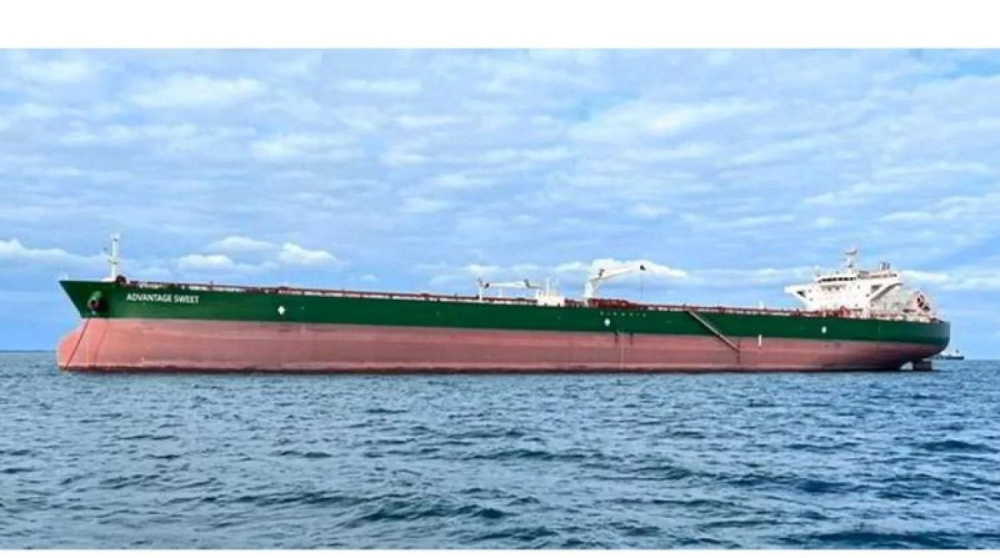
ناقلة نفط في مضيق هرمز.


تابع قناة عكاظ على الواتساب
«عكاظ» (جدة) okaz_online@
Two giant oil tankers changed their course before reaching the Strait of Hormuz following the U.S. targeting of Iranian nuclear sites, according to ship tracking data released today (Monday).
The Iranian parliament recommended on Sunday to close the Strait of Hormuz, through which about 20% of the world's oil and gas demand passes, and referred the decision to the Supreme National Security Council.
Sources in the oil sector reported that the disruption is already evident, as oil tankers are avoiding staying longer than necessary in the strait.
Singapore-based company "Centosa Ship Brokers" noted that the number of empty oil tankers entering the Gulf decreased by 32% over the past week, while the number of loaded oil tankers departing dropped by 27% from early May levels.
Data from "Kpler" and the London Stock Exchange Group showed that the giant crude oil tanker "Kuzoisdom Lake" arrived at the strait yesterday (Sunday) before turning back south. It returned today (Monday), resuming its journey towards the Zirku port in the UAE.
Data from the London Stock Exchange Group indicated that the giant oil tanker "South Loyalty" took a similar route and remained outside the strait today (Monday). The tanker was scheduled to load crude oil from the Iraqi port of Basra, according to "Kpler" data and shipping sector sources.
"Kpler" data and the London Stock Exchange Group showed that the "Kuzoisdom Lake" was supposed to load crude oil in Zirku for delivery to China. It was chartered by Unipec, the trading arm of the Chinese state-owned company Sinopec.
Ki Lin, a spokesperson for Taiwanese Formosa Petrochemicals, stated that ship owners will try to minimize the time vessels spend in the Strait of Hormuz due to the conflict, saying, "Ships will not enter the area until their loading time approaches."
Japanese shipping companies Nippon Yusen and Mitsui O.S.K. Lines announced that they will continue to transit the strait, but they issued instructions to their ships to reduce the time spent in the Gulf. Several oil traders and analysts revealed that they were warned of potential shipping delays as ships wait their turn outside the area.
Iranian channel "Press TV" reported that the Shura Council approved yesterday the closure of the strait, but any such action requires the approval of the Supreme National Security Council.
The Iranian parliament recommended on Sunday to close the Strait of Hormuz, through which about 20% of the world's oil and gas demand passes, and referred the decision to the Supreme National Security Council.
Sources in the oil sector reported that the disruption is already evident, as oil tankers are avoiding staying longer than necessary in the strait.
Singapore-based company "Centosa Ship Brokers" noted that the number of empty oil tankers entering the Gulf decreased by 32% over the past week, while the number of loaded oil tankers departing dropped by 27% from early May levels.
Data from "Kpler" and the London Stock Exchange Group showed that the giant crude oil tanker "Kuzoisdom Lake" arrived at the strait yesterday (Sunday) before turning back south. It returned today (Monday), resuming its journey towards the Zirku port in the UAE.
Data from the London Stock Exchange Group indicated that the giant oil tanker "South Loyalty" took a similar route and remained outside the strait today (Monday). The tanker was scheduled to load crude oil from the Iraqi port of Basra, according to "Kpler" data and shipping sector sources.
"Kpler" data and the London Stock Exchange Group showed that the "Kuzoisdom Lake" was supposed to load crude oil in Zirku for delivery to China. It was chartered by Unipec, the trading arm of the Chinese state-owned company Sinopec.
Ki Lin, a spokesperson for Taiwanese Formosa Petrochemicals, stated that ship owners will try to minimize the time vessels spend in the Strait of Hormuz due to the conflict, saying, "Ships will not enter the area until their loading time approaches."
Japanese shipping companies Nippon Yusen and Mitsui O.S.K. Lines announced that they will continue to transit the strait, but they issued instructions to their ships to reduce the time spent in the Gulf. Several oil traders and analysts revealed that they were warned of potential shipping delays as ships wait their turn outside the area.
Iranian channel "Press TV" reported that the Shura Council approved yesterday the closure of the strait, but any such action requires the approval of the Supreme National Security Council.


