


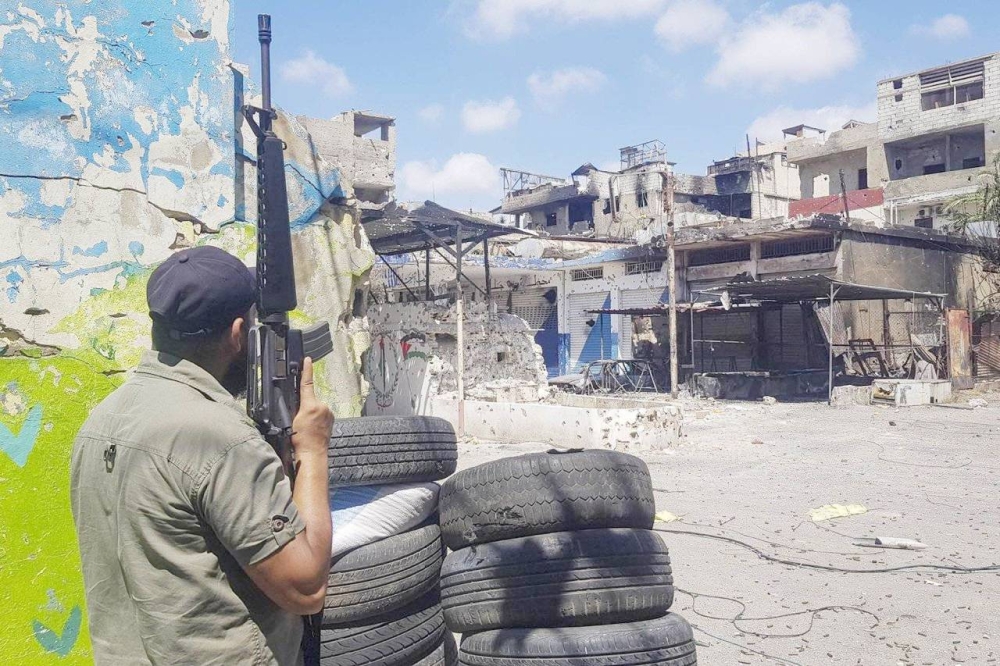
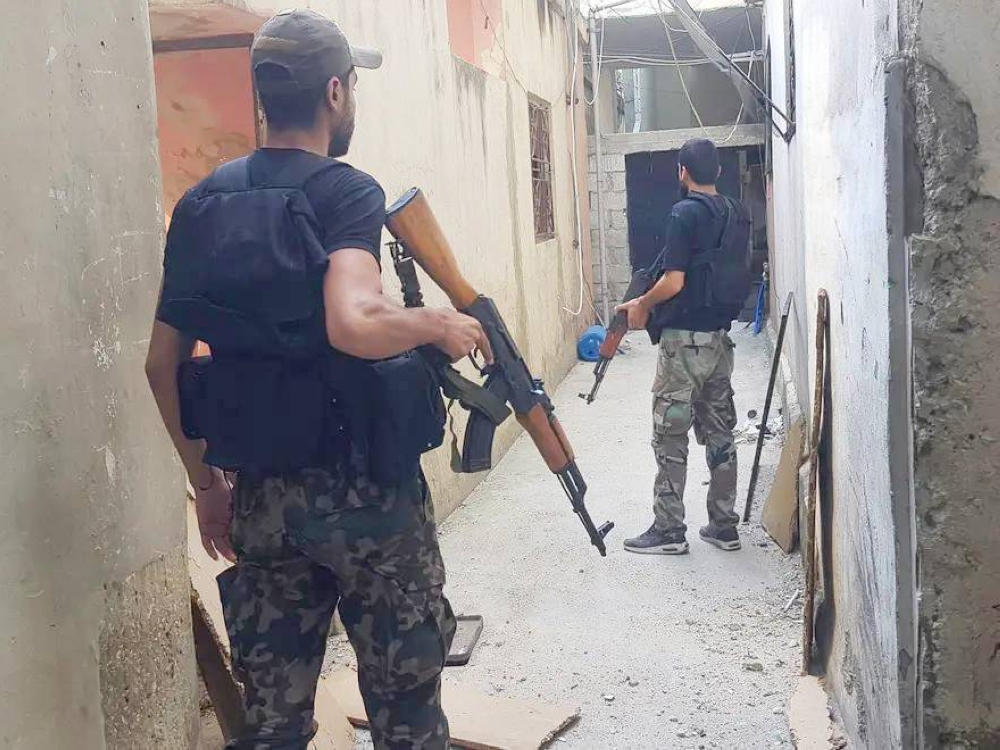
في لبنان، تمر المواعيد كما تمر العواصف.. ضجيج في العلن وصمت عند الاستحقاق. هكذا مضى يوم 16 يونيو، الموعد المفترض لانطلاق خطة تسليم السلاح الفلسطيني من بعض مخيمات بيروت، بلا أثر يُذكر.. لا بيان، لا خطوة رمزية، لا حتى نفي أو تأجيل رسمي. كأن شيئاً لم يُتفق عليه. كأن التوقيت تبخّر من ذاكرة الأطراف، وبات الصمت المتعمد جزءاً من أدوات إدارة هذا الملف الشائك، أو بالأحرى، تجميده على نار الإقليم.
صحيح أن الحرب المتصاعدة بين إسرائيل وإيران خلطت الأوراق على مستوى المنطقة، لكن في الحالة الفلسطينية- اللبنانية، لم تكن هناك أوراق مرتبة أصلًا. فلا حماسة فلسطينية حقيقية ظهرت في الأسابيع التي تلت إعلان التفاهم اللبناني- الفلسطيني (منتصف مايو)، ولا ترجمة ميدانية لأي التزام معلن، ولا تواصلَ فعليّاً يوحي بأن الأمور تسير نحو التطبيق. ما جرى لم يكن تأجيلاً، بل انكشافاً: لا توافق فلسطيني داخليّاً، ولا جهوزية تنفيذية، ولا جدول زمنيّاً واضحاً. وهذا كله قبل الحرب.
التفاهمات السياسية تصطدم بواقع الانقسام
تتفق مصادر سياسية مطلعة على أن الفجوة الأهم ليست في التوقيت، بل في البنية نفسها. فالسلطة الفلسطينية أطلقت وعداً لم يُستكمل، ومنظمة التحرير لم تُجمع عليه، والفصائل خارجها لم تتبنَ أصلًا فكرة «تسليم السلاح»، لا على المستوى العسكري ولا حتى على المستوى الرمزي. وفي ظل انقسامات داخلية متجذرة، بدا الاتفاق وكأنه محاولة دبلوماسية لإرضاء لبنان، أكثر من كونه مشروعاً جدياً لنزع السلاح من المخيمات.
وما زاد الصورة التباساً، هو أن خطة التسليم التي طُرحت لم ترتكز على آليات عملانية واضحة، ولا على ضمانات فلسطينية موحدة. فالحديث عن تسليم متدرج يبدأ من بيروت (16 يونيو) ثم ينتقل إلى الجنوب (1 يوليو)، ظل مجرد توصيف عام لنية غير قابلة للتحقق في المدى القريب.
الحرب ذريعة.. لا سبباً
لا يمكن فصل قرار التأجيل عن تصعيد الحرب بين إسرائيل وإيران، لكن من المجحف اختزال التأجيل بهذا العامل وحده، ذلك أن معظم الجهات المعنية سواء في الدولة اللبنانية أو في القيادة الفلسطينية كانت تعلم منذ البداية أن الملف لن يتحرك بسهولة، لا في ظل الانقسام السياسي الفلسطيني ولا في ظل هشاشة التفاهمات داخل المخيمات.
بعض الفصائل ومنها المنضوية في تحالف القوى كانت واضحة منذ البداية: لا سحب فعلياً للسلاح، بل تنظيم له تحت مظلة القوى الأمنية المشتركة؛ أي أن نقطة الانطلاق بالنسبة لهذه الجهات لم تكن التفكيك، بل إعادة التموضع بما يتناسب مع توازنات المخيم لا مع حسابات الدولة اللبنانية.
الرفض لم يكن خفياً، فحماس والجهاد الإسلامي لم تُخفِ تحفظها على مبدأ نزع السلاح، واعتبرتا أنه يجب التمييز بين السلاح «المقاوم» والسلاح «الفوضوي»، ورفضتا شمول القرار بفصائلهما. وهذا ما أدى إلى انكشاف هشاشة المظلة التوافقية التي استند إليها التفاهم.
الحسابات الإقليمية وصمت الداخل
في خلفية المشهد، لا يمكن تجاهل دور المفاوضات الأمريكية- الإيرانية وتعقيدات الملف النووي؛ حيث يتحول السلاح الفلسطيني في لبنان إلى ورقة ضمن صراع أوسع. تدرك القوى الفلسطينية أن الضغط لتفكيك السلاح لا يأتي من داخل لبنان وحده، بل من مسارات دولية تتقاطع عند حدود المخيمات. ولهذا تتعامل الفصائل مع الموضوع ببرودة مدروسة، تحافظ من خلالها على أدواتها بانتظار تبدل المناخات الإقليمية.
وفي هذا السياق، اعتبر رئيس لجنة الحوار اللبناني الفلسطيني السفير رامز دمشقية، أن الحوار الذي لا يزال دائراً بين المسؤولين الفلسطينيين في لبنان وقيادات رام الله إضافة إلى الحوار بين الفصائل والأحزاب الفلسطينية داخل لبنان، هو السبب الأبرز لتأخير الخطة. وأفاد بأن الدولة اللبنانية على موقفها بتكريس مبدأ التفاهمات والخطط القابلة للتنفيذ دون وقوع صدامات.
أما على الساحة اللبنانية، فالدولة تسير بخطى بطيئة، متجنبة المواجهة ومكتفية بالتذكير بـ«الحق السيادي»، من دون خطوات حاسمة. هكذا تم تكليف الأمن العام بمهمة التواصل ووضعت اللجنة المشتركة خططاً مرحلية لكن دون أي ضغط زمني ولا حتى خريطة طريق ملزمة.
«16 يونيو» يتعثّر بين الانقسام الفلسطيني والحسابات الإقليمية
«سلاح المخيمات» يمدّد الإقامة في لبنان
20 يونيو 2025 - 03:13
|
آخر تحديث 20 يونيو 2025 - 03:13


تابع قناة عكاظ على الواتساب
راوية حشمي (بيروت) HechmiRawiya@
In Lebanon, deadlines pass like storms... noise in public and silence at the time of obligation. Thus, June 16 went by, the supposed date for the start of the plan to hand over Palestinian weapons from some camps in Beirut, with little to no trace... no statement, no symbolic step, not even an official denial or postponement. As if nothing had been agreed upon. As if the timing had evaporated from the memory of the parties, and deliberate silence had become part of the tools for managing this complex file, or rather, freezing it on the regional back burner.
It is true that the escalating war between Israel and Iran has mixed the cards at the regional level, but in the Palestinian-Lebanese case, there were no organized cards to begin with. There was no real Palestinian enthusiasm in the weeks following the announcement of the Lebanese-Palestinian understanding (mid-May), no field translation of any declared commitment, and no actual communication suggesting that things were moving towards implementation. What happened was not a postponement, but an exposure: no internal Palestinian agreement, no executive readiness, and no clear timeline. And all of this was before the war.
Political understandings collide with the reality of division
Informed political sources agree that the most significant gap is not in timing, but in the structure itself. The Palestinian Authority launched a promise that was not fulfilled, the Palestine Liberation Organization did not reach a consensus on it, and the factions outside it did not adopt the idea of "handing over weapons" at all, neither on a military level nor even on a symbolic one. In light of deep-rooted internal divisions, the agreement seemed more like a diplomatic attempt to appease Lebanon than a serious project for disarming the camps.
What further complicated the picture is that the proposed handover plan did not rely on clear operational mechanisms, nor on unified Palestinian guarantees. The talk of a gradual handover starting from Beirut (June 16) and then moving to the south (July 1) remained merely a general description of an intention that is not achievable in the near term.
The war as an excuse... not a reason
The decision to postpone cannot be separated from the escalation of the war between Israel and Iran, but it is unfair to reduce the postponement to this factor alone, as most of the concerned parties, whether in the Lebanese state or in the Palestinian leadership, knew from the beginning that the file would not move easily, neither in light of the Palestinian political division nor the fragility of the understandings within the camps.
Some factions, including those aligned with the Alliance of Forces, were clear from the beginning: there would be no actual withdrawal of weapons, but rather an organization of them under the umbrella of the joint security forces; meaning that the starting point for these parties was not disassembly, but repositioning in accordance with the balances of the camps, not with the calculations of the Lebanese state.
The rejection was not hidden, as Hamas and Islamic Jihad did not conceal their reservations about the principle of disarmament, arguing that a distinction should be made between "resistance" weapons and "chaotic" weapons, and they refused to include their factions in the decision. This led to the exposure of the fragility of the consensus umbrella upon which the understanding relied.
Regional calculations and internal silence
In the background of the scene, one cannot ignore the role of American-Iranian negotiations and the complexities of the nuclear file; where Palestinian weapons in Lebanon turn into a card within a broader conflict. The Palestinian forces understand that the pressure to dismantle weapons does not come solely from within Lebanon, but from international pathways that intersect at the borders of the camps. Therefore, the factions deal with the issue with calculated coldness, preserving their tools while awaiting changes in regional climates.
In this context, the head of the Lebanese-Palestinian Dialogue Committee, Ambassador Ramez Damaske, considered that the ongoing dialogue between Palestinian officials in Lebanon and Ramallah leaders, in addition to the dialogue among Palestinian factions and parties within Lebanon, is the main reason for the delay of the plan. He stated that the Lebanese state maintains its position of establishing the principle of understandings and executable plans without clashes occurring.
As for the Lebanese arena, the state is moving at a slow pace, avoiding confrontation and contenting itself with reminding of the "sovereign right," without decisive steps. Thus, the General Security was tasked with the mission of communication, and the joint committee laid out phased plans but without any time pressure or even a binding roadmap.
It is true that the escalating war between Israel and Iran has mixed the cards at the regional level, but in the Palestinian-Lebanese case, there were no organized cards to begin with. There was no real Palestinian enthusiasm in the weeks following the announcement of the Lebanese-Palestinian understanding (mid-May), no field translation of any declared commitment, and no actual communication suggesting that things were moving towards implementation. What happened was not a postponement, but an exposure: no internal Palestinian agreement, no executive readiness, and no clear timeline. And all of this was before the war.
Political understandings collide with the reality of division
Informed political sources agree that the most significant gap is not in timing, but in the structure itself. The Palestinian Authority launched a promise that was not fulfilled, the Palestine Liberation Organization did not reach a consensus on it, and the factions outside it did not adopt the idea of "handing over weapons" at all, neither on a military level nor even on a symbolic one. In light of deep-rooted internal divisions, the agreement seemed more like a diplomatic attempt to appease Lebanon than a serious project for disarming the camps.
What further complicated the picture is that the proposed handover plan did not rely on clear operational mechanisms, nor on unified Palestinian guarantees. The talk of a gradual handover starting from Beirut (June 16) and then moving to the south (July 1) remained merely a general description of an intention that is not achievable in the near term.
The war as an excuse... not a reason
The decision to postpone cannot be separated from the escalation of the war between Israel and Iran, but it is unfair to reduce the postponement to this factor alone, as most of the concerned parties, whether in the Lebanese state or in the Palestinian leadership, knew from the beginning that the file would not move easily, neither in light of the Palestinian political division nor the fragility of the understandings within the camps.
Some factions, including those aligned with the Alliance of Forces, were clear from the beginning: there would be no actual withdrawal of weapons, but rather an organization of them under the umbrella of the joint security forces; meaning that the starting point for these parties was not disassembly, but repositioning in accordance with the balances of the camps, not with the calculations of the Lebanese state.
The rejection was not hidden, as Hamas and Islamic Jihad did not conceal their reservations about the principle of disarmament, arguing that a distinction should be made between "resistance" weapons and "chaotic" weapons, and they refused to include their factions in the decision. This led to the exposure of the fragility of the consensus umbrella upon which the understanding relied.
Regional calculations and internal silence
In the background of the scene, one cannot ignore the role of American-Iranian negotiations and the complexities of the nuclear file; where Palestinian weapons in Lebanon turn into a card within a broader conflict. The Palestinian forces understand that the pressure to dismantle weapons does not come solely from within Lebanon, but from international pathways that intersect at the borders of the camps. Therefore, the factions deal with the issue with calculated coldness, preserving their tools while awaiting changes in regional climates.
In this context, the head of the Lebanese-Palestinian Dialogue Committee, Ambassador Ramez Damaske, considered that the ongoing dialogue between Palestinian officials in Lebanon and Ramallah leaders, in addition to the dialogue among Palestinian factions and parties within Lebanon, is the main reason for the delay of the plan. He stated that the Lebanese state maintains its position of establishing the principle of understandings and executable plans without clashes occurring.
As for the Lebanese arena, the state is moving at a slow pace, avoiding confrontation and contenting itself with reminding of the "sovereign right," without decisive steps. Thus, the General Security was tasked with the mission of communication, and the joint committee laid out phased plans but without any time pressure or even a binding roadmap.





