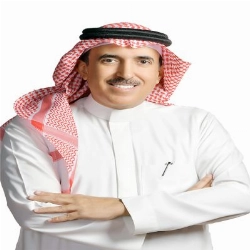
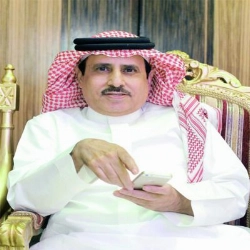
دعا الأمين العام لمجلس التعاون الخليجي جاسم البديوي اليوم (الإثنين) جميع الدول والأطراف إلى ضبط النفس، والامتناع عن أي أعمال عسكرية، تفادياً لانزلاق خطير نحو صراع أوسع لا يمكن التنبؤ بنتائجه أو السيطرة عليه، مؤكداً أن الهجمات الإسرائيلية على إيران زادت من حدة التوتر في الإقليم والمنطقة، وفتحت الباب أمام سيناريوهات مبهمة ومقلقة.
وأمام الاجتماع الاستثنائي للمجلس الوزاري لمجلس التعاون الـ 48 الذي عقد اليوم عبر الاتصال المرئي، برئاسة وزير الخارجية الكويتي رئيس الدورة الحالية للمجلس الوزاري عبدالله اليحيا، وبمشاركة وزراء خارجية دول مجلس التعاون، قال البدويوي: «إن الهجمات المتبادلة بين إسرائيل وإيران قوضت فرص المسارات السياسية، وأدت إلى توقف وانهيار جهود الحوار والدبلوماسية، مشيراً إلى التداعيات التي قد تواجه دول المجلس، ومنها الآثار المترتبة على أي تصعيد قد يطال المنشآت النووية لما لها من آثار محتملة على البيئة الإقليمية والبنية التحتية الحيوية، بالإضافة إلى امتداد تلك الآثار إلى الجوانب الاقتصادية، وإمكانية تعطيل سلاسل الإمداد وحركة التجارة والطاقة».
وأوضح أن المؤشرات الفنية للمستويات البيئية والإشعاعية ما زالت ضمن النطاق الآمن ولم يُرصد ما يدعو للقلق، مع استمرار حالة الاستنفار الكامل، ضماناً لأعلى درجات الجاهزية.
البديوي: هجمات إسرائيل على إيران زادت من حدة التوتر الإقليمي
16 يونيو 2025 - 19:27
|
آخر تحديث 16 يونيو 2025 - 19:27
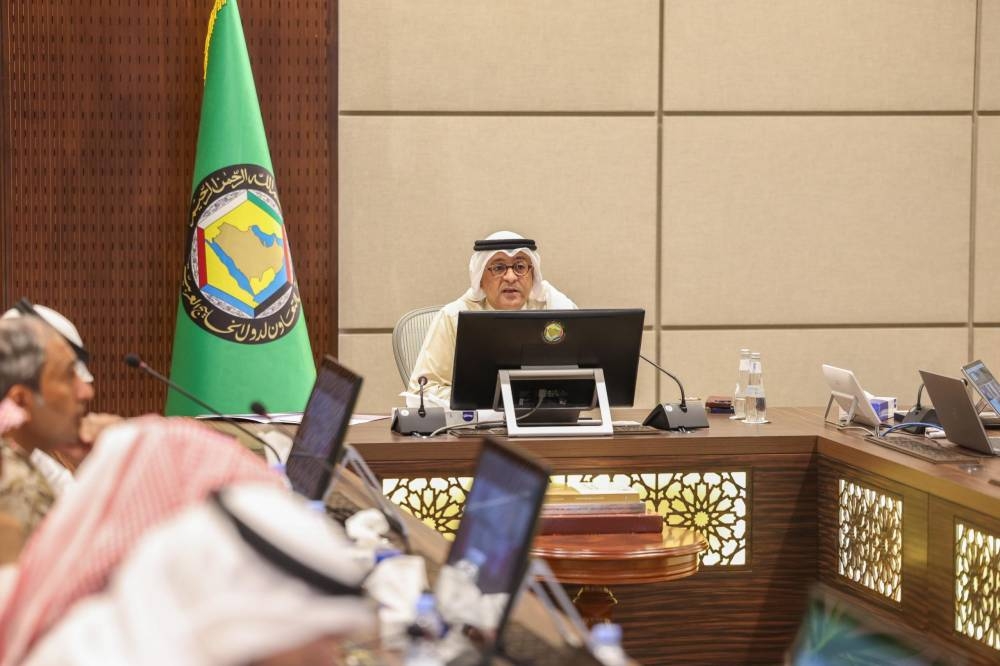
اجتماع وزراء خارجية مجلس التعاون الخليجي.


تابع قناة عكاظ على الواتساب
«عكاظ» (جدة) okaz_online@
The Secretary-General of the Gulf Cooperation Council, Jasem Al-Budaiwi, today (Monday) called on all countries and parties to exercise restraint and refrain from any military actions, in order to avoid a dangerous slide into a broader conflict whose outcomes are unpredictable and uncontrollable. He emphasized that the Israeli attacks on Iran have heightened tensions in the region and opened the door to ambiguous and concerning scenarios.
During the extraordinary meeting of the 48th Ministerial Council of the Gulf Cooperation Council held today via video conference, chaired by the Kuwaiti Foreign Minister and current chair of the Ministerial Council, Abdullah Al-Yahya, and with the participation of the foreign ministers of the GCC countries, Al-Budaiwi stated: "The mutual attacks between Israel and Iran have undermined the chances for political pathways and led to the halt and collapse of dialogue and diplomatic efforts," pointing to the repercussions that the member states may face, including the potential consequences of any escalation that may affect nuclear facilities, given their possible impacts on the regional environment and vital infrastructure, in addition to the extension of those effects to economic aspects and the potential disruption of supply chains and the movement of trade and energy."
He clarified that the technical indicators for environmental and radiation levels remain within the safe range, and nothing has been detected that warrants concern, with a state of full alert continuing to ensure the highest levels of readiness.
During the extraordinary meeting of the 48th Ministerial Council of the Gulf Cooperation Council held today via video conference, chaired by the Kuwaiti Foreign Minister and current chair of the Ministerial Council, Abdullah Al-Yahya, and with the participation of the foreign ministers of the GCC countries, Al-Budaiwi stated: "The mutual attacks between Israel and Iran have undermined the chances for political pathways and led to the halt and collapse of dialogue and diplomatic efforts," pointing to the repercussions that the member states may face, including the potential consequences of any escalation that may affect nuclear facilities, given their possible impacts on the regional environment and vital infrastructure, in addition to the extension of those effects to economic aspects and the potential disruption of supply chains and the movement of trade and energy."
He clarified that the technical indicators for environmental and radiation levels remain within the safe range, and nothing has been detected that warrants concern, with a state of full alert continuing to ensure the highest levels of readiness.