نقلت صحيفة «نيويورك تايمز» الأمريكية عن مصدر إيراني، اليوم (الجمعة)، تأكيده مقتل قائد فيلق القدس في الحرس الثوري الإيراني إسماعيل قاآني. وجاء الكشف عن مقتل قاآني ليضاف إلى أسماء أبرز القادة الذين قتلوا ضمن الهجمات العسكرية الإسرائيلية على إيران.
ونفذت إسرائيل عملية عسكرية مكثفة، استهدفت مواقع حساسة في إيران، وقادة إيرانيين آخرين، أبرزهم قائد الحرس الثوري حسين سلامي، وقائد أركان الجيش محمد باقري، اللذان لقيا حتفهما خلال الضربات.
وتوقع رئيس الوزراء الإسرائيلي بنيامين نتنياهو عدة موجات من الهجمات الإيرانية، رداً على الضربات الإسرائيلية على مواقع عسكرية ونووية في إيران.
وقال نتنياهو في كلمة مصورة «نتوقع أن نتعرض لعدة موجات من الهجمات الإيرانية».
وأضاف أن إسرائيل أبلغت الولايات المتحدة بخططها لمهاجمة إيران قبل تنفيذها.
وقال: «أترك الموقف الأمريكي للأمريكيين. لقد أبلغناهم بشكل مسبق. كانوا على علم بالهجوم. ماذا سيفعلون الآن؟ أترك ذلك للرئيس دونالد ترمب. فهو يتخذ قراراته باستقلالية». وأضاف: «لن أتحدث نيابة عن ترمب. إنه يفعل ذلك بكل إقناع وحزم. قال إن إيران لا يمكنها امتلاك أسلحة نووية، ولا يمكنها امتلاك قدرات لتخصيب اليورانيوم».
في غضون ذلك، يعقد مجلس الأمن الدولي اجتماعاً طارئاً، الجمعة، عقب الضربات الإسرائيلية الواسعة على الأراضي الإيرانية، بحسب ما أعلنت بعثة غويانا التي ترأس المجلس خلال شهر يونيو. وقال مصدر دبلوماسي إن الاجتماع جاء بطلب من إيران وقدمته روسيا ودعمته الصين.
وتأتي هذه الخطوة بعد ساعات من تنفيذ إسرائيل ضربة عسكرية «استباقية» استهدفت مواقع داخل إيران، وأسفرت، بحسب مصادر مطلعة، عن مقتل ما لا يقل عن 20 من كبار القادة العسكريين، بينهم رئيس القوة الجوية في الحرس الثوري الإيراني.
وأعلن العراق تقديم شكوى رسمية إلى مجلس الأمن الدولي ضد إسرائيل، متهماً إياها باستخدام الأجواء العراقية لتنفيذ الهجوم، ومعتبراً ذلك «انتهاكاً صارخاً للقانون الدولي وميثاق الأمم المتحدة».
ودانت وزارة الخارجية العراقية، في بيان رسمي، قيام الكيان الإسرائيلي بخرق الأجواء العراقية واستخدامها في تنفيذ اعتداءات عسكرية في المنطقة، مطالبة مجلس الأمن باتخاذ الإجراءات اللازمة لردع إسرائيل ومنع تكرار هذه الانتهاكات.
نيويورك تايمز: مقتل قائد «فيلق القدس» إسماعيل قاآني
13 يونيو 2025 - 19:37
|
آخر تحديث 13 يونيو 2025 - 19:37
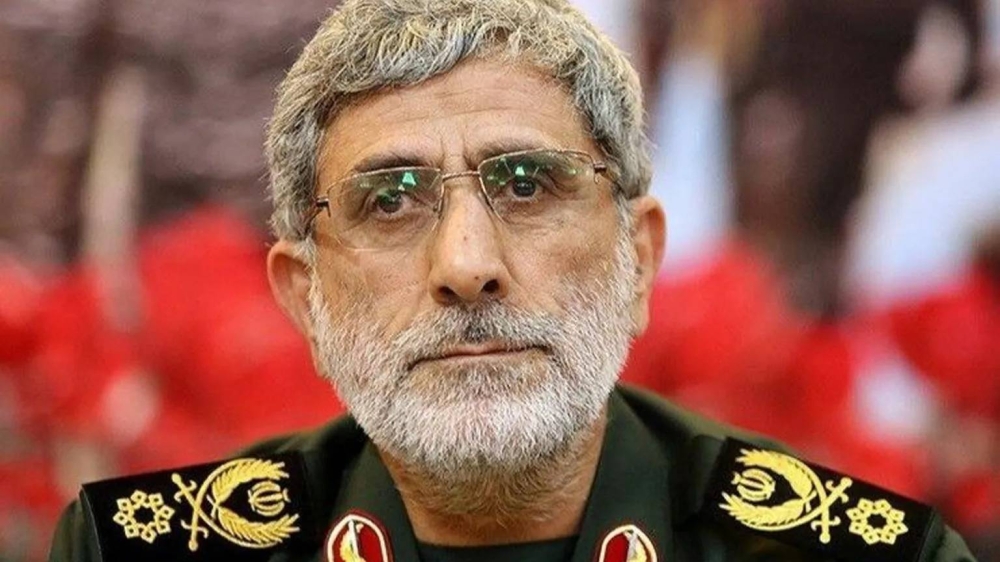
إسماعيل قا آني


تابع قناة عكاظ على الواتساب
«عكاظ» (واشنطن)OKAZ_ONLINE@
The American newspaper "The New York Times" reported today (Friday) from an Iranian source confirming the death of the commander of the Quds Force in the Iranian Revolutionary Guard, Ismail Qaani. The revelation of Qaani's death adds to the names of prominent leaders who have been killed in the Israeli military attacks on Iran.
Israel carried out an intensive military operation targeting sensitive sites in Iran and other Iranian leaders, most notably the commander of the Revolutionary Guard, Hossein Salami, and the chief of staff of the army, Mohammad Bagheri, both of whom were killed during the strikes.
Israeli Prime Minister Benjamin Netanyahu anticipated several waves of Iranian attacks in response to the Israeli strikes on military and nuclear sites in Iran.
Netanyahu said in a video statement, "We expect to be subjected to several waves of Iranian attacks."
He added that Israel informed the United States of its plans to attack Iran prior to carrying them out.
He said, "I leave the American position to the Americans. We informed them in advance. They were aware of the attack. What will they do now? I leave that to President Donald Trump. He makes his decisions independently." He added, "I will not speak on behalf of Trump. He does this with full conviction and determination. He said that Iran cannot possess nuclear weapons, nor can it have the capability to enrich uranium."
Meanwhile, the United Nations Security Council is holding an emergency meeting on Friday following the extensive Israeli strikes on Iranian territory, according to the Guyana mission, which is presiding over the council during June. A diplomatic source stated that the meeting was requested by Iran and presented by Russia, supported by China.
This step comes hours after Israel executed a "preemptive" military strike targeting sites inside Iran, which, according to informed sources, resulted in the deaths of at least 20 senior military leaders, including the head of the Iranian Revolutionary Guard's air force.
Iraq announced it had filed an official complaint with the UN Security Council against Israel, accusing it of using Iraqi airspace to carry out the attack, considering this a "flagrant violation of international law and the United Nations Charter."
The Iraqi Foreign Ministry condemned, in an official statement, the Israeli entity's breach of Iraqi airspace and its use for carrying out military assaults in the region, calling on the Security Council to take necessary measures to deter Israel and prevent the recurrence of these violations.
Israel carried out an intensive military operation targeting sensitive sites in Iran and other Iranian leaders, most notably the commander of the Revolutionary Guard, Hossein Salami, and the chief of staff of the army, Mohammad Bagheri, both of whom were killed during the strikes.
Israeli Prime Minister Benjamin Netanyahu anticipated several waves of Iranian attacks in response to the Israeli strikes on military and nuclear sites in Iran.
Netanyahu said in a video statement, "We expect to be subjected to several waves of Iranian attacks."
He added that Israel informed the United States of its plans to attack Iran prior to carrying them out.
He said, "I leave the American position to the Americans. We informed them in advance. They were aware of the attack. What will they do now? I leave that to President Donald Trump. He makes his decisions independently." He added, "I will not speak on behalf of Trump. He does this with full conviction and determination. He said that Iran cannot possess nuclear weapons, nor can it have the capability to enrich uranium."
Meanwhile, the United Nations Security Council is holding an emergency meeting on Friday following the extensive Israeli strikes on Iranian territory, according to the Guyana mission, which is presiding over the council during June. A diplomatic source stated that the meeting was requested by Iran and presented by Russia, supported by China.
This step comes hours after Israel executed a "preemptive" military strike targeting sites inside Iran, which, according to informed sources, resulted in the deaths of at least 20 senior military leaders, including the head of the Iranian Revolutionary Guard's air force.
Iraq announced it had filed an official complaint with the UN Security Council against Israel, accusing it of using Iraqi airspace to carry out the attack, considering this a "flagrant violation of international law and the United Nations Charter."
The Iraqi Foreign Ministry condemned, in an official statement, the Israeli entity's breach of Iraqi airspace and its use for carrying out military assaults in the region, calling on the Security Council to take necessary measures to deter Israel and prevent the recurrence of these violations.