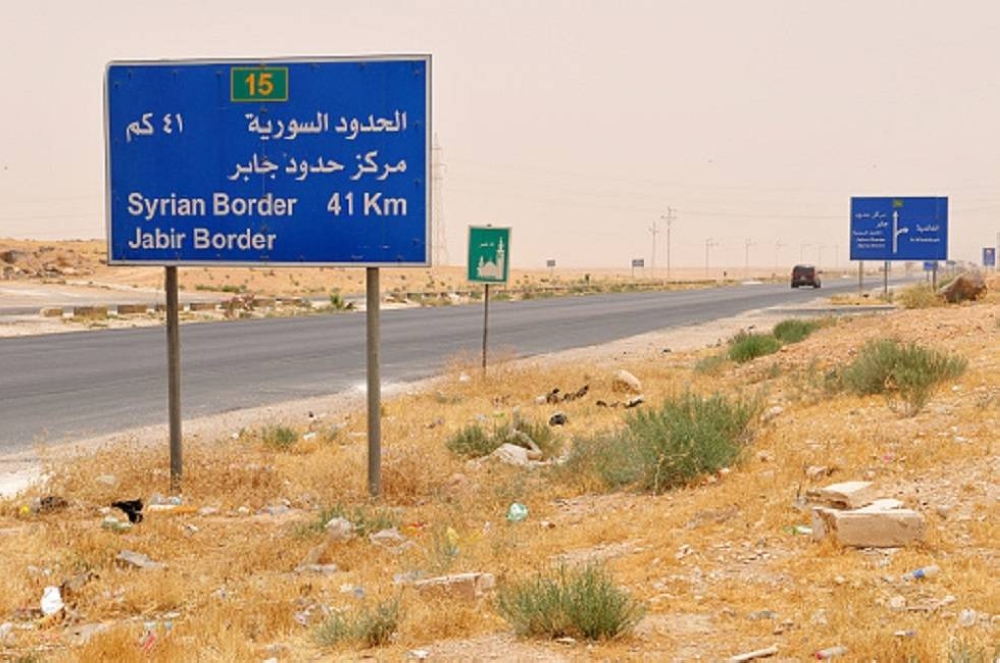
تمكنت قوات حرس الحدود الأردنية، اليوم (الأربعاء)، من إحباط محاولة تسلل وتهريب كميات كبيرة من المواد المخدرة قادمة من الأراضي السورية إلى الأردن، في عملية نفذتها القوات المسلحة الأردنية بالتنسيق مع الأجهزة الأمنية العسكرية وإدارة مكافحة المخدرات، مما أدى إلى تراجع المهربين إلى العمق السوري وضبط كميات كبيرة من المخدرات.
ووفقاً لمصدر عسكري مسؤول في القيادة العامة للقوات المسلحة الأردنية، رصدت قوات حرس الحدود مجموعة من المهربين أثناء محاولتهم اجتياز الحدود بطريقة غير مشروعة، وتحركت دوريات رد الفعل السريع على الفور، وطبقت قواعد الاشتباك، مما أجبر المهربين على الفرار داخل الأراضي السورية، وبعد عمليات بحث وتفتيش مكثفة، تمكنت القوات من ضبط كميات كبيرة من المواد المخدرة، التي جرى تسليمها إلى الجهات المختصة لاتخاذ الإجراءات القانونية اللازمة.
وأكد المصدر العسكري التزام القوات المسلحة الأردنية بالتصدي بحزم لأي محاولات تسلل أو تهريب تهدد أمن المملكة واستقرارها، مشدداً على أن الجيش سيواصل استخدام كافة الوسائل لمنع أي تهديدات على الحدود، ولم يتم الكشف عن نوعية المخدرات المضبوطة أو الكميات بدقة في البيان الرسمي، لكن مصادر سابقة تشير إلى أن مثل هذه العمليات غالباً ما تتضمن حبوب الكبتاجون، وهي مادة مخدرة تُنتج بكثافة في سورية.
وتمتد الحدود الأردنية مع سورية على مسافة نحو 375 كيلومتراً، وهي منطقة تشهد منذ سنوات محاولات متكررة لتهريب المخدرات والأسلحة، خصوصاً حبوب الكبتاجون.
ومنذ بداية الصراع السوري في 2011، واجهت الأردن تحديات أمنية متزايدة، حيث أصبحت ممراً رئيسياً لتهريب المخدرات والأسلحة، وفي عام 2022، أعلن الجيش الأردني إحباط 383 محاولة تسلل وتهريب، وصادر ملايين الحبوب المخدرة، بما في ذلك 15.5 مليون حبة كبتاجون. وفي يناير 2022، قتل الجيش 27 مهرباً في واحدة من أكبر العمليات على الحدود.
كما شهدت السنوات الأخيرة تصاعداً في استخدام الطائرات المسيّرة لتهريب المخدرات، إذ أحبط الجيش 88 محاولة تهريب باستخدام الطائرات المسيّرة في عام 2023 وحده.
The Jordanian border guard forces were able, today (Wednesday), to thwart an attempt to infiltrate and smuggle large quantities of narcotic substances coming from Syrian territory into Jordan, in an operation carried out by the Jordanian Armed Forces in coordination with military security agencies and the Anti-Narcotics Department, which led to the traffickers retreating into the Syrian depth and the seizure of large quantities of drugs.
According to a responsible military source in the General Command of the Jordanian Armed Forces, the border guard forces spotted a group of traffickers while they were attempting to cross the border illegally, and rapid response patrols immediately moved and applied the rules of engagement, forcing the traffickers to flee into Syrian territory. After intensive search and inspection operations, the forces managed to seize large quantities of narcotic substances, which were handed over to the relevant authorities for necessary legal action.
The military source confirmed the Jordanian Armed Forces' commitment to firmly confront any infiltration or smuggling attempts that threaten the security and stability of the kingdom, emphasizing that the army will continue to use all means to prevent any threats at the borders. The official statement did not disclose the type or exact quantities of the seized drugs, but previous sources indicate that such operations often involve Captagon pills, a narcotic substance that is produced in large quantities in Syria.
The Jordanian-Syrian border extends for about 375 kilometers and has witnessed repeated attempts to smuggle drugs and weapons for years, especially Captagon pills.
Since the beginning of the Syrian conflict in 2011, Jordan has faced increasing security challenges, as it has become a major route for smuggling drugs and weapons. In 2022, the Jordanian army announced the thwarting of 383 infiltration and smuggling attempts and seized millions of narcotic pills, including 15.5 million Captagon pills. In January 2022, the army killed 27 traffickers in one of the largest operations on the border.
Recent years have also seen a rise in the use of drones for drug smuggling, as the army thwarted 88 smuggling attempts using drones in 2023 alone.