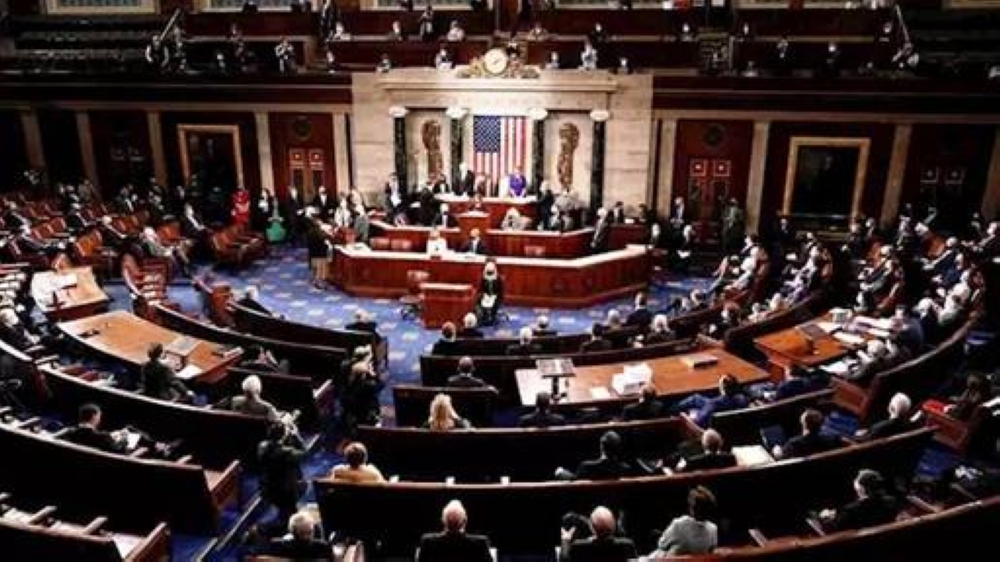
أقرّ مجلس الشيوخ الأمريكي قرارا يقضي بشطب اسم سورية من لائحة غير رسمية تعرف بـ«الدول المارقة».
وتضم قائمة «الدول المارقة» دولا تمنع الولايات المتحدة من التعاون معها أو تقديم الدعم لها في مجال الطاقة النووية المدنية.
وقال البيت الأبيض في منشور له على منصة «X»، إنه رغم أن هذا التصنيف لا يعد رسميا من قبل الحكومة الأمريكية، فإن سورية لا تزال مدرجة كدولة راعية للإرهاب منذ عام 1979 وفق وزارة الخارجية الأمريكية.
ويبقي هذا التصنيف على مجموعة من القيود الصارمة، من بينها حظر المساعدات الخارجية، وتقييد صادرات ومبيعات الأسلحة، وفرض ضوابط على المواد ذات الاستخدام المزدوج، بالإضافة إلى عقوبات مالية وإجرائية أخرى، وفقا لروسيا اليوم.
و«لائحة الدول المارقة» أو ما يعرف بالإنجليزية بـ Rogue States ليست تصنيفا رسميا قانونيا في الولايات المتحدة، بل هي مفهوم سياسي استخدمته الإدارات الأمريكية، خصوصا في التسعينيات وبداية الألفية، للإشارة إلى دول تُتهم بأنها تدعم «الإرهاب الدولي» أو تسعى لامتلاك أو نشر أسلحة دمار شامل (نووية، كيميائية، بيولوجية)، أو تنتهك حقوق الإنسان بشكل منهجي، أو تتحدى النظام الدولي أو تهدد الأمن الإقليمي والدولي.
والمصطلح برز بشكل خاص خلال إدارة الرئيس الأمريكي السابق بيل كلينتون، ثم تم تبنيه وتطويره في عهد جورج دبليو بوش.
واستخدت إدارة بوش مصطلح محور الشر (Axis of Evil) عام 2002 للإشارة إلى إيران، العراق، وكوريا الشمالية، وهي تسمية قريبة من مفهوم «الدول المارقة».
وهناك فرق بين «الدول المارقة» و«الدول الراعية للإرهاب» في السياسة الأمريكية، يتمثل في أن تصنيف «الدول الراعية للإرهاب» هو تصنيف رسمي من وزارة الخارجية الأمريكية، وله تبعات قانونية مباشرة من عقوبات إلى حظر مساعدات وقيود مالية وتجارية.
أما «الدول المارقة»، فهو تصنيف سياسي غير رسمي، يستخدم في الخطابات لتبرير سياسات العزل أو الضغوط.
وأطلقت الولايات المتحدة وصف «الدولة المارقة» في فترات مختلفة على سورية وإيران والعراق وكوريا الشمالية وكوبا وليبيا وفنزويلا.
The U.S. Senate has approved a resolution to remove Syria from an unofficial list known as "rogue states."
The "rogue states" list includes countries with which the United States prohibits cooperation or support in the field of civilian nuclear energy.
The White House stated in a post on the platform "X" that although this classification is not officially recognized by the U.S. government, Syria remains designated as a state sponsor of terrorism since 1979 according to the U.S. Department of State.
This classification maintains a set of strict restrictions, including a ban on foreign aid, limitations on arms exports and sales, and controls on dual-use materials, in addition to other financial and procedural sanctions, according to Russia Today.
The "rogue states" list is not a formal legal classification in the United States; rather, it is a political concept used by U.S. administrations, particularly in the 1990s and early 2000s, to refer to countries accused of supporting "international terrorism," seeking to acquire or spread weapons of mass destruction (nuclear, chemical, biological), systematically violating human rights, challenging the international order, or threatening regional and international security.
The term gained particular prominence during the administration of former U.S. President Bill Clinton and was then adopted and developed during the presidency of George W. Bush.
The Bush administration used the term "Axis of Evil" in 2002 to refer to Iran, Iraq, and North Korea, a designation closely related to the concept of "rogue states."
There is a distinction between "rogue states" and "state sponsors of terrorism" in U.S. policy, in that the classification of "state sponsors of terrorism" is an official designation by the U.S. Department of State, with direct legal consequences ranging from sanctions to aid bans and financial and trade restrictions.
On the other hand, "rogue states" is an unofficial political classification used in speeches to justify isolation or pressure policies.
The United States has applied the label "rogue state" at different times to Syria, Iran, Iraq, North Korea, Cuba, Libya, and Venezuela.