


في ضربة موجعة لحكومة البلاد المؤيدة للاتحاد الأوروبي، فاز كارول ناوروكي، المؤرخ المحافظ والملاكم السابق المدعوم من الرئيس الأمريكي دونالد ترمب، في انتخابات الرئاسة البولندية K متغلباً على رئيس بلدية وارسو الوسطي رافال ترزاسكوفسكي، بحسب ما أفادت وكالة «بلومبيرغ»، اليوم (الاثنين).
وحصل ناوروكي على 50.9% من الأصوات، فيما حصد ترزاسكوفسكي 49.1%، بحسب بيانات من جميع الدوائر الانتخابية التي أعلنتها اللجنة الانتخابية.
وقال المرشح القومي لأنصاره بعد إغلاق صناديق الاقتراع الأحد: «سنستيقظ غداً مع الرئيس كارول ناوروكي».
ويستحوذ البرلمان على معظم السلطات في بولندا، لكن الرئيس يمكنه استخدام حق النقض (الفيتو) ضد التشريعات، لذا يحظى التصويت بمتابعة وثيقة من جارتها أوكرانيا، وروسيا والولايات المتحدة، والاتحاد الأوروبي.
وتأتي هذه الانتخابات بعد نحو عام ونصف العام من تولي رئيس الوزراء دونالد توسك منصبه، وشكل أقسى اختبار لشعبية حكومته الائتلافية الواسعة. وتولى توسك منصبه عام 2023 على وعد باستعادة مكانة بولندا في الاتحاد الأوروبي، بعد 8 سنوات من الحكم القومي الذي أدى إلى تآكل المؤسسات الديمقراطية وجلب التدقيق من بروكسل، إلا أن أجندته الوسطية تعثرت بسبب حق النقض الذي يتمتع به الرئيس المنتهية ولايته أندريه دودا، حليف حزب «القانون والعدالة القومي».
وليس مستبعداً أن يُعرّض فوز ناوروكي طموح توسك لإعادة وارسو إلى التيار الرئيسي في الاتحاد الأوروبي والحفاظ على تمويل التكتل للخطر.
وتلقى ناوروكي دعماً من البيت الأبيض، بعد أن زار ترمب لفترة وجيزة في المكتب البيضاوي الشهر الماضي، ودعت وزيرة الأمن الداخلي الأمريكية كريستي نويم، في زيارة لبولندا الأسبوع الماضي، البولنديين إلى التصويت لناوروكي لضمان تمتع البلاد بعلاقات وثيقة مع ترمب.
وأظهرت نتائج انتخابات أجريت في 3 دول أوروبية هي بولندا ورومانيا والبرتغال فوز مرشحين مؤيدين لأوروبا في الانتخابات، بعد منافسة من القوميين المؤيدين لنهج ترمب. وبلغت نسبة المشاركة بالانتخابات 71.3%، مُقارنةً بنسبة قياسية بلغت 74.4% خلال الانتخابات البرلمانية قبل عامين، و68.2% في جولة الإعادة الرئاسية الأخيرة عام 2020.
وكشفت الانتخابات مزيداً من التصدعات في ائتلاف توسك، وعززت دعم مؤيدي ناوروكي في حزب «القانون والعدالة» الشعبوي، وصعود فصائل اليمين المتطرف قبل الانتخابات البرلمانية في 2027.
فوز ناوروكي.. المعارضة تقتنص الحكم في بولندا
2 يونيو 2025 - 12:59
|
آخر تحديث 2 يونيو 2025 - 12:59
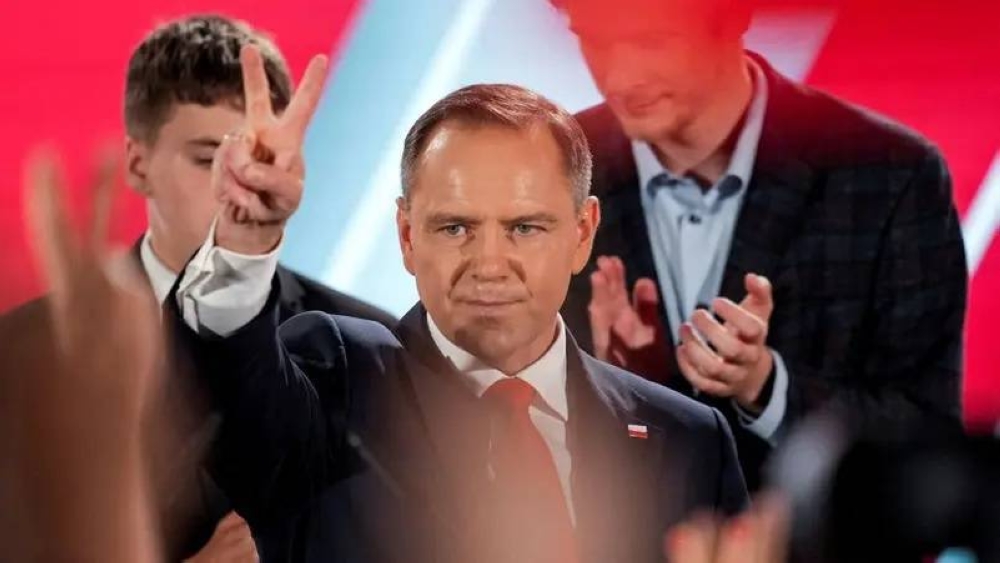
مرشح المعارضة كارول ناوروكي يرفع علامة النصر.


تابع قناة عكاظ على الواتساب
«عكاظ» (جدة) okaz_online@
In a painful blow to the EU-supporting government of the country, Karol Nawrocki, the conservative historian and former boxer backed by U.S. President Donald Trump, won the Polish presidential elections K, defeating the central Warsaw mayor Rafał Trzaskowski, according to a report by Bloomberg today (Monday).
Nawrocki received 50.9% of the votes, while Trzaskowski garnered 49.1%, according to data from all electoral districts announced by the electoral commission.
The nationalist candidate told his supporters after the polls closed on Sunday: “We will wake up tomorrow with President Karol Nawrocki.”
The parliament holds most of the powers in Poland, but the president can use the veto against legislation, so the vote is closely monitored by its neighbor Ukraine, as well as Russia, the United States, and the European Union.
This election comes about a year and a half after Prime Minister Donald Tusk took office, representing the toughest test for the popularity of his broad coalition government. Tusk assumed office in 2023 with a promise to restore Poland's standing in the European Union, after 8 years of nationalist rule that led to the erosion of democratic institutions and brought scrutiny from Brussels. However, his centrist agenda stumbled due to the veto power held by the outgoing president Andrzej Duda, an ally of the nationalist Law and Justice party.
Nawrocki's victory could jeopardize Tusk's ambition to bring Warsaw back into the EU mainstream and maintain the bloc's funding.
Nawrocki received support from the White House after Trump briefly visited him in the Oval Office last month, and U.S. Secretary of Homeland Security Kristi Noem, during a visit to Poland last week, urged Poles to vote for Nawrocki to ensure the country enjoys close relations with Trump.
Results from elections held in three European countries—Poland, Romania, and Portugal—showed victories for pro-European candidates, following competition from Trump-aligned nationalists. Voter turnout in the elections was 71.3%, compared to a record 74.4% during the parliamentary elections two years ago, and 68.2% in the recent presidential runoff in 2020.
The elections revealed further cracks in Tusk's coalition and bolstered support for Nawrocki's backers in the populist Law and Justice party, as well as the rise of far-right factions ahead of the parliamentary elections in 2027.
Nawrocki received 50.9% of the votes, while Trzaskowski garnered 49.1%, according to data from all electoral districts announced by the electoral commission.
The nationalist candidate told his supporters after the polls closed on Sunday: “We will wake up tomorrow with President Karol Nawrocki.”
The parliament holds most of the powers in Poland, but the president can use the veto against legislation, so the vote is closely monitored by its neighbor Ukraine, as well as Russia, the United States, and the European Union.
This election comes about a year and a half after Prime Minister Donald Tusk took office, representing the toughest test for the popularity of his broad coalition government. Tusk assumed office in 2023 with a promise to restore Poland's standing in the European Union, after 8 years of nationalist rule that led to the erosion of democratic institutions and brought scrutiny from Brussels. However, his centrist agenda stumbled due to the veto power held by the outgoing president Andrzej Duda, an ally of the nationalist Law and Justice party.
Nawrocki's victory could jeopardize Tusk's ambition to bring Warsaw back into the EU mainstream and maintain the bloc's funding.
Nawrocki received support from the White House after Trump briefly visited him in the Oval Office last month, and U.S. Secretary of Homeland Security Kristi Noem, during a visit to Poland last week, urged Poles to vote for Nawrocki to ensure the country enjoys close relations with Trump.
Results from elections held in three European countries—Poland, Romania, and Portugal—showed victories for pro-European candidates, following competition from Trump-aligned nationalists. Voter turnout in the elections was 71.3%, compared to a record 74.4% during the parliamentary elections two years ago, and 68.2% in the recent presidential runoff in 2020.
The elections revealed further cracks in Tusk's coalition and bolstered support for Nawrocki's backers in the populist Law and Justice party, as well as the rise of far-right factions ahead of the parliamentary elections in 2027.


