


وقفت القوى السياسية العراقية عند أخطر منعطف تصله الاستعدادات للانتخابات البرلمانية التي ستُجرى في 11 نوفمبر القادم، وبرزت عدة عوامل تشكل خطراً على الإطار التنسيقي الحاكم في العراق، أبرزها عودة التيار الصدري وتحالفه مع المدنيين أو مع رئيس الوزراء الحالي محمد شياع السوداني، وهي انتخابات تعيد فك وتركيب التحالفات السياسية.
وتستعد الزعامات السياسية العراقية البارزة لخوض الانتخابات التشريعية القادمة بثقل، وبعد أن غابت بعضها لدورتين انتخابيتين عن الترشح بشكل مباشر واكتفت بتقديم كيانات تتزعمها اختارت أن تترشح بشكل مباشر في محاولة لجذب أكبر جمهور بغية تشكيل الكتلة البرلمانية الأكبر بعد إعلان نتائج الاقتراع.
وقرر رئيس ائتلاف دولة القانون نوري المالكي، ورئيس تيار الفراتين محمد شياع السوداني، ورئيس منظمة بدر هادي العامري، ورئيس حزب تقدم محمد الحلبوسي، ورئيس ائتلاف الأساس الوطني محسن المندلاوي، وشخصيات أخرى، إدراج أسمائهم كمرشحين في الانتخابات.
وتشكل الصورة الأولية للانتخابات القادمة أنها ستكون أصعب من سابقاتها بل إنها ستكون مصيرية، وقد اتضح ذلك من خلال خوض تلك الزعامات هذه الانتخابات بقوائم منفردة بسبب تحركات رئيس الوزراء محمد السوداني في محاولة منه للخروج من عضوية الإطار التنسيقي.
وعودة الزعامات السياسية التقليدية إلى واجهة المشهد الانتخابي في بغداد، مثل نوري المالكي وهادي العامري ومحمد شياع السوداني ورئيس مجلس النواب الحالي محمود المشهداني ومحمد الحلبوسي ومحسن المندلاوي، لا تأتي من فراغ بل تعكس تحركاً مدروساً في سياق داخلي وإقليمي متشابك.
واعتبر مصدر برلماني عراقي في حديثه لـ«عكاظ» صعود الشخصيات السياسية الشابة ذات الخطاب المدني والتقني تهديداً واضحاً للزعامات التقليدية التي تسعى الآن لإعادة تأكيد حضورها ومنح حملاتها زخماً جديداً يمنع انتقال مركز الثقة السياسية إلى وجوه جديدة.
تُجرى في سياق داخلي وإقليمي متشابك
الانتخابات العراقية تعيد فك وتركيب التحالفات السياسية
29 مايو 2025 - 13:35
|
آخر تحديث 29 مايو 2025 - 13:35
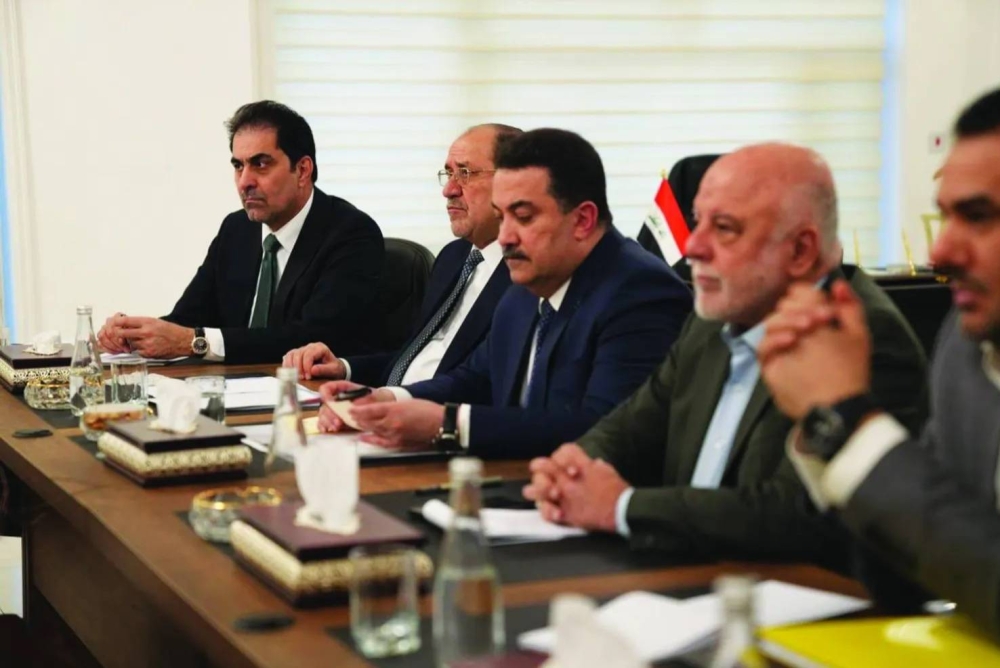
السياسيون العراقيون.


تابع قناة عكاظ على الواتساب
رياض منصور (بغداد) riyadmansour@
The Iraqi political forces stand at the most critical turning point as preparations for the parliamentary elections, scheduled for November 11, approach. Several factors pose a threat to the ruling coordination framework in Iraq, the most notable being the return of the Sadrist movement and its alliance with civilians or with the current Prime Minister Muhammad Shia al-Sudani. These elections will reshape political alliances.
Prominent Iraqi political leaders are preparing to contest the upcoming legislative elections with significant weight. After some of them had been absent from direct candidacy for two electoral cycles, they have chosen to run directly this time in an attempt to attract the largest audience in order to form the largest parliamentary bloc after the election results are announced.
Prime Minister Nouri al-Maliki, head of the State of Law Coalition, Muhammad Shia al-Sudani, head of the Al-Furatain Movement, Hadi al-Amiri, head of the Badr Organization, Muhammad al-Halbousi, head of the Progress Party, Mohsen al-Mandalawi, head of the National Foundation Coalition, and other figures have decided to list their names as candidates in the elections.
The initial picture of the upcoming elections suggests that they will be more challenging than previous ones, and they will be decisive. This has become evident as these leaders are entering the elections with separate lists due to Prime Minister Muhammad al-Sudani's moves in an attempt to exit the coordination framework.
The return of traditional political leaders to the forefront of the electoral scene in Baghdad, such as Nouri al-Maliki, Hadi al-Amiri, Muhammad Shia al-Sudani, current Speaker of the House Mahmoud al-Mashhadani, Muhammad al-Halbousi, and Mohsen al-Mandalawi, does not come from a vacuum but reflects a calculated movement within a complex internal and regional context.
A parliamentary source in Iraq, in a conversation with "Okaz," considered the rise of young political figures with a civil and technical discourse to be a clear threat to the traditional leaders who are now seeking to reaffirm their presence and give their campaigns new momentum to prevent the transfer of the center of political trust to new faces.
Prominent Iraqi political leaders are preparing to contest the upcoming legislative elections with significant weight. After some of them had been absent from direct candidacy for two electoral cycles, they have chosen to run directly this time in an attempt to attract the largest audience in order to form the largest parliamentary bloc after the election results are announced.
Prime Minister Nouri al-Maliki, head of the State of Law Coalition, Muhammad Shia al-Sudani, head of the Al-Furatain Movement, Hadi al-Amiri, head of the Badr Organization, Muhammad al-Halbousi, head of the Progress Party, Mohsen al-Mandalawi, head of the National Foundation Coalition, and other figures have decided to list their names as candidates in the elections.
The initial picture of the upcoming elections suggests that they will be more challenging than previous ones, and they will be decisive. This has become evident as these leaders are entering the elections with separate lists due to Prime Minister Muhammad al-Sudani's moves in an attempt to exit the coordination framework.
The return of traditional political leaders to the forefront of the electoral scene in Baghdad, such as Nouri al-Maliki, Hadi al-Amiri, Muhammad Shia al-Sudani, current Speaker of the House Mahmoud al-Mashhadani, Muhammad al-Halbousi, and Mohsen al-Mandalawi, does not come from a vacuum but reflects a calculated movement within a complex internal and regional context.
A parliamentary source in Iraq, in a conversation with "Okaz," considered the rise of young political figures with a civil and technical discourse to be a clear threat to the traditional leaders who are now seeking to reaffirm their presence and give their campaigns new momentum to prevent the transfer of the center of political trust to new faces.



