حازت المؤلفة الموسيقية السعودية اللبنانية رئيسة المعهد الوطني العالي للموسيقى في لبنان الدكتورة هبة القواس وسام الشرف الروسي، تقديراً لدورها المحوري في تعزيز العلاقات الثقافية الدولية، وذلك في إطار فعاليات «المنتدى الدولي للتعاون»، الذي عُقد في العاصمة الروسية موسكو احتفاءً بالذكرى المئوية لتأسيس النظام الروسي للدبلوماسية الشعبية.
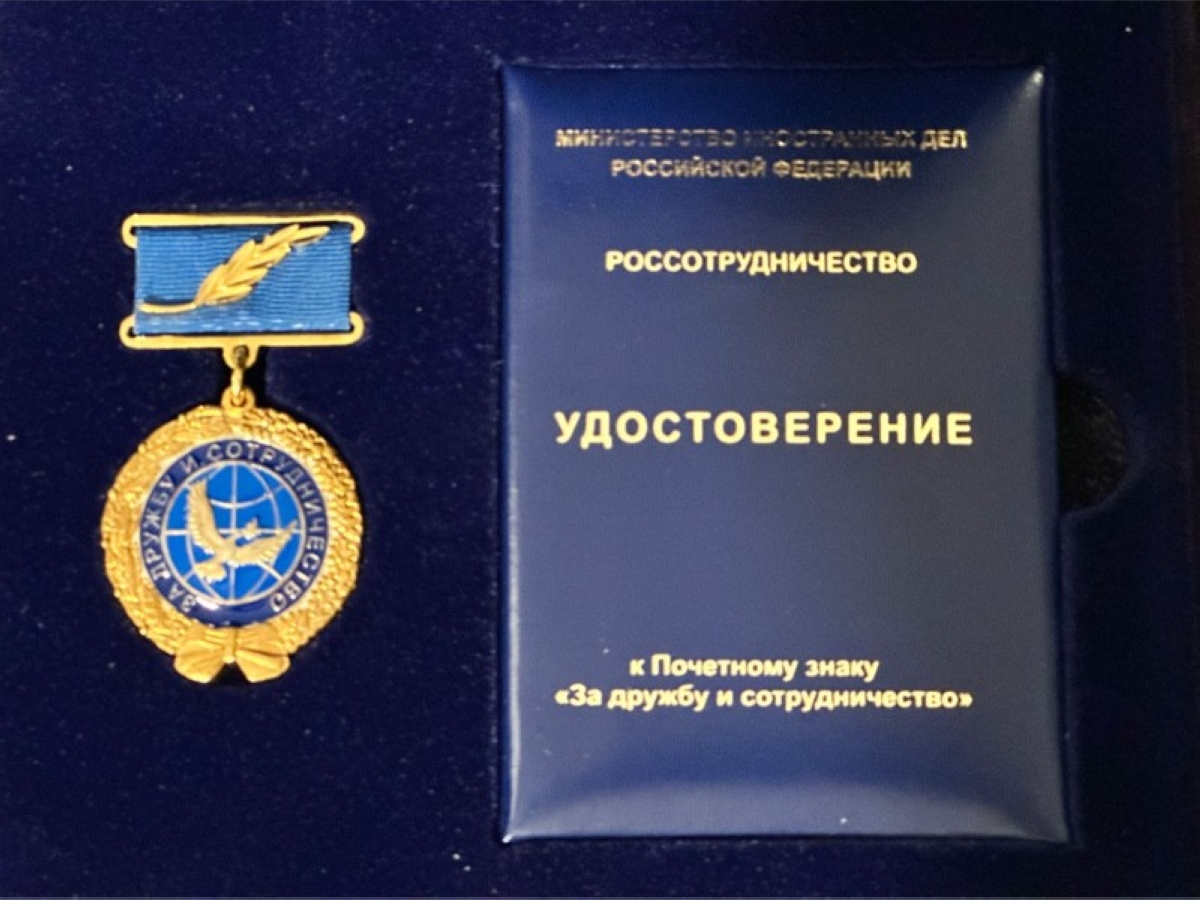
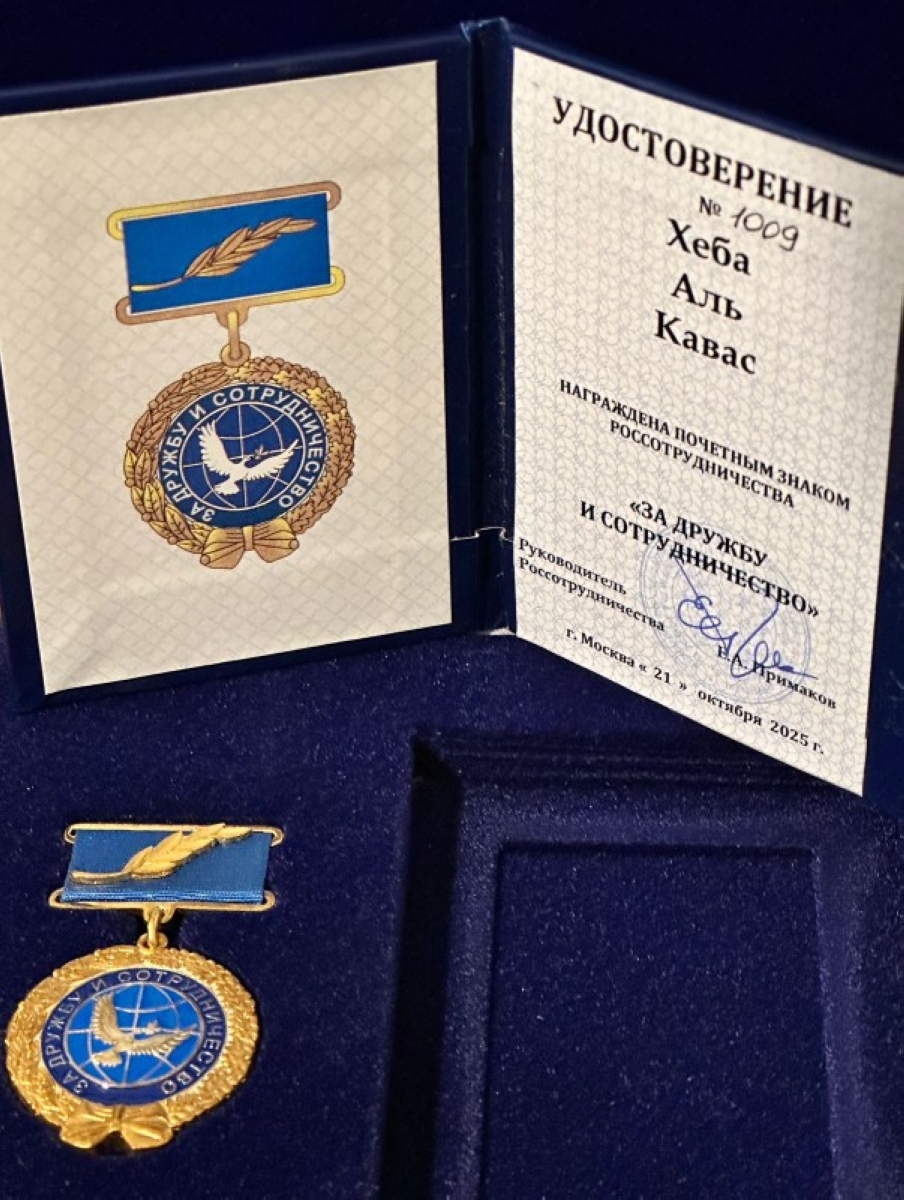
ومُنحت القواس «وسام الشرف من الوكالة الفيدرالية لشؤون رابطة الدول المستقلة، والمواطنين المقيمين في الخارج، والتعاون الإنساني الدولي (روسوترودنيتشيستفو). وحازت القواس هذا التقدير تحت عنوان: «من أجل الصداقة والتعاون لتعزيز التفاهم المتبادل بين الأمم»، الذي مُنح لها بشكل خاص عن دورها الكبير في هذا الإطار. وقد تسلم باقي المكرمين الجائزة تحت عناوين أخرى، كلّ بحسب مكانته ودوره وإنجازاته. ويُعد هذا التكريم جائزة كبيرة لم تُمنح إلا لعدد قليل جداً من الشخصيات المؤثرة عالمياً.
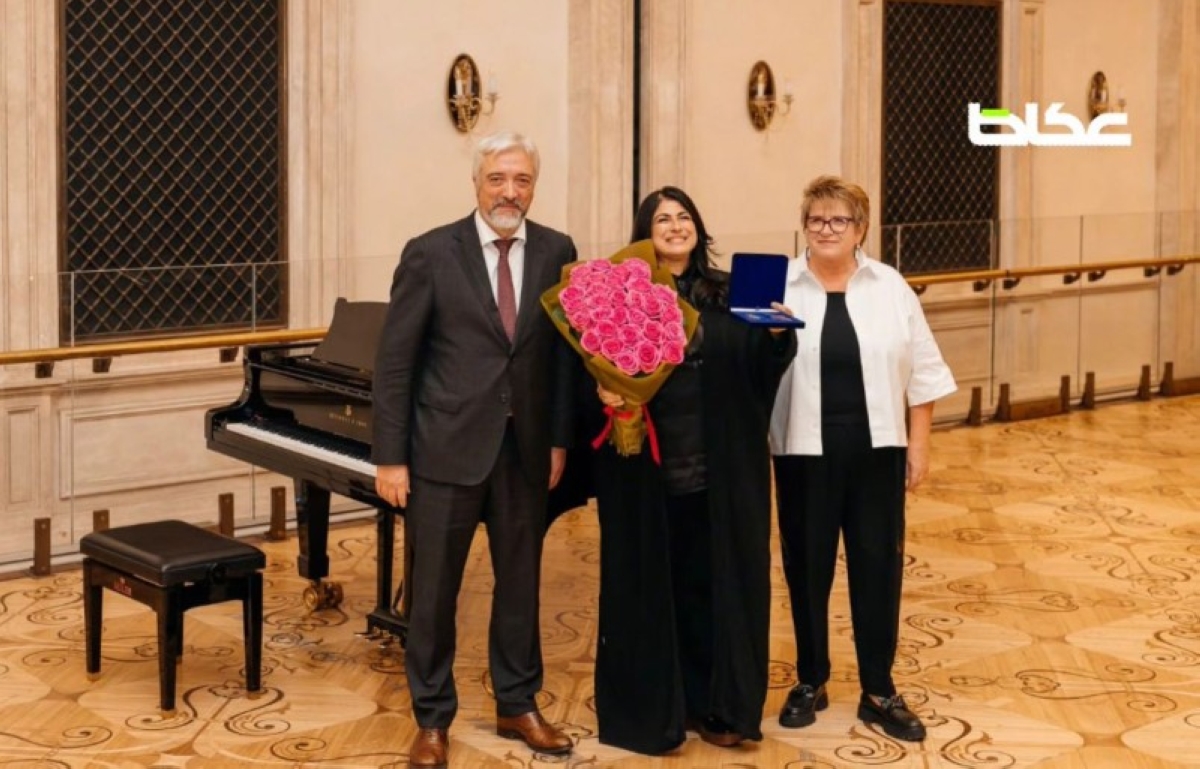
وتسلمت القواس الوسام الرفيع، وهي ترتدي العباءة السعودية، من رئيس «الوكالة الفيدرالية لشؤون رابطة الدول المستقلة، والمواطنين المقيمين في الخارج، والتعاون الإنساني الدولي» «روسوترودنيتشيستفو» يفغيني بريماكوف، ومن النائبة الأولى لرئيس لجنة مجلس الاتحاد (المجلس الأعلى في الجمعية الفيدرالية لروسيا) (البرلمان الروسي) ليوبوف غليبوفا، وذلك في احتفالية مميزة أقيمت في مسرح البولشوي الشهير، حيث كانت المدعوة الوحيدة من لبنان، والعربية الوحيدة المحتفى بها من ضمن «المدعوين الذهبيين» العشرين بين 2000 مدعو من العالم.
نُظّم المنتدى بالتعاون بين «روسوترودنيتشيستفو»، ومؤسسة «روسكونغرس»، والجمعية الروسية «المعرفة»، والمركز الوطني «روسيا»، وبدعم من المجلس الرئاسي لتنمية المجتمع المدني وحقوق الإنسان، وبتوجيهات من الرئيس الروسي فلاديمير بوتين.
حضرت المنتدى شخصيات روسية رفيعة المستوى، مثل المستشار التعليمي للرئيس بوتين ورئيس «روسوترودنيتشيستفو» يفغيني بريماكوف، والمتحدثة باسم وزارة الخارجية الروسية ماريا زاخاروفا.
وجمع الحدث أكثر من 2000 مشارك من النخب السياسية والثقافية والفنية والدبلوماسية والروحية، يمثلون أكثر من 112 دولة من أوروبا وآسيا وأفريقيا وأمريكا اللاتينية.
في افتتاح المنتدى، قرأ مستشار الرئيس الروسي فاليري ألكساندروفيتش فادييف كلمة ترحيبية من الرئيس بوتين، شدد فيها على أن الدبلوماسية العامة تولي أهمية قصوى للحفاظ على الذاكرة التاريخية لحرب الوطنية العظمى، وحماية القيم الأخلاقية، ومكافحة النازية الجديدة والاستعمار الجديد. وخاطب وزير الخارجية الروسي سيرغي لافروف الحضور والمشاركين بتهنئة عبر كلمة مصورة. وكذلك قداسة كيريل، بطريرك موسكو وسائر روسيا، الذي توجه بالتهنئة للمنتدى عبر الفيديو.
شهدت الجلسة التي حملت عنوان «حوار الثقافات في القرن الحادي والعشرين: التفرد أم العالمية؟» في المركز الوطني «روسيا» مشاركة الدكتورة هبة القواس التي شاركت كمتحدثة إلى جانب نخبة من الشخصيات الفنية والثقافية، منهم: رئيس المعهد الروسي للفنون المسرحية (جيتيس) غريغوري زاسلافسكي، ورئيسة شركة «ألكيبولاند ستوديوز» تاريرو منانغاغوا، والمدير العام للمتحف الوطني للموسيقى ميخائيل بريزغالوف، وقائد الأوركسترا فابيو ماسترانجيلو، والمدير الفني لمسرح «في. آي. شاليابين» الموسيقي. وكانت لمداخلة الدكتورة هبة القواس أصداء مؤثرة في الحضور الذين تفاعلوا إلى حد كبير مع طرحها، فكانت من بين أبرز المتحدثين في الجلسة لما حملته مداخلتها من أبعاد إنسانية ووجدانية وثقافية، وما أبرزته من مواجهة للتحديات الكبرى التي ذللتها في أثناء قيادتها المعهد الموسيقي، وما نتج عنها من إستراتيجيات ناجحة للنهوض بالكونسرفتوار، وأيضاً من خلال علاقة الصداقة والانفتاح مع روسيا وموسيقييها.
تركزت مداخلة القواس، التي جاءت بعنوان «العلاقات اللبنانية–الروسية في سياق تبادل الخبرات في مجال الموسيقى» على التجارب الناجحة في التعاون الفني ودورها المحوري في تعزيز الفهم الثقافي المشترك بين البلدين. وأكدت أن الدبلوماسية الشعبية هي واقع ملموس يُترجم في التعاون الثقافي المستمر والمباشر بين الشعوب.
وشددت القواس على قوة الثقافة والموسيقى في تجاوز الأزمات وقالت: "الأمر يتجاوز الحروب، ويتجاوز الأزمات الاقتصادية، ويتجاوز كل ما نسميه شراً حول العالم، عندما يتعلق الأمر بالثقافة والموسيقى، في النهاية الثقافة هي من تنتصر على كل شيء. لذا، يتعلق الأمر دائماً بتطور الإنسانية وتقدمها. وأعتقد أنه من العبقرية أن يكون لدينا مثل هذا المنتدى (المستمر) منذ 100 عام، وكان موجوداً حتى قبل أن يبدأ الحديث عن هذا النوع من الدبلوماسية حول العالم.
واختتمت بالإشارة إلى أحدث ثمار التعاون مع موسكو فقالت:
«قبل شهرين، أتينا إلى موسكو تحت قيادة يوري باشميت وافتتحنا «مهرجان روسيا العالمي لأوركسترات الشباب» مع الأوركسترا الوطنية اللبنانية للشباب التي أبدعت في حفل الافتتاح وفي اختيار موسيقيين منها لحفل الختام، رغم حداثة سن هذه الأوركسترا. هذه العلاقة، الصداقة الجميلة بين لبنان وروسيا، تجمع بلدين معاً بالمحبة وتؤثر عليهما بشكل إيجابي، لمزيد من الجمال والمشاركة. وآمل أن تكون هذه هي البداية لمزيد من الإنجازات القادمة».
يُذكر أن برنامج مشاركة الدكتورة القواس في المنتدى تضمن أيضاً سلسلة لقاءات رسمية مع كبار المسؤولين والفنانين الروس لمناقشة مشاريع موسيقية مشتركة مستقبلية. وتشمل هذه المشاريع تنظيم حفلات أوركسترالية مشتركة، وورش عمل تعليمية، وبرامج تبادل طلابي وفني، ما يعكس عمق العلاقات الثقافية بين البلدين ويجعل الدبلوماسية الشعبية أداة فاعلة للتقارب بين الشعوب.
The Lebanese-Saudi composer and president of the National Higher Conservatory of Music in Lebanon, Dr. Hiba Kawas, was awarded the Russian Order of Honor in recognition of her pivotal role in enhancing international cultural relations. This took place during the events of the "International Cooperation Forum," held in the Russian capital, Moscow, to celebrate the centenary of the establishment of the Russian system of public diplomacy.
Kawas was granted the "Order of Honor from the Federal Agency for the Commonwealth of Independent States, Compatriots Living Abroad, and International Humanitarian Cooperation (Rossotrudnichestvo)." She received this recognition under the title: "For Friendship and Cooperation to Enhance Mutual Understanding Between Nations," which was awarded to her specifically for her significant role in this context. Other honorees received awards under different titles, each according to their status, role, and achievements. This honor is considered a significant award that has only been granted to a very few globally influential figures.
Kawas received the prestigious medal while wearing a Saudi abaya from the head of the "Federal Agency for the Commonwealth of Independent States, Compatriots Living Abroad, and International Humanitarian Cooperation," Yevgeny Primakov, and from the First Deputy Chair of the Federation Council (the upper house of the Federal Assembly of Russia) Lyubov Glebova, during a special ceremony held at the famous Bolshoi Theatre, where she was the only invitee from Lebanon and the only Arab honored among the twenty "golden invitees" out of 2000 guests from around the world.
The forum was organized in collaboration between "Rossotrudnichestvo," the "Roscongress" Foundation, the Russian "Knowledge" Society, and the National Center "Russia," with support from the Presidential Council for Civil Society and Human Rights, and under the guidance of Russian President Vladimir Putin.
High-profile Russian figures attended the forum, including Putin's educational advisor and head of "Rossotrudnichestvo," Yevgeny Primakov, and the spokesperson for the Russian Foreign Ministry, Maria Zakharova.
The event gathered over 2000 participants from political, cultural, artistic, diplomatic, and spiritual elites, representing more than 112 countries from Europe, Asia, Africa, and Latin America.
At the opening of the forum, Russian presidential advisor Valery Alexandrovich Fadeev read a welcoming speech from President Putin, emphasizing that public diplomacy places utmost importance on preserving the historical memory of the Great Patriotic War, protecting moral values, and combating neo-Nazism and new colonialism. Russian Foreign Minister Sergey Lavrov addressed the attendees and participants with congratulations via a video message. His Holiness Kirill, Patriarch of Moscow and All Russia, also congratulated the forum through a video.
The session titled "Cultural Dialogue in the 21st Century: Uniqueness or Globalization?" at the National Center "Russia" featured Dr. Hiba Kawas as a speaker alongside a select group of artistic and cultural figures, including the head of the Russian Institute of Theatre Arts (GITIS) Grigory Zaslavsky, the head of "Alkipoland Studios" Tareiro Manangagwa, the general director of the National Museum of Music Mikhail Brizgalov, conductor Fabio Mastrangelo, and the artistic director of the "V.I. Shalyapin" Musical Theatre. Dr. Hiba Kawas's contribution resonated powerfully with the audience, who engaged significantly with her presentation, making her one of the prominent speakers in the session due to the human, emotional, and cultural dimensions of her remarks, as well as her discussion of the major challenges she overcame while leading the conservatory and the successful strategies that emerged for the advancement of the conservatory, as well as through the friendship and openness with Russia and its musicians.
Kawas's intervention, titled "Lebanese-Russian Relations in the Context of Experience Exchange in Music," focused on successful experiences in artistic cooperation and her pivotal role in enhancing mutual cultural understanding between the two countries. She affirmed that public diplomacy is a tangible reality translated into ongoing and direct cultural cooperation between peoples.
Kawas emphasized the power of culture and music in overcoming crises, stating: "It goes beyond wars, it goes beyond economic crises, it transcends everything we call evil around the world. When it comes to culture and music, in the end, culture triumphs over everything. Therefore, it is always about the evolution and progress of humanity. I think it is genius to have such a forum (ongoing) for 100 years, existing even before the discussion of this type of diplomacy began around the world."
She concluded by referring to the latest fruits of cooperation with Moscow, saying:
“Two months ago, we came to Moscow under the leadership of Yuri Bashmet and opened the 'World Festival of Youth Orchestras' with the Lebanese National Youth Orchestra, which excelled in the opening concert and in selecting musicians for the closing concert, despite the young age of this orchestra. This relationship, the beautiful friendship between Lebanon and Russia, brings the two countries together in love and positively influences them for more beauty and sharing. I hope this is the beginning of more upcoming achievements.”
It is noteworthy that Dr. Kawas's program at the forum also included a series of official meetings with senior Russian officials and artists to discuss future joint musical projects. These projects include organizing joint orchestral concerts, educational workshops, and student and artistic exchange programs, reflecting the depth of cultural relations between the two countries and making public diplomacy an effective tool for rapprochement between peoples.