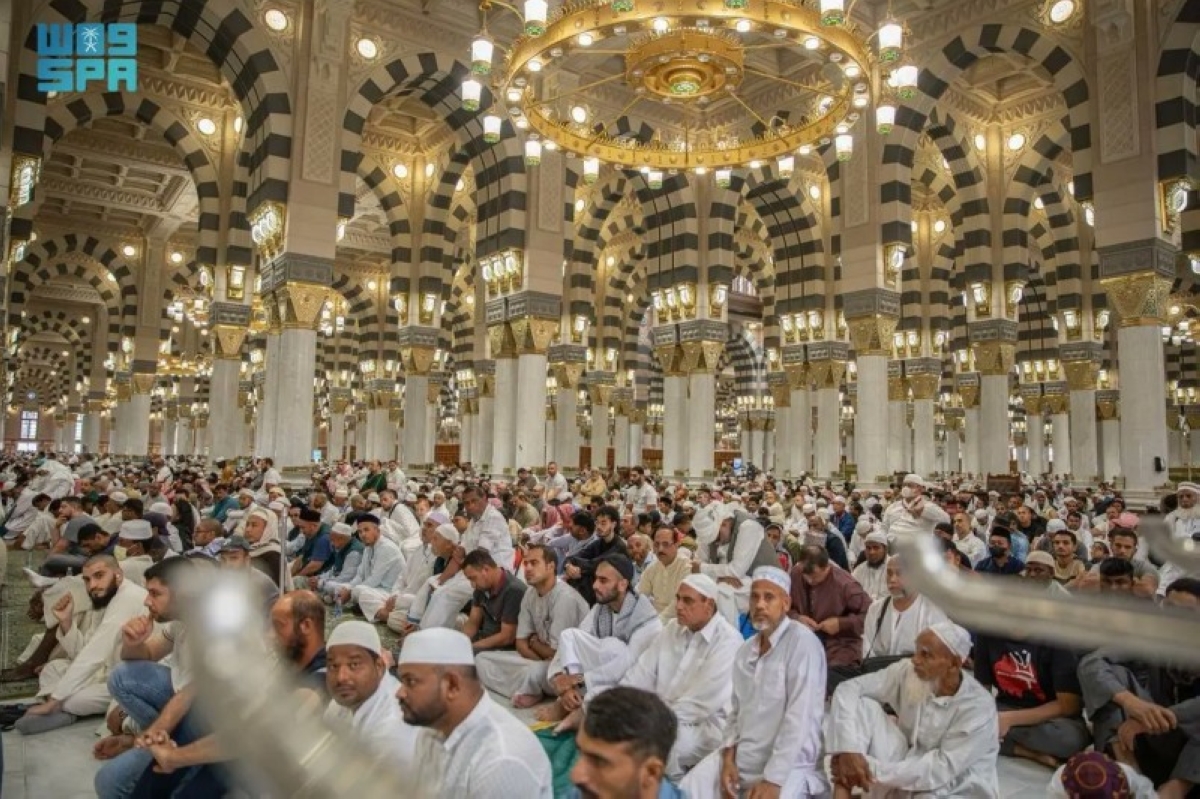
أوصى إمام وخطيب المسجد الحرام الشيخ الدكتور ماهر بن حمد المعيقلي، المسلمين بتقوى الله تعالى وطاعته والعلم أن أمامهم موتًا وقبرًا، ونشورًا وحشرًا وجزاءً، فمنعّم مسرور ومعذب مثبور.
وقال في خطبة الجمعة التي ألقاها اليوم بالمسجد الحرام: إن القلب هو محل نظر الرب، فمن لقي الله بقلبٍ سليم، فقد أفلح وأنجح، ومن لقيَهُ بقلبٍ مريض، فقد خاب وخسر، وأمراض القلوب كثيرة، ومن أخطرها مرض القسوة، فصاحب القلب القاسي يُعرِض عن التوبة والإنابة، حتى عند نزول الابتلاء والمصيبة، فيصبح قلبه مرتعًا للشيطان ولا يستجيب لمواعظ القرآن.
وأوضح المعيقلي أن الحياة قصيرة مهما طالت، وأيامها قليلة مهما كثرت، والموفق من عاش فيها على طاعة ربه، وتزوّد منها ليوم لقاء خالقه، والخاسر من أتبَعَ نفسهُ هواها، وتمنى على الله الأماني حتى يفجأْهُ الموت وهو على غفلته، فلم يتهيّأ بعمل صالح يكون سببًا لنجاته، فالمرتحلون من هذه الحياة صنفان، ميّت يستريح من تعب هذه الدار ويُفضي إلى راحة دار القرار، وميّت يستريح منه العباد والبلاد ويفضي إلى سوء المصير وبئس المهاد.
وأكد أن الإنسان إذا ماتَ فقد قامت قيامته، فالقبر أول منازل الآخرة جَعلَهُ الله موعظةً وعبرة يَرِقُّ لها القلب وتدفع الغفلة وتُعين على الاجتهاد في الطاعة، فلا ينفع الإنسان في قبره إلا عمله.
وأشار إلى أن في زيارة المقابر من التذكر والتفكر مايبعث المرء على الخوف والوجل والمسارعة إلى الطاعة والعمل، ومن خاف أدلج، ومن أدلج بلغ المنزلة، فلذا حث النبي على زيارة القبور للعظة والتذكر، والدعاء للأموات فالقبور ممتلئة ظلمة ينيرها الله بدعاء الصالحين من عباده.
ونوّه الشيخ المعيقلي بحُرماتٍ للقبور: فلا يجوز وطؤها ولا الجلوس عليها ولا الصلاة إليها أو اتخاذها مساجد، كما لا يجوز تعظيم قبور الصالحين والبناء عليها، فضلًا عن الطواف حولها والذبح والنذر لها أو دعاء أصحابها والاستغاثة بهم، وطلب الحوائج وتفريج الكربات منهم، والاقتصار على ما سُنَّتْ له زيارة القبور من الاتعاظ والتذكر، والسلام على الأموات والدعاء لهم، وتجنّب ما يسخط الرب عندها.
وفي المسجد النبوي أوصى الدكتور عبدالباري الثبيتي المسلمين في خطبته بتقوى الله ومراقبته، فإنها زاد المؤمن في دينه، وحرزه عند لقاء مولاه من تمسك بها سعد، ومن أعرض عنها شقي وابتعد.
وقال: في هذا العصر الرقمي المتسارع، تشعبت المنصات، وتعددت النوافذ فأصبح الصوت الواحد يُسمع في لحظات، ويصل صداه إلى الآلاف، وربما الملايين، وبرزت وجوه وشخصيات لها تأثير وحضور عبر نوافذها الشخصية، وقدراتها التقنية نالت القبول لأسباب متعددة: إخلاص في العطاء، أو حكمة في القول، أو نفع للناس، أو صدق في تمثيل قيم الدين، وتحصين الوطن، أو روح تبعث على العمل والتفاؤل، هؤلاء هم من يطلق عليهم اليوم «المؤثرون»، والمشهورون في مجتمعاتهم، وليس التأثير محصورًا فيمن يحمل لقبًا أو شهادة، بل هو في حقيقته كل من يتابعه الناس، ويصغون إليه، ويتأثرون بكلمته، أو سلوكه، أو فكرته، أو حتى طريقته في الحياة.
وبين أن المكانة التي يصل إليها المؤثر نعمة، ومن النعم ما يعلو شأنه إذا قرن بالمسؤولية، وحسن هذه النعمة أن يستشعر أنها أمانة، وأن يقدر ما تحمله من تبعات دينية وأخلاقية ووطنية، فليس التأثير وجاهة، بل تكليف خفي يقاس بعمق الأثر النافع، لا بعدد المتابعين، فالمؤمن الحق يعلم أن الأثر الصادق هو ما يصلح ولا يُفسد، ويُوحد ولا يُفرّق.
وأشار إلى أنه ما أجمل أن يدرك صاحب التأثير، أن ما بين يديه قد يكون من أثقل ما يوضع في ميزانه، إن نوى به نفع الناس، وتخفيف آلامهم، وبث الأمل فيهم، وربطهم بربهم، وتنبيههم إلى ذواتهم، وشحذ هممهم للتنمية، وإنارة عقولهم بالعلم، وإيقاظ قلوبهم بنور الإيمان، فكم من كلمة صدق أحيت قلبًا خامدًا، وكم من موقف أخلاق أصلح بيتًا مضطربًا، وكم من مبادرة خير رفعت أمة، وأحيت روح التعاون في وطن كريم، فإذا علم أن كلمته قد تغير مجرى حياة، أو أن مقطعًا عابرًا من يومياته قد يعيد تشكيل سلوك، أو أن تعليقًا عفويًا قد يصبح قرارًا في قلب متابع، فإنه من وعيه وصدقه يُعيد النظر فيما ينتج، ويُراجع نفسه في كل ما ينشر، قال رسول الله: (إن أحدكم ليتكلم بالكلمة من رضوان الله ما يظن أن تبلغ ما بلغت فيكتب الله له بها رضوانه إلى يوم يلقاه، وإن أحدكم ليتكلم بالكلمة من سخط الله ما يظن أن تبلغ ما بلغت فيكتب الله عليه بها سخطه إلى يوم يلقاه).
وختم إمام وخطيب المسجد النبوي الشيخ الدكتور عبدالباري الثبيتي خطبته مبينًا أن المؤثر أصبح شريكًا في تربية النفوس، فأحرى به أن يكون على قدر هذه الشراكة، فيزرع القيم، ويُنير الطريق، ويُشجع على العمل النافع، ويغرس في النفوس حب البناء، وروح الألفة، ونبل الانتماء، وليكن لخطابه أثر في صناعة الإنسان الصالح الذي يُعمر الأرض بالإيمان والعمل، نعم، في ساحتنا الإعلامية اليوم فئة مباركة، اتخذت من منصاتها منبرًا تفيض رسالتها بالخير في مجالات منها الدين والتربية والأخلاق والصحة والهوية والانتماء، والأمن؛ تحمل في محتواها روح الرحمة، وتستشعر مسؤوليتها في بناء جيل متوازن يحب دينه وأمته ووطنه.
The Imam and preacher of the Grand Mosque, Sheikh Dr. Maher bin Hamad Al-Muaiqly, advised Muslims to fear Allah Almighty and obey Him, reminding them that they face death, a grave, resurrection, gathering, and recompense. The blessed will be joyful, while the punished will be doomed.
In his Friday sermon delivered today at the Grand Mosque, he stated that the heart is where the Lord's gaze falls; whoever meets Allah with a sound heart has succeeded and prospered, while whoever meets Him with a sick heart has failed and lost. The diseases of the heart are many, and among the most dangerous is the disease of hardness. The one with a hard heart turns away from repentance and returning to Allah, even when faced with trials and calamities, making his heart a playground for Satan and unresponsive to the admonitions of the Quran.
Al-Muaiqly clarified that life is short, no matter how long it seems, and its days are few, no matter how numerous they are. The successful one is he who lives in obedience to his Lord and prepares for the day he meets his Creator, while the loser is he who follows his desires and wishes for Allah's mercy until death surprises him while he is heedless, without having prepared righteous deeds that could save him. Those departing from this life are of two types: the dead who finds rest from the toil of this world and enters the comfort of the eternal abode, and the dead from whom the servants and the land find relief, leading to a bad end and a wretched resting place.
He emphasized that when a person dies, their resurrection has begun; the grave is the first station of the Hereafter, which Allah has made a lesson and a reminder that softens the heart, dispels heedlessness, and aids in striving for obedience. In the grave, only one's deeds will benefit them.
He pointed out that visiting graves contains reminders and reflections that inspire fear and apprehension, prompting one to hasten towards obedience and good deeds. Whoever fears will set out, and whoever sets out will reach their destination. Therefore, the Prophet encouraged visiting graves for admonition and remembrance, and praying for the deceased, as graves are filled with darkness illuminated by the prayers of the righteous among His servants.
Sheikh Al-Muaiqly noted the sanctity of graves: it is not permissible to tread upon them, sit on them, pray towards them, or take them as mosques. It is also not permissible to glorify the graves of the righteous or build upon them, let alone circumambulate them, offer sacrifices, make vows to them, or seek help from their occupants, or request needs and relief from them. One should adhere to what has been prescribed for visiting graves, which includes admonition, remembrance, greeting the deceased, and praying for them, while avoiding what angers the Lord.
In the Prophet's Mosque, Dr. Abdul Bari Al-Thubaiti advised Muslims in his sermon to fear Allah and be mindful of Him, for this is the sustenance of the believer in their religion, and a protection when meeting their Lord. Whoever clings to it will be happy, and whoever turns away will be miserable and distant.
He said: In this fast-paced digital age, platforms have diversified, and windows have multiplied, so a single voice can be heard in moments, reaching thousands, perhaps millions. Influential figures and personalities have emerged with presence and impact through their personal windows, and their technical capabilities have gained acceptance for various reasons: sincerity in giving, wisdom in speech, benefit to people, or honesty in representing the values of religion, safeguarding the homeland, or a spirit that inspires work and optimism. These are what are today referred to as "influencers," who are well-known in their communities. Influence is not limited to those who hold a title or a degree; rather, it is, in essence, anyone whom people follow, listen to, and are affected by their words, behavior, ideas, or even their way of life.
He explained that the status an influencer reaches is a blessing, and among the blessings, some elevate in significance when associated with responsibility. The beauty of this blessing is to feel that it is a trust and to appreciate the religious, moral, and national responsibilities it carries. Influence is not merely prestige but a hidden duty measured by the depth of beneficial impact, not by the number of followers. A true believer knows that the genuine impact is what rectifies and does not corrupt, unites and does not divide.
He pointed out how beautiful it is for an influencer to realize that what they hold may be among the heaviest things placed on their scales if they intend to benefit people, alleviate their pains, instill hope in them, connect them to their Lord, awaken their self-awareness, inspire their ambitions for development, enlighten their minds with knowledge, and awaken their hearts with the light of faith. How many truthful words have revived a dormant heart, how many ethical stances have rectified a troubled home, and how many good initiatives have uplifted a nation and revived the spirit of cooperation in a noble homeland! If one knows that their words can change the course of a life, or that a fleeting clip from their daily life could reshape behavior, or that a spontaneous comment could become a decision in a follower's heart, then out of their awareness and sincerity, they will reconsider what they produce and reflect on everything they publish. The Messenger of Allah said: (Indeed, one of you may speak a word that pleases Allah, not thinking it will reach what it reaches, and Allah will record for him His pleasure until the Day he meets Him. And one of you may speak a word that angers Allah, not thinking it will reach what it reaches, and Allah will record for him His anger until the Day he meets Him).
Sheikh Dr. Abdul Bari Al-Thubaiti concluded his sermon by stating that the influencer has become a partner in nurturing souls, so it is fitting for them to be worthy of this partnership, planting values, illuminating the path, encouraging beneficial work, instilling in souls the love of building, the spirit of camaraderie, and noble belonging. Let their discourse have an impact on shaping the righteous person who populates the earth with faith and action. Indeed, in our media landscape today, there is a blessed group that has taken their platforms as a pulpit, overflowing with messages of goodness in areas such as religion, education, ethics, health, identity, belonging, and security; they carry within their content the spirit of mercy and feel their responsibility in building a balanced generation that loves its religion, nation, and homeland.