كشف الدليل الإرشادي للحقوق والتزامات العمالة المنزلية، حزمة متكاملة من التشريعات التي تنظم العلاقة بين أصحاب العمل والعاملين. وأكدت وزارة الموارد البشرية والتنمية الاجتماعية، أن تنظيم قطاع العمالة المنزلية ينطلق من حرص المملكة على حماية حقوق جميع الأطراف، وضمان بيئة عمل قائمة على العدالة والكرامة الإنسانية.وحدد الدليل قائمة المهن التي يسمح النظام بمزاولتها في قطاع العمالة المنزلية، منها: العامل المنزلي، والسائق الخاص، والمربية، مروراً بالمهن المتخصصة كالممرض المنزلي، والطباخ، والخياط، والسفرجي، والمباشر، ومدير المنزل، وصولاً إلى الحارس المنزلي، والمساعد الشخصي، والمزارع، وأخصائي العلاج الطبيعي، إضافة إلى القهوجي المنزلي. وأتاح النظام المجال لإضافة أي مهن أخرى يمكن أن تندرج ضمن مهمات العمالة المنزلية.وتضمنت اللائحة، التي تنشر «عكاظ» تفاصيلها، حزمة من الحقوق التي تكفل للعامل المنزلي حياة كريمة وبيئة عمل مستقرة، تضم عدم تحميله أي رسوم متعلقة بالاستقدام أو تغيير المهنة أو نقل الخدمات أو الإقامة ورخصة العمل، مع ضمان استلام أجره وفق العقد الموحد الموقع مع صاحب العمل. وشددت اللائحة على حقه في يوم راحة أسبوعي متفق عليه في العقد، وساعات راحة يومية لا تقل عن 8 ساعات متواصلة، إلى جانب إجازة شهر كامل بعد إتمام سنتين من العمل المتواصل في حال رغب بالتجديد.الحفاظ على أسرار المنزلتضمنت حقوق العامل المنزلي حصوله على تذكرة سفر إلى بلده كل عامين على نفقة صاحب العمل، ومكافأة نهاية خدمة تعادل راتب شهر عند إكمال 4 سنوات متتالية، وإجازة مرضية تصل إلى 30 يوماً في السنة عند الحاجة، بموجب تقرير طبي معتمد، إضافة إلى حقه في الاحتفاظ بجميع وثائقه الثبوتية مثل جواز السفر والإقامة دون أن تُحجز من قبل صاحب العمل.وشملت اللائحة، الالتزامات على العامل المنزلي، ومنها: حسن سير العلاقة التعاقدية، واستقرار بيئة العمل داخل الأسرة، وأداء العمل بنفسه وتحت إشراف صاحب العمل وأفراد أسرته، مع ضرورة المحافظة على ممتلكات الأسرة وأدوات العمل والاعتناء بها، والامتناع عن أي اعتداء لفظي أو جسدي تجاه صاحب العمل أو أحد أفراد أسرته، والحفاظ على أسرار المنزل وعدم إفشائها للغير تحت أي ظرف، وعدم ترك العمل أو العمل لحسابه الخاص أو لدى الغير دون مبرر مشروع، إلى جانب التزامه باحترام الدين الإسلامي والأنظمة المرعية في المملكة، ومراعاة عادات وتقاليد المجتمع السعودي وما يرتبط بها من قيم وآداب عامة.منع نهائي من الاستقداميتحمل صاحب العمل المنزلي مجموعة من الالتزامات النظامية التي تهدف إلى ضمان علاقة تعاقدية عادلة مع العامل المنزلي، في مقدمتها إبرام عقد عمل رسمي وفق الآليات المعتمدة من وزارة الموارد البشرية والتنمية الاجتماعية، مع الالتزام بتوفير مكان مناسب للسكن والطعام أو صرف بدل مادي عنهما.ويلتزم صاحب العمل بتمكين العامل من التواصل مع ذويه بشكل طبيعي، وإصدار وتجديد الإقامة والرخص النظامية على نفقته الخاصة، وضرورة دفع الأجر الشهري بانتظام وفق ما نص عليه العقد، وتوفير الرعاية الصحية للعامل، إضافة إلى منحه ساعات الراحة اليومية والإجازات المقررة نظاماً، وعدم تكليف العامل بأي عمل يهدد صحته أو يمس كرامته الإنسانية.ووضعت اللائحة المنظمة للعمالة المنزلية عقوبات واضحة وصارمة، تهدف إلى ردع أي مخالفات؛ وفي حال مخالفة صاحب العمل للأنظمة سيواجه غرامة مالية قد تصل إلى 20 ألف ريال، إضافة إلى إمكانية منعه من الاستقدام لمدة تصل إلى 3 سنوات، وقد يمتد المنع ليكون نهائياً في بعض الحالات، مع مضاعفة العقوبة عند تكرار المخالفة.
منع تحميل العامل رسوم الاستقدام وتغيير المهنة ونقل الخدمات ورخصة العمل
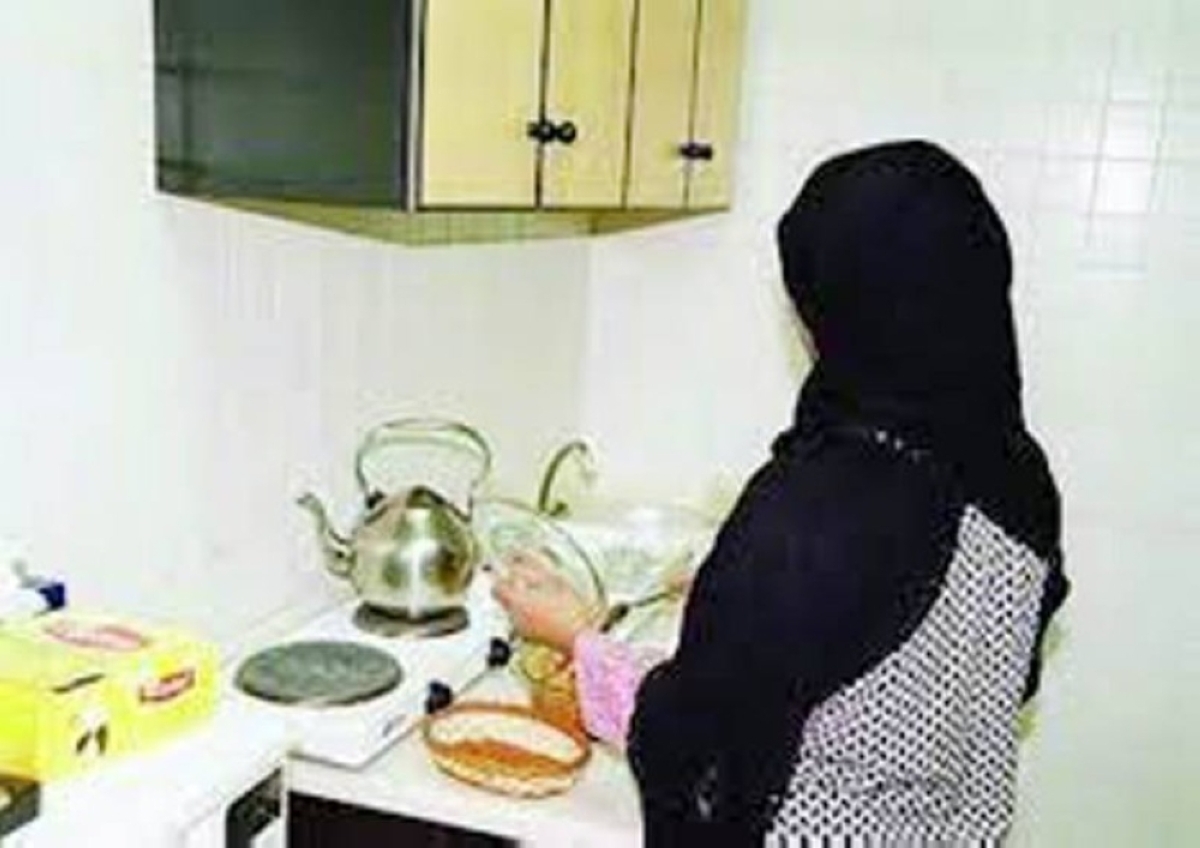


The guide to the rights and obligations of domestic workers reveals a comprehensive package of legislation that regulates the relationship between employers and workers. The Ministry of Human Resources and Social Development confirmed that the organization of the domestic labor sector stems from the Kingdom's commitment to protecting the rights of all parties and ensuring a work environment based on justice and human dignity. The guide specifies a list of professions that the system allows to be practiced in the domestic labor sector, including: domestic worker, private driver, nanny, as well as specialized professions such as home nurse, cook, tailor, steward, housekeeper, and home manager, extending to home guard, personal assistant, farmer, and physiotherapist, in addition to the home coffee server. The system allows for the addition of any other professions that may fall under the tasks of domestic labor. The regulation, the details of which are published by "Okaz," includes a set of rights that guarantee domestic workers a dignified life and a stable work environment, including not charging them any fees related to recruitment, changing professions, transferring services, residency, or work permits, along with ensuring they receive their wages according to the unified contract signed with the employer. The regulation emphasized their right to an agreed-upon weekly day off in the contract, daily rest hours of no less than 8 continuous hours, in addition to a full month of leave after completing two years of continuous work if they wish to renew.
Maintaining household secrets is among the rights of domestic workers, which include receiving a travel ticket to their home country every two years at the employer's expense, an end-of-service gratuity equivalent to one month's salary upon completing 4 consecutive years, and sick leave of up to 30 days per year when needed, based on an approved medical report, in addition to their right to keep all their identification documents such as passport and residency without them being withheld by the employer. The regulation also includes obligations for the domestic worker, such as maintaining the integrity of the contractual relationship, ensuring a stable work environment within the family, performing work personally and under the supervision of the employer and family members, taking care of the family's property and work tools, refraining from any verbal or physical abuse towards the employer or any family member, maintaining household secrets and not disclosing them to others under any circumstances, not leaving work or working for themselves or others without a legitimate reason, as well as committing to respecting Islamic law and the regulations in force in the Kingdom, and observing the customs and traditions of Saudi society and the related values and public etiquette.
The employer bears a set of regulatory obligations aimed at ensuring a fair contractual relationship with the domestic worker, foremost among them is the conclusion of a formal employment contract according to the mechanisms approved by the Ministry of Human Resources and Social Development, along with the commitment to provide suitable accommodation and food or pay a financial allowance for them. The employer is obligated to enable the worker to communicate with their family normally, issue and renew residency and legal permits at their own expense, and ensure the monthly wage is paid regularly as stipulated in the contract, provide healthcare for the worker, in addition to granting them daily rest hours and legally mandated vacations, and not assigning the worker any tasks that threaten their health or violate their human dignity. The regulation governing domestic labor has established clear and strict penalties aimed at deterring any violations; if the employer violates the regulations, they will face a financial fine of up to 20,000 riyals, in addition to the possibility of being banned from recruitment for up to 3 years, and in some cases, the ban may be permanent, with penalties doubled for repeated violations.