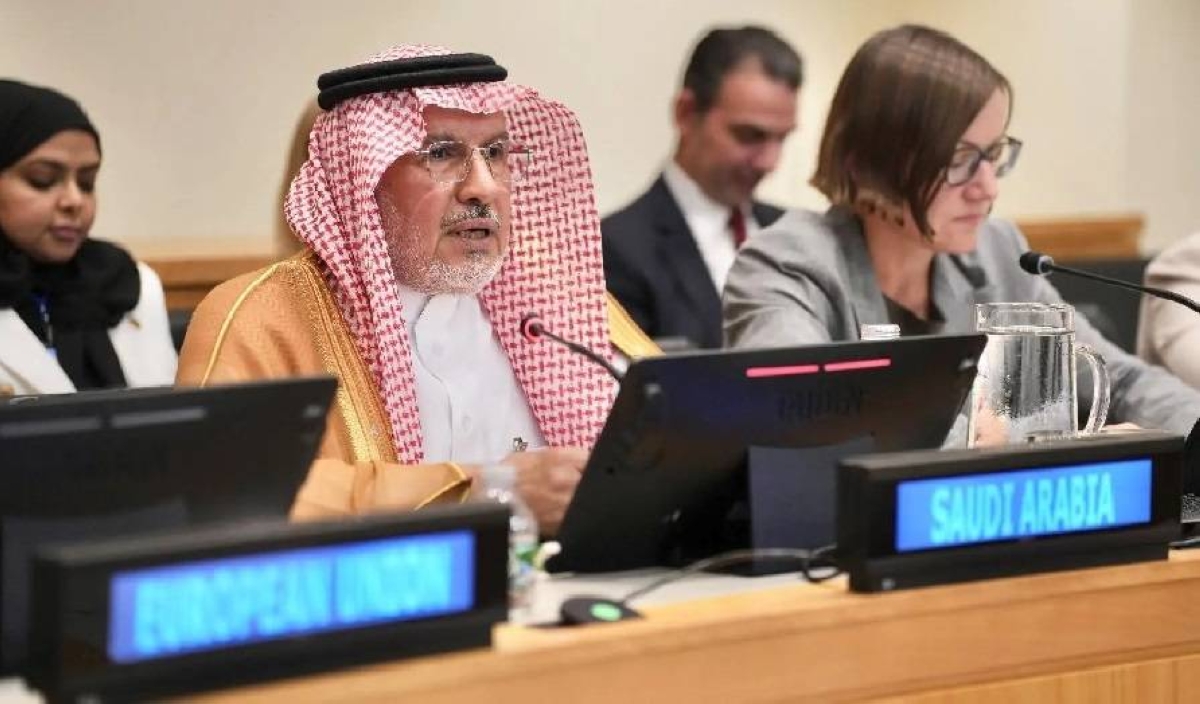
أوضح المستشار بالديوان الملكي المشرف العام على مركز الملك سلمان للإغاثة والأعمال الإنسانية الدكتور عبدالله بن عبدالعزيز الربيعة، أن العالم يشهد تحديات غير مسبوقة مثل: الصراعات، والنزوح، والهجرة الجماعية، وانتهاكات حقوق الإنسان في العديد من أجزاء العالم، خصوصا في منطقتي الشرق الأوسط وأفريقيا، مشيرًا إلى نزوح أكثر من (20) مليون شخص في السودان وغزة وحدهما، واستشهاد (60) ألف فلسطيني، وإصابة مئات الآلاف، إضافة إلى مقتل (300) عاملٍ إنساني.
جاء ذلك خلال الجلسة رفيعة المستوى بعنوان: «الدبلوماسية الإنسانية قيد التنفيذ.. الاستجابة الجماعية لأزمات منطقة الشرق الأوسط» التي نظمها المركز أمس بالتعاون مع الاتحاد الأوروبي، وذلك على هامش أعمال الجمعية العامة للأمم المتحدة في دورتها الثمانين المنعقدة بمدينة نيويورك.
وبين الدكتور الربيعة أن هذه المآسي والأزمات التي من صنع الإنسان تبرهن على أهمية الدبلوماسية الإنسانية أداةً حيوية لتحقيق السلام والاستقرار، مؤكدًا أن الجمع بين الدبلوماسية الإنسانية وتقديم المساعدات يُعد أكثر فعالية في الوصول إلى حوار ومفاوضات إيجابية، رغم ما قد يواجهه هذا النهج من صعوبات.
وأضاف الدكتور الربيعة أن المملكة العربية السعودية قدمت نماذج رائدة في سورية، ونجحت الدبلوماسية المدعومة بالمساعدات الإنسانية في تحقيق السلام والاستقرار والأمل، لافتًا النظر إلى أن جهودًا مماثلة يمكن أن تُسهم في الوصول إلى نتائج أفضل في السودان واليمن وفلسطين.
وأشار الدكتور الربيعة إلى أن أحدث مثال على الدور القيادي للمملكة كان في تعاونها مع فرنسا، وأسهما معًا في لفت أنظار العالم إلى غزة، وطرحا رؤية لحل دائم عبر تنفيذ حل الدولتين، وهو ما حظي بتأييد غالبية المجتمع الدولي، وانعكس في نجاح المؤتمر الدولي الذي عُقد يوم الإثنين الماضي.
وأكد أن العالم اليوم في أمس الحاجة إلى استجابة تعاونية وفعالة أكثر من أي وقت مضى من جميع أصحاب المصلحة في القطاعات الإنسانية والسياسية والتنموية، مبينًا أن الارتفاع المقلق في الصراعات والأزمات واستنزاف ميزانيات المساعدات، إضافة إلى التحديات الاقتصادية العالمية، تُمثل فرصة ذهبية أمام الأمم المتحدة والدول الأعضاء والجهات الفاعلة الدولية والإقليمية والمحلية لاتخاذ إجراءات جادة نحو منع الصراعات، وحل الأزمات عبر الحوار الإيجابي والتفاوض وإزالة أي عوائق تحول دون حصول المدنيين والنساء والأطفال على حقهم في حياة كريمة، يسودها الأمل والكرامة لمستقبل أفضل.
The advisor at the Royal Court and the General Supervisor of the King Salman Humanitarian Aid and Relief Center, Dr. Abdullah bin Abdulaziz Al-Rabeeah, clarified that the world is witnessing unprecedented challenges such as conflicts, displacement, mass migration, and human rights violations in many parts of the world, especially in the Middle East and Africa. He pointed out the displacement of more than (20) million people in Sudan and Gaza alone, the martyrdom of (60) thousand Palestinians, and the injury of hundreds of thousands, in addition to the killing of (300) humanitarian workers.
This was stated during the high-level session titled: "Humanitarian Diplomacy in Action... Collective Response to Crises in the Middle East," which the center organized yesterday in cooperation with the European Union, on the sidelines of the 80th session of the United Nations General Assembly held in New York City.
Dr. Al-Rabeeah indicated that these man-made tragedies and crises demonstrate the importance of humanitarian diplomacy as a vital tool for achieving peace and stability, emphasizing that combining humanitarian diplomacy with aid delivery is more effective in reaching positive dialogue and negotiations, despite the difficulties this approach may face.
He added that the Kingdom of Saudi Arabia has provided pioneering models in Syria, and that diplomacy supported by humanitarian aid has succeeded in achieving peace, stability, and hope, noting that similar efforts could contribute to better outcomes in Sudan, Yemen, and Palestine.
Dr. Al-Rabeeah pointed out that the latest example of the Kingdom's leadership role was in its cooperation with France, as they together drew the world's attention to Gaza and proposed a vision for a permanent solution through the implementation of the two-state solution, which received the support of the majority of the international community and was reflected in the success of the international conference held last Monday.
He affirmed that the world today is in dire need of a cooperative and effective response more than ever from all stakeholders in the humanitarian, political, and developmental sectors, indicating that the alarming rise in conflicts and crises and the depletion of aid budgets, in addition to global economic challenges, represent a golden opportunity for the United Nations, member states, and international, regional, and local actors to take serious action towards preventing conflicts and resolving crises through positive dialogue and negotiation, and removing any barriers that prevent civilians, women, and children from obtaining their right to a dignified life filled with hope and dignity for a better future.