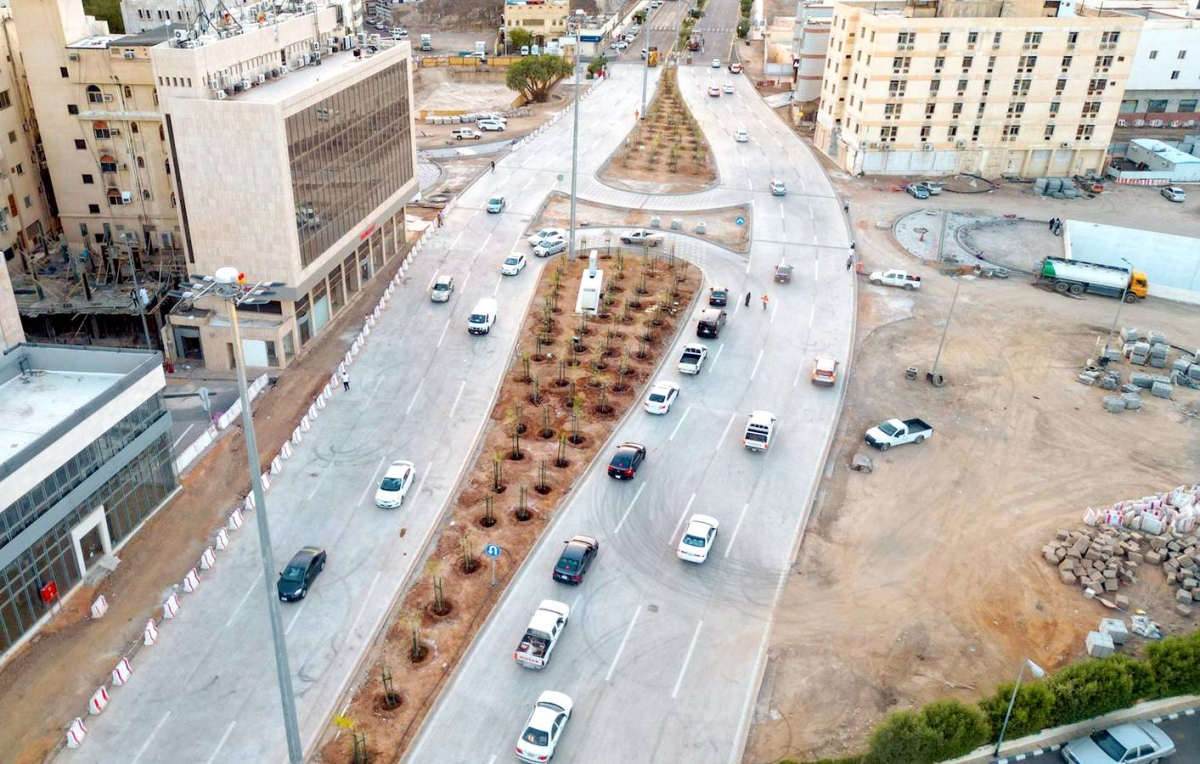
قدّمت وزارة البلديات مقترح دليل وسائل تحكم وتهدئة حركة المرور، الذي يتضمن الوسائل التي يمكن اللجوء إليها وتطويرها والتعديل عليها من أجل تعزيز السلامة المرورية، وتقليل الحوادث والتحكم في أسباب التشوه البصري وتحديد الأسلوب الأمثل للتعامل معها، وتحسين تنظيم المرور في الشوارع والمواقع الحيوية، وتطبيق إستراتيجيات تهدئة الحركة في الأحياء السكنية والمناطق الحساسة، وتزويد مهندسي المرور والمخططين والجهات ذات العلاقة بإرشادات واضحة. ووفقاً للدليل، يقصد بوسائل التحكم المروري جميع التجهيزات التي تزود مستخدمي الطريق بالمعلومات والبيانات الأساسية اللازمة للسير الآمن، وتجنب الوقوع في أخطاء تعرضهم للخطر أو ارتكابهم مخالفات مرورية يعاقب عليها القانون، ويلزم أن تنقل تلك الوسائل المعلومات المطلوب توضيحها لمستخدم الطريق في التوقيت والمكان المناسبين بما يساعد على تحقيق أفضل بيئة لتشغيل الحركة المرورية على شبكة الطرق.
ومن وسائل التحكم المروري طبقاً للدليل اللافتات المرورية، والعلامات الأرضية كالدهانات على الأسفلت، والإشارات، إضافة إلى تجهيزات السلامة المرورية لحركة المشاة مثل الحواجز الجانبية والشواخص كمحددات لسير حركة المشاة والاحتياطات والتدابير اللازمة عند مناطق العمل على الطرق.
وصنف المشروع أنواع التحكم المروري للمناطق الخاصة إلى التحكم المروري لمناطق المدارس، ومرافق الدراجات والمشاة، ومسارات المرور المخصصة وإدارتها، والتحكم المروري للمرافق الخاصة على جانب الطريق مثل مناطق الاستراحة ومحطات فحص الشاحنات، والتحكم المروري للمناطق الريفية الخاصة مثل الطرق والأنفاق الريفية منخفضة الأحجام المرورية في التضاريس الجبلية. وبين المشروع، أن الهدف من اللافتات القياسية توفير معلومات تنظيمية وتحذيرية وإرشادية لمستخدمي الطريق، مع توضيح الأنظمة والمخاطر غير الواضحة، وتحديد المسميات والاتجاهات والأماكن، على أن تتضمن شروط استخدام اللافتات معايير عدة، هي استخدام الكلمات والرموز والأسهم لنقل الرسائل بوضوح، وتركيب اللافتات فقط عند الضرورة. وبين الدليل أن الخطوط الأرضية تستخدم لتنظيم حركة المرور، ويمكن استخدامها وحدها أو مع وسائل التحكم المروري الأخرى.
شروط لاستخدام الإشارات المحمولة
يتم تنفيذ الخطوط الأرضية باستخدام الدهانات أو البلاستيك الحراري، ويمكن استخدام مواد أخرى مثل محددات الرصف الملونة، ويجب عدم استخدام إشارات التحكم في المرور المحمولة إلا عند الحاجة في حالات الطوارئ لفترة قصيرة أو لمناطق العمل، ويجب استخدامها فقط إذا أظهرت دراسة هندسية أنها مطلوبة، كما يجب عدم استخدام إشارة التحكم في المرور المحمولة إذا كان بإمكان شرطي المرور توجيه المرور بطريقة فعّالة وآمنة، ويجب عدم استخدامها عند معبر مدرسة.
ويجب أن تكون أبعاد اللافتات المحددة في الدليل هي المعيار في الطرق الحضرية داخل المملكة، مع زيادة الأحجام القياسية للافتات الطرق السريعة وشبه السريعة، كما يتطلب أن تحتوي جميع اللافتات الإرشادية والاتجاهية التي تتضمن معلومات اتجاهية مثل أسماء الشوارع والطرق السريعة والوجهات.
ويجب زيادة حجم اللافتة التنظيمية أو التحذيرية أو الإرشادية عند الحاجة لتحسين رؤيتها للافتات القياسية، ويمكن مضاعفة اللافتة بإضافة نسخة ثانية مماثلة على الجانب الأيسر من الطريق، كما يمكن وضع لافتة علوية صفراء أو فلورسنت صفراء فوق اللافتة التنظيمية بنفس عرضها، وإضافة لوح يحمل كلمة «جديد» فوق اللافتة الجديدة لتنبيه السائقين إليها، على أن تحدد الجهة المختصة مدة بقائه.
الأولوية لسيارات الطوارئ في التقاطعات
أكد الدليل منح الأولوية لمركبات الطوارئ عند التقاطعات والإشارات الثابتة (التوقف والانطلاق)، كما يجب أن يكون الضوء أخضر أو أصفر وامضاً بين عمليات التشغيل، مع الحفاظ على ترتيب الإشارات الطبيعي، فيما يجب عند مرور مركبة الطوارئ عرض ضوء أصفر ثابت يليه ضوء أحمر ثابت لإيقاف حركة المرور في «الشارع الرئيسي».
أما التحكم المروري بالمناطق الخاصة، فيهدف لتوفير أجهزة التحكم في المرور في المناطق الخاصة إلى إخطار مستخدمي الطريق بأنظمة التحكم في المرور وإبلاغهم بالتحذيرات والإرشادات اللازمة لضمان التشغيل الموحد والفعال لجميع عناصر هذه المناطق.
ونص الدليل أيضاً على أنه يجب تنفيذ الأعمال في أقصر فترة زمنية ممكنة لتجنب التأثير السلبي على المرور، كما أنه لا يجب إيقاف المرور تماماً، ويجب إجراء التعديلات بطريقة تضمن سلامة السائقين والعاملين في موقع العمل، على أن تشمل أجهزة التحكم في المرور لافتات تحذيرية وإرشادية، وأجهزة توجيه وخطوط أرضية مؤقتة وإشارات يدوية أو أعلاماً تحذيرية، ووحدات إضاءة ولافتات الأسهم التحذيرية، وأدوات التحذير من المخاطر مثل البراميل والحواجز، واختيار ووضع لافتات منطقة العمل.
The Ministry of Municipalities has presented a proposal for a guide on traffic control and calming measures, which includes the means that can be resorted to, developed, and modified to enhance traffic safety, reduce accidents, control the causes of visual distortion, determine the optimal method for dealing with them, improve traffic organization in streets and vital locations, apply traffic calming strategies in residential neighborhoods and sensitive areas, and provide traffic engineers, planners, and relevant authorities with clear guidelines. According to the guide, traffic control measures refer to all equipment that provides road users with the essential information and data necessary for safe travel, avoiding mistakes that expose them to danger or committing traffic violations punishable by law. These measures must convey the required information to road users at the right time and place, helping to achieve the best environment for the operation of traffic on the road network.
Among the traffic control measures according to the guide are traffic signs, ground markings such as paint on asphalt, signals, in addition to traffic safety equipment for pedestrian movement, such as side barriers and posts as delimiters for pedestrian movement, and the precautions and measures necessary at work zones on roads.
The project classified types of traffic control for special areas into traffic control for school zones, bicycle and pedestrian facilities, designated traffic lanes and their management, traffic control for roadside facilities such as rest areas and truck inspection stations, and traffic control for special rural areas such as low-traffic rural roads and tunnels in mountainous terrain. The project indicated that the goal of standard signs is to provide organizational, warning, and guiding information to road users, clarifying unclear regulations and risks, and specifying names, directions, and locations. The conditions for using signs include several criteria, such as using words, symbols, and arrows to convey messages clearly, and installing signs only when necessary. The guide indicated that ground markings are used to organize traffic and can be used alone or in conjunction with other traffic control measures.
Conditions for Using Portable Signals
Ground markings are implemented using paint or thermal plastic, and other materials such as colored pavement markers may be used. Portable traffic control signals should only be used when necessary in emergency situations for a short period or at work zones, and they should only be used if an engineering study shows they are required. Additionally, portable traffic control signals should not be used if a traffic officer can effectively and safely direct traffic, and they should not be used at school crossings.
The dimensions of the signs specified in the guide should be the standard for urban roads within the Kingdom, with increased standard sizes for highway and semi-highway signs. All guiding and directional signs that include directional information such as street names, highways, and destinations must be included.
The size of the regulatory, warning, or guiding sign should be increased when necessary to improve visibility compared to standard signs. The sign can be doubled by adding a similar second version on the left side of the road. A yellow or fluorescent yellow overhead sign can also be placed above the regulatory sign with the same width, and a board with the word "New" can be added above the new sign to alert drivers, with the duration of its presence determined by the relevant authority.
Priority for Emergency Vehicles at Intersections
The guide emphasized granting priority to emergency vehicles at intersections and fixed signals (stop and go). The light should be green or yellow flashing between operations while maintaining the natural order of signals. When an emergency vehicle passes, a steady yellow light should be displayed followed by a steady red light to stop traffic on the "main street."
As for traffic control in special areas, the aim is to provide traffic control devices in special areas to notify road users of traffic control systems and inform them of necessary warnings and guidelines to ensure unified and effective operation of all elements in these areas.
The guide also stated that work should be carried out in the shortest possible time to avoid negative impacts on traffic, and traffic should not be completely stopped. Modifications should be made in a way that ensures the safety of drivers and workers at the work site, including traffic control devices such as warning and guiding signs, directing devices, temporary ground markings, manual signals or warning flags, lighting units, warning arrow signs, and hazard warning tools such as barrels and barriers, as well as selecting and placing work zone signs.