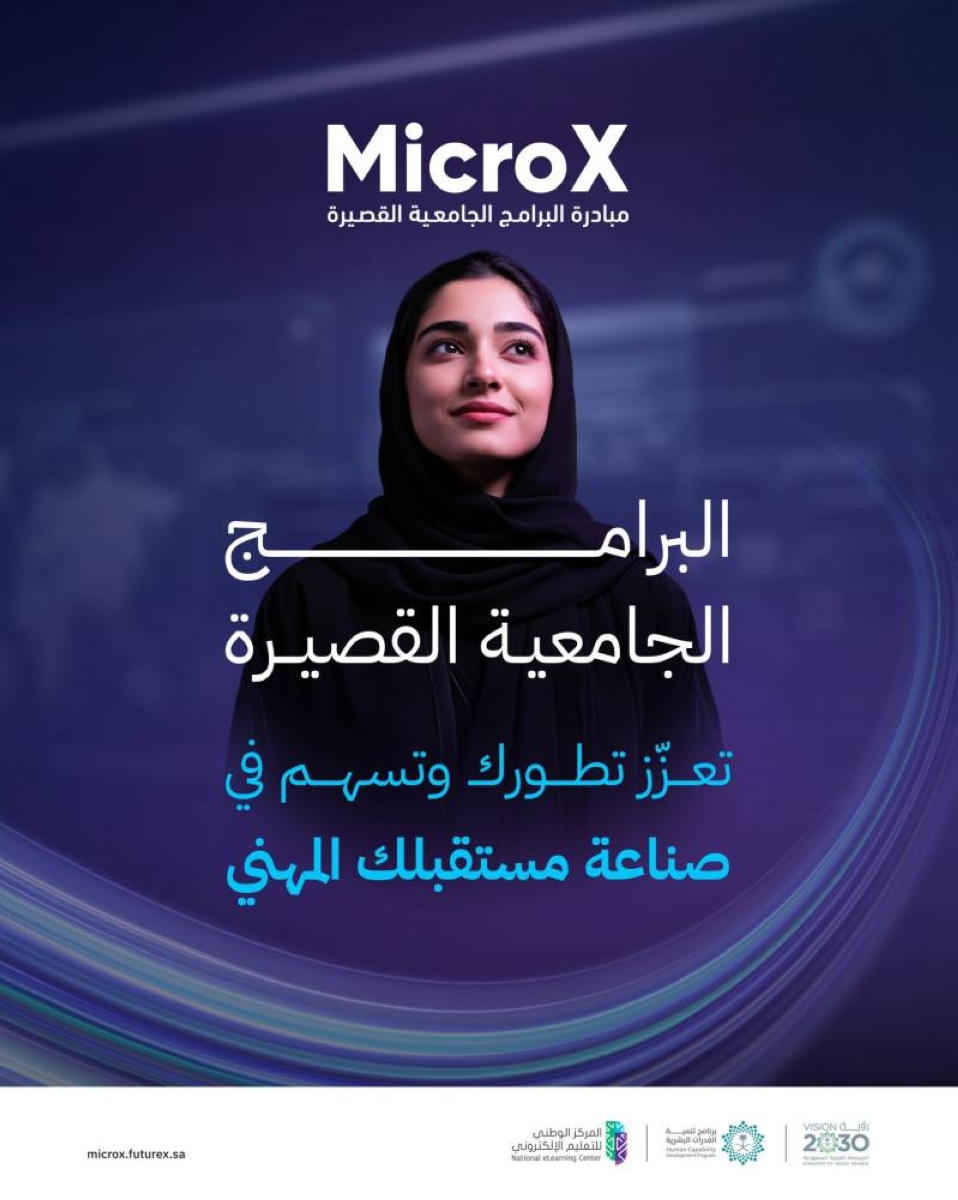
تمضي المملكة العربية السعودية في مسار طموح نحو بناء مجتمع منتج ومهني عالي الكفاءة، ضمن مستهدفات رؤية السعودية 2030 التي تضع تنمية الإنسان وتمكينه في صدارة أولويات التنمية الوطنية، وفي هذا السياق، برزت البرامج القصيرة كأداة إستراتيجية لتأهيل الكفاءات الوطنية، وتلبية متطلبات سوق العمل المتسارع، بما يُسهم في تحقيق التنمية الشاملة على المستويين الاقتصادي والاجتماعي.
وتُعد البرامج الجامعية القصيرة إحدى أبرز أدوات هذا التحول، حيث صُممت لتقديم تعليم مرن ورقمي بشكل مباشر يربط المتعلم بالواقع المهني، دون الحاجة إلى المسارات الأكاديمية المطوّلة، وقد ساهمت هذه البرامج في خلق نموذج تعليمي جديد يُركّز على الكفاءة، والتخصص، وسرعة التأهيل.
تمتاز هذه البرامج بكونها مسارات قابلة للتخصيص، إذ تُمكّن المتعلمين من اختيار مسارات تعليمية تتناسب مع اهتماماتهم ومجالاتهم المهنية، وخبراتهم السابقة، ما منحهم هذا التنوع فرصة بناء رحلة تعليمية مرنة وموجّهة، تُسهم في تعزيز دافعيتهم وتحقيق نتائج أسرع وأكثر ارتباطًا بأهدافهم العلمية والعملية.
وعلى صعيد التطبيق، فإن التركيز على المحتوى المتخصص وسهولة الوصول إليه يرفع من نسبة الاستيعاب ويُسرّع عملية التعلّم، ما يُمكّن المتعلمين من تطبيق المهارات المكتسبة فورًا في بيئات العمل الواقعية، وهو ما يعزّز الإنتاجية ويُسرّع من الأثر الاقتصادي المباشر لهذه البرامج.
وتكمن القيمة الإستراتيجية لهذه البرامج في مواءمتها الوثيقة مع المتطلبات المتغيرة للقطاعات الحيوية وفق حاجة سوق العمل، حيث يتم تصميم محتواها بالشراكة مع جامعات ومؤسسات أكاديمية مرموقة، وجهات توظيف من القطاعين العام والخاص، بما يضمن توافقها مع المهارات المطلوبة فعليًا في سوق العمل السعودي، وهذا الربط الفعلي بين التعليم وسياقاته الاقتصادية يُسهم في تقليص الفجوة بين مخرجات التعليم واحتياجات التوظيف، ويُعزز من قدرة الخريجين على الالتحاق مباشرة بوظائف نوعية في مجالات متقدمة.
كما يُمثّل التعليم قصير المدى، في صيغته الجامعية القصيرة، أحد المحفزات الأساسية لتحقيق التنمية الاقتصادية، من خلال رفع كفاءة رأس المال البشري، وزيادة معدلات التوظيف، ودعم ريادة الأعمال، لا سيما في القطاعات ذات النمو السريع مثل التقنية، والذكاء الاصطناعي، والسياحة، والخدمات الصحية، وتُعد هذه المساهمة جزءًا من التحول الوطني نحو اقتصاد أكثر تنوعًا واعتمادًا على المعرفة.
وعلى المستوى الاجتماعي، تعزّز هذه البرامج مسألة التعلّم مدى الحياة، وتوفّر فرصًا تعليمية مرنة لفئات متنوعة من المجتمع، بما في ذلك الشباب، والنساء، ومن هم على رأس العمل الراغبين في تطوير مهاراتهم أو تغيير مساراتهم المهنية، وهو ما يعزّز العدالة التعليمية، ويُوسّع من قاعدة المشاركة المجتمعية في التنمية، ويمنح الأفراد أدوات حقيقية لتحسين مستوياتهم المعيشية واستقلاليتهم الاقتصادية.
وفي ضوء ذلك، تبرز البرامج الجامعية القصيرة كمكوّن إستراتيجي في منظومة التعليم الحديثة، ما يعكس تحولًا نوعيًا في فلسفة التأهيل المهني عبر التعليم الإلكتروني، ويعتمد على الكفاءة، وسرعة الاكتساب، والارتباط المباشر بنتائج قابلة للتطبيق في الواقع العملي، ومن خلال هذا النموذج التعليمي، أصبح التعليم أداة فاعلة لتمكين المواطن، وتسريع التنمية الشاملة، وبناء مجتمع أكثر استعدادًا للتكيّف والمنافسة في اقتصاد عالمي سريع التحوّل.
The Kingdom of Saudi Arabia is progressing on an ambitious path towards building a productive and highly efficient professional society, within the targets of Saudi Vision 2030, which places human development and empowerment at the forefront of national development priorities. In this context, short programs have emerged as a strategic tool for qualifying national competencies and meeting the demands of the rapidly evolving labor market, contributing to achieving comprehensive development on both economic and social levels.
Short university programs are among the most prominent tools of this transformation, designed to provide flexible and direct digital education that connects learners to the professional reality, without the need for prolonged academic pathways. These programs have contributed to creating a new educational model that focuses on efficiency, specialization, and rapid qualification.
These programs are characterized by being customizable pathways, enabling learners to choose educational tracks that align with their interests, professional fields, and previous experiences. This diversity has given them the opportunity to build a flexible and directed educational journey, which enhances their motivation and achieves faster results more closely related to their academic and practical goals.
In terms of application, the focus on specialized content and ease of access increases comprehension rates and accelerates the learning process, enabling learners to apply the acquired skills immediately in real work environments. This enhances productivity and accelerates the direct economic impact of these programs.
The strategic value of these programs lies in their close alignment with the changing requirements of vital sectors according to labor market needs. Their content is designed in partnership with prestigious universities and academic institutions, as well as employment agencies from both the public and private sectors, ensuring alignment with the skills actually required in the Saudi labor market. This actual connection between education and its economic contexts helps reduce the gap between educational outputs and employment needs, enhancing graduates' ability to directly join quality jobs in advanced fields.
Moreover, short-term education, in its short university format, represents one of the key incentives for achieving economic development by enhancing human capital efficiency, increasing employment rates, and supporting entrepreneurship, particularly in rapidly growing sectors such as technology, artificial intelligence, tourism, and healthcare. This contribution is part of the national transformation towards a more diversified and knowledge-based economy.
On a social level, these programs promote the concept of lifelong learning and provide flexible educational opportunities for diverse segments of society, including youth, women, and those currently employed who wish to develop their skills or change their career paths. This enhances educational equity, expands the base of community participation in development, and provides individuals with real tools to improve their living standards and economic independence.
In light of this, short university programs emerge as a strategic component in the modern education system, reflecting a qualitative shift in the philosophy of vocational qualification through e-learning, relying on efficiency, rapid acquisition, and direct connection to applicable outcomes in practical reality. Through this educational model, education has become an effective tool for empowering citizens, accelerating comprehensive development, and building a society more prepared to adapt and compete in a rapidly changing global economy.