اقترحت وزارة البيئة والمياه والزراعة، تحديث قواعد وإجراءات لجان النظر في مخالفات أحكام النظام ولوائحه التنفيذية.
وتضمن التعديل إيقاع العقوبات على المخالفين بواحدة أو أكثر من العقوبات: غرامة لا تزيد على 20 مليون ريال، تعليق الترخيص أو التصريح لمدة لا تتجاوز 6 أشهر، إلغاء الترخيص أو التصريح وفرض غرامة عن كل يوم يستمر فيه المخالف في مخالفته بعد تبليغه بالقرار.
واقترحت الوزارة، مضاعفة العقوبة على المخالف في حالة تكرار المخالفة نفسها خلال سنة من تاريخ صدور قرار العقوبة السابقة. ومن التعديلات المقترحة الطلب من المحكمة المختصة الحكم بمصادرة المضبوطات محل المخالفة.
وتطرّقت التعديلات إلى ضوابط عمل اللجان التي تنظر المخالفات وتوقع العقوبات وتفصل في الاعتراضات والتظلمات، وللجان طلب حضور وسماع أقوال من تراه ذي صفة عند نظرها في مخالفة ما، ولها أن تكتفي بإفادة مكتوبة، ولها طلب حضور أي من أطراف المخالفة، وطلب أي وثائق أو مستندات تتعلق بالمخالفة، وتُطبق اللجان نظام المرافعات الشرعية ونظام الإجراءات الجزائية -فيما لم يرد به نص في هذه القواعد، وبما لا يتعارض مع اختصاصات وصلاحيات وطبيعة عملها، ويكون الإثبات أمام اللجان بجميع طرق الإثبات بما لا يتعارض مع ما هو منصوص عليه في نظام الإثبات، وللمخالف أن يطلب من اللجنة منحه مهلة لإعداد دفاعه، وعلى اللجنة أن تمنحه مهلة كافية وإذا لم يحضر المخالف أو من يمثله الجلسة بعد إخطاره بتاريخ الجلسة يتم تأجيل الجلسة وتحديد موعد آخر يخطر به أو من يمثله، فإذا لم يحضر أو من يمثله أو حضر ثم غاب بعد ذلك، يجوز للجان النظر في المخالفة وإصدار قرار بشأنها.ماذا
لو امتنع المخالف عن الكلام؟
شدّد التعديل على أنه إذا تبيّن للجان في مخالفة منظورة أمامها أن هناك مخالفين غير من قدمت المخالفة ضدهم، أو وقائع أخرى مرتبطة بالمخالفة المعروضة، فعليها إعادة المخالفة إلى الجهة المختصة لاستكمال الإجراءات ذات الصلة، وعند استكمال ما يلزم من إجراءات، يجب على الجهة المختصة، إفادة اللجنة بما تم إجراؤه.
وفي حال أنكر المخالف ارتكاب المخالفة المنسوبة إليه، أو امتنع عن الإجابة، أو قدّم إجابة غير واضحة أو غير ذات صلة، فعلى اللجان أن تشرع في النظر إلى الأدلة المقدّمة واتخاذ ما تراه مناسباً بشأنها، وإذا اقتضى النظر في المخالفة الحصول على إفادة من جهة حكومية أو أطراف أخرى، أو نحو ذلك، فترفع اللجان خطاباً إلى الجهة المعنية يتضمن المطلوب، مرفقاً به نسخ من الأوراق ذات الصلة التي يلزم إطلاع الجهة عليها.
وتعتمد اللجان قراراتها بشأن المخالفات التي لا تتجاوز 5.000.000 ريال، فيما يعتمد الوزير أو رئيس مجلس إدارة الجهة المختصة قرارات اللجان إذا تجاوزت الغرامة 5.000.000 ريال، إذا تضمّنت قرارات اللجان إلغاء الترخيص أو التصريح.
«عكاظ» تنشر التعديلات المقترحة على قواعد لجان النظر في نظام البيئة
20 مليون ريال غرامة وتعليق الترخيص 6 أشهر
9 سبتمبر 2025 - 02:08
|
آخر تحديث 9 سبتمبر 2025 - 02:08
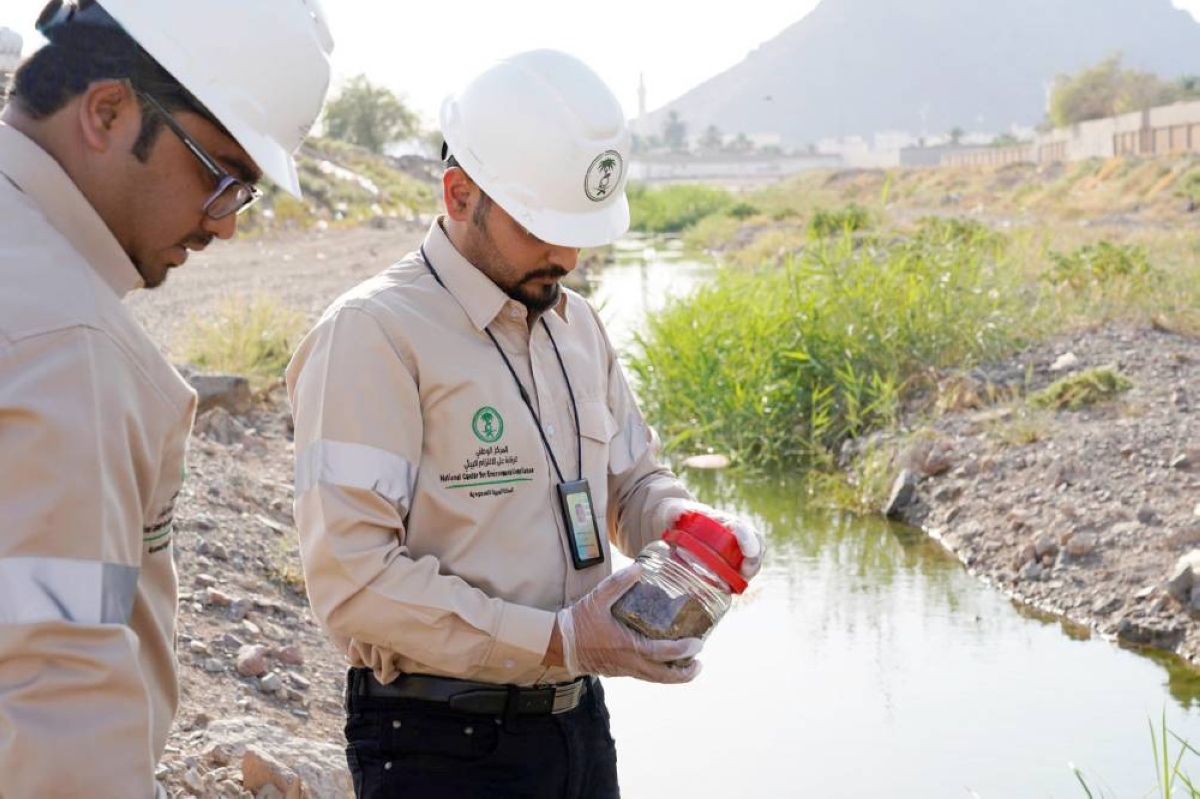
مراقب فني في المركز الوطني للرقابة على الالتزام البيئي. (واس)


تابع قناة عكاظ على الواتساب
إبراهيم العلوي (جدة) i_waleeed22@
The Ministry of Environment, Water, and Agriculture proposed updating the rules and procedures for the committees that review violations of the provisions of the system and its executive regulations.
The amendment includes imposing penalties on violators with one or more of the following penalties: a fine not exceeding 20 million riyals, suspension of the license or permit for a period not exceeding 6 months, revocation of the license or permit, and imposing a fine for each day the violator continues their violation after being notified of the decision.
The ministry also proposed doubling the penalty for the violator in the event of a repeated violation of the same nature within a year from the date of the previous penalty decision. Among the proposed amendments is a request for the competent court to rule on the confiscation of the seized items related to the violation.
The amendments addressed the regulations governing the work of the committees that review violations, impose penalties, and decide on objections and grievances. The committees have the authority to summon and hear the statements of anyone they deem relevant when reviewing a violation, and they may suffice with a written statement. They can request the attendance of any party involved in the violation and request any documents or evidence related to the violation. The committees apply the rules of Sharia litigation and the criminal procedure system in matters not specified in these rules, and in a manner that does not conflict with their competencies, powers, and nature of work. Evidence before the committees can be presented in all forms of proof that do not conflict with what is stipulated in the Evidence System. The violator may request the committee to grant them time to prepare their defense, and the committee must grant them sufficient time. If the violator or their representative does not attend the session after being notified of the session date, the session will be postponed, and another date will be set, which will be communicated to them or their representative. If they do not attend or their representative does not attend, or if they attend and then leave, the committees may proceed to consider the violation and issue a decision regarding it.
What if the violator refuses to speak?
The amendment emphasized that if the committees determine in a violation under consideration that there are other violators not included in the complaint or other facts related to the presented violation, they must refer the violation back to the competent authority to complete the relevant procedures. Upon completing the necessary procedures, the competent authority must inform the committee of what has been done.
If the violator denies committing the alleged violation, refuses to answer, or provides an unclear or irrelevant response, the committees must begin reviewing the evidence presented and take appropriate action regarding it. If reviewing the violation requires obtaining information from a government entity or other parties, the committees will send a letter to the relevant authority detailing the request, accompanied by copies of the relevant documents that need to be reviewed.
The committees decide on violations that do not exceed 5,000,000 riyals, while the minister or the chairman of the board of the competent authority approves the committees' decisions if the fine exceeds 5,000,000 riyals, especially if the committees' decisions include revocation of the license or permit.
The amendment includes imposing penalties on violators with one or more of the following penalties: a fine not exceeding 20 million riyals, suspension of the license or permit for a period not exceeding 6 months, revocation of the license or permit, and imposing a fine for each day the violator continues their violation after being notified of the decision.
The ministry also proposed doubling the penalty for the violator in the event of a repeated violation of the same nature within a year from the date of the previous penalty decision. Among the proposed amendments is a request for the competent court to rule on the confiscation of the seized items related to the violation.
The amendments addressed the regulations governing the work of the committees that review violations, impose penalties, and decide on objections and grievances. The committees have the authority to summon and hear the statements of anyone they deem relevant when reviewing a violation, and they may suffice with a written statement. They can request the attendance of any party involved in the violation and request any documents or evidence related to the violation. The committees apply the rules of Sharia litigation and the criminal procedure system in matters not specified in these rules, and in a manner that does not conflict with their competencies, powers, and nature of work. Evidence before the committees can be presented in all forms of proof that do not conflict with what is stipulated in the Evidence System. The violator may request the committee to grant them time to prepare their defense, and the committee must grant them sufficient time. If the violator or their representative does not attend the session after being notified of the session date, the session will be postponed, and another date will be set, which will be communicated to them or their representative. If they do not attend or their representative does not attend, or if they attend and then leave, the committees may proceed to consider the violation and issue a decision regarding it.
What if the violator refuses to speak?
The amendment emphasized that if the committees determine in a violation under consideration that there are other violators not included in the complaint or other facts related to the presented violation, they must refer the violation back to the competent authority to complete the relevant procedures. Upon completing the necessary procedures, the competent authority must inform the committee of what has been done.
If the violator denies committing the alleged violation, refuses to answer, or provides an unclear or irrelevant response, the committees must begin reviewing the evidence presented and take appropriate action regarding it. If reviewing the violation requires obtaining information from a government entity or other parties, the committees will send a letter to the relevant authority detailing the request, accompanied by copies of the relevant documents that need to be reviewed.
The committees decide on violations that do not exceed 5,000,000 riyals, while the minister or the chairman of the board of the competent authority approves the committees' decisions if the fine exceeds 5,000,000 riyals, especially if the committees' decisions include revocation of the license or permit.